Driving in the Portland metro area comes with challenges that catch even experienced drivers off guard. Between sudden weather changes, busy streets used by people walking and biking, and traffic that tests everyone’s patience, staying safe takes more than just knowing the basics.
These driving safety tips for the Portland metro area will help you navigate Multnomah County’s unique conditions with more confidence, whether you’re commuting daily or new to driving in Portland, Oregon. If you want to build on these habits, a free online driver safety course in Portland can take your awareness even further. Let’s look at what makes Portland driving unique and how you can handle it responsibly every day.
Key Takeaway: Reduce your speed and increase following distance in wet conditions. Stay alert for people walking and biking. Use headlights whenever your wipers are on, plan routes to avoid peak congestion, and drive smoothly through busy intersections.
Portland’s Traffic Landscape
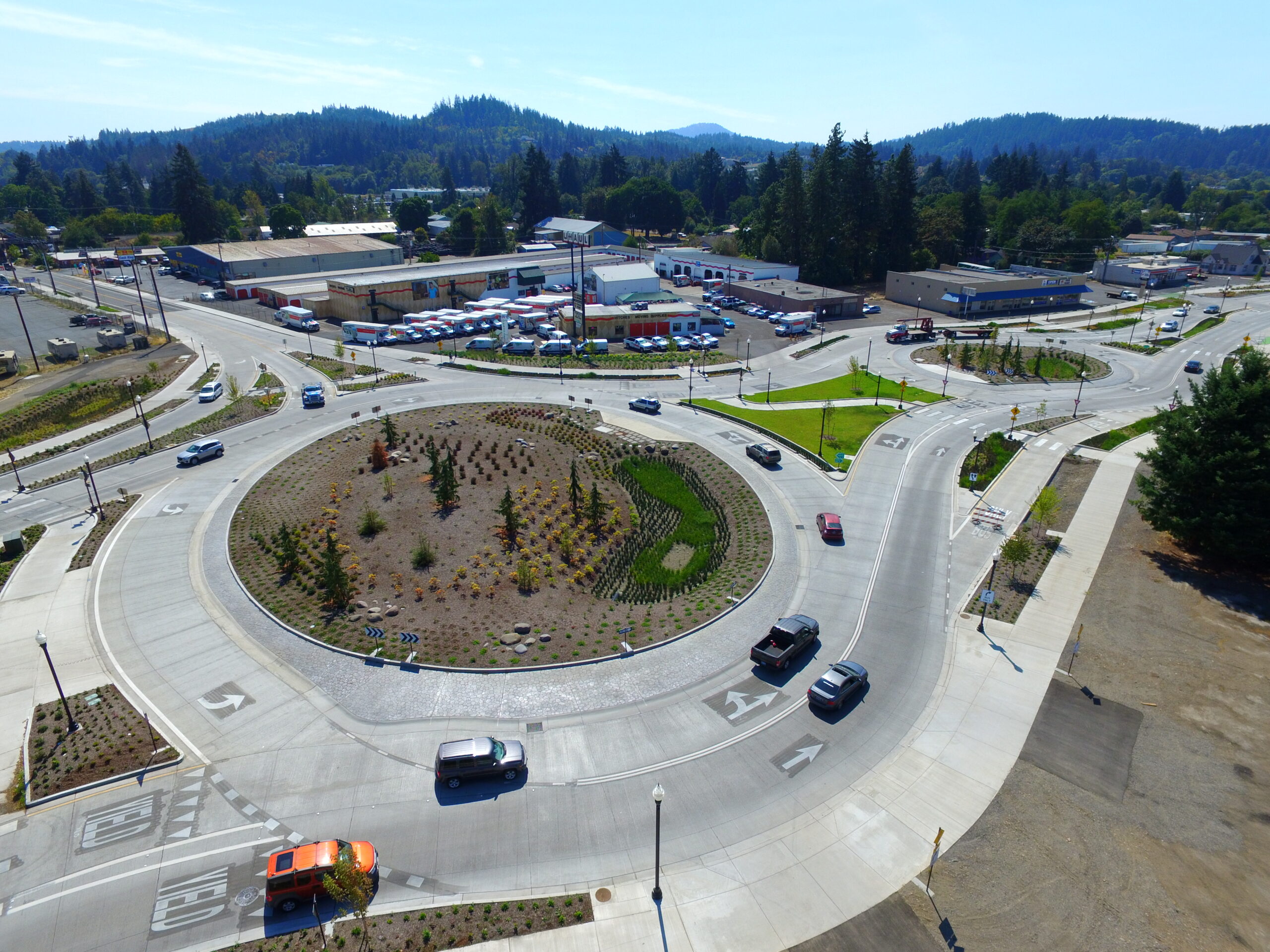
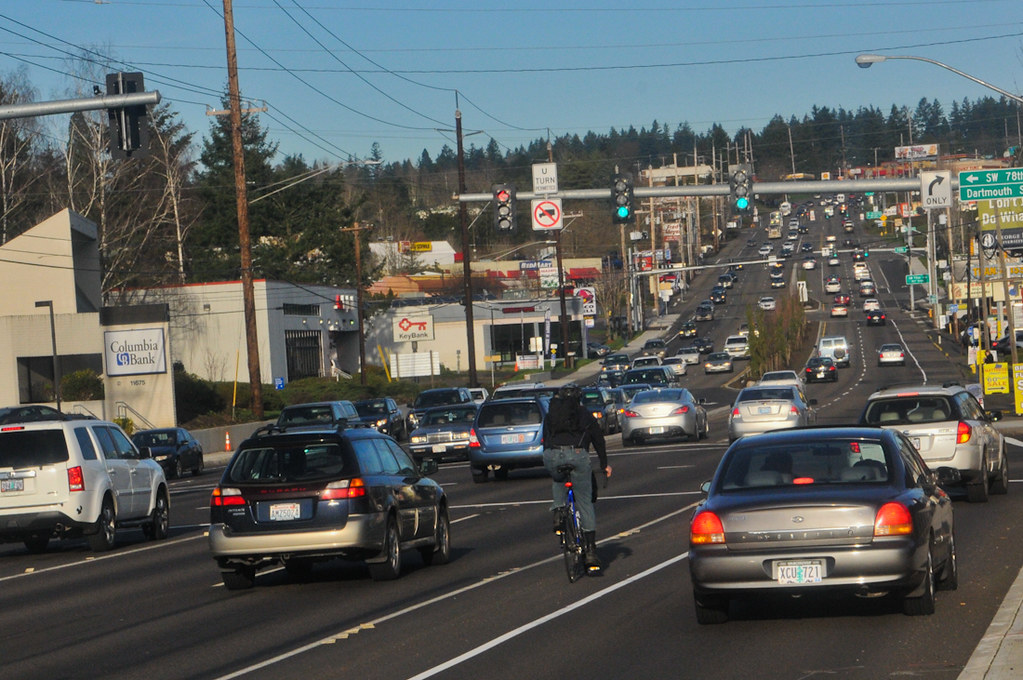
The Portland metro area presents a distinctive mix of conditions. Major highways like I-5, I-205, and Highways 26 and 217 carry heavy commuter and freight traffic. Narrow neighborhood streets wind between historic houses, and bike lanes thread through downtown corridors. This variety requires drivers to stay alert and adapt to changing conditions.
Certain stretches, including areas near the Rose Quarter and Interstate Bridge, see consistently higher traffic volumes. These areas demand extra attention during rush hour, when stop-and-go conditions test focus.
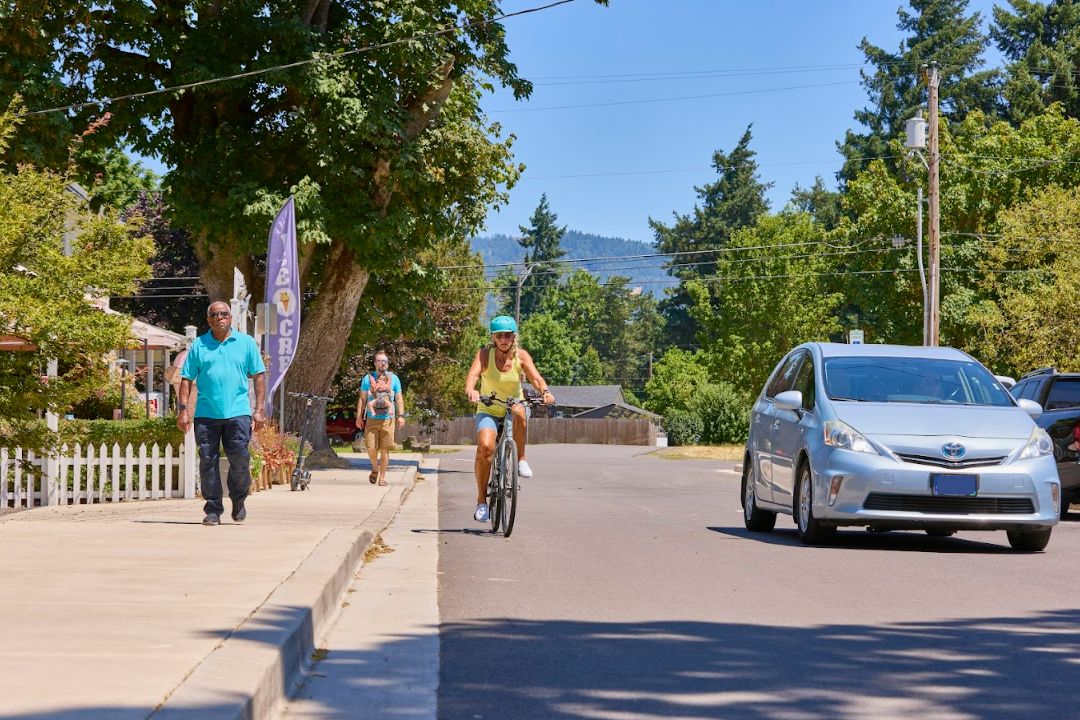
Portland’s strong investment in active transportation has created an extensive network of bike lanes and walking paths throughout the city, along with a growing number of people using e-scooters, e-bikes, e-skateboards, one-wheeled devices, and more downtown. These greenways support safer streets, but they require drivers to stay alert for quick movements, especially near intersections.
Key Crash-Prone Areas to Watch
Some parts of Portland, particularly those with heavy traffic and complex layouts, deserve extra attention. East Portland is one area people who regularly drive here know well, with high vehicle volumes, frequent crossings, and multiple turning lanes that require quick, careful decisions.
Reducing your speed before these intersections gives you more time to react to the unexpected. Many serious crashes happen after dark or during low-visibility hours, so using your headlights early and watching for people who may be harder to see is essential. Complex signal timing at multi-phase intersections can also be confusing for drivers unfamiliar with the layout, so resist the urge to edge forward before it’s your turn. Most crashes in these areas happen not because someone broke a law outright, but because of a rushed or misjudged decision under pressure.
Following Road Rules and Signals
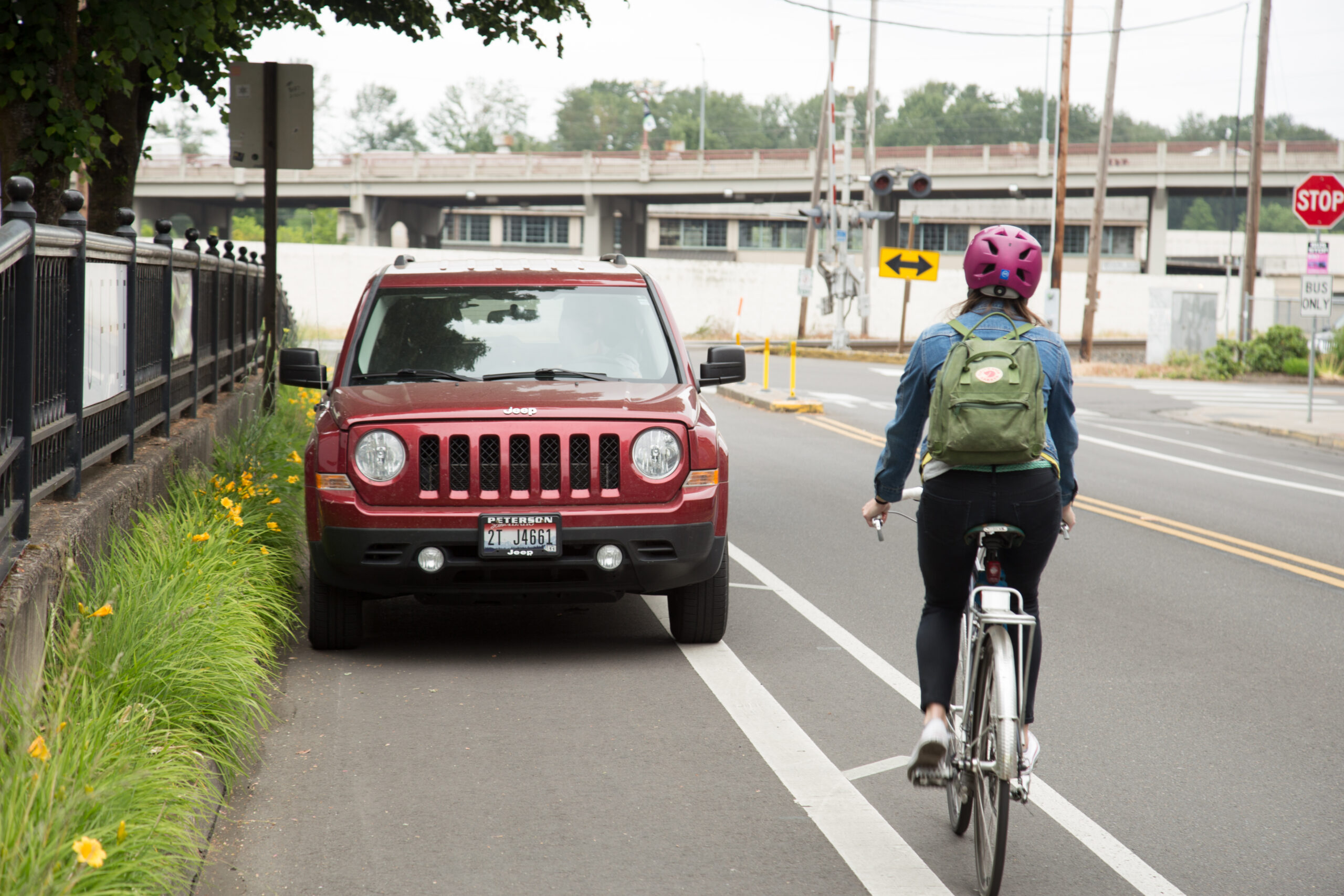
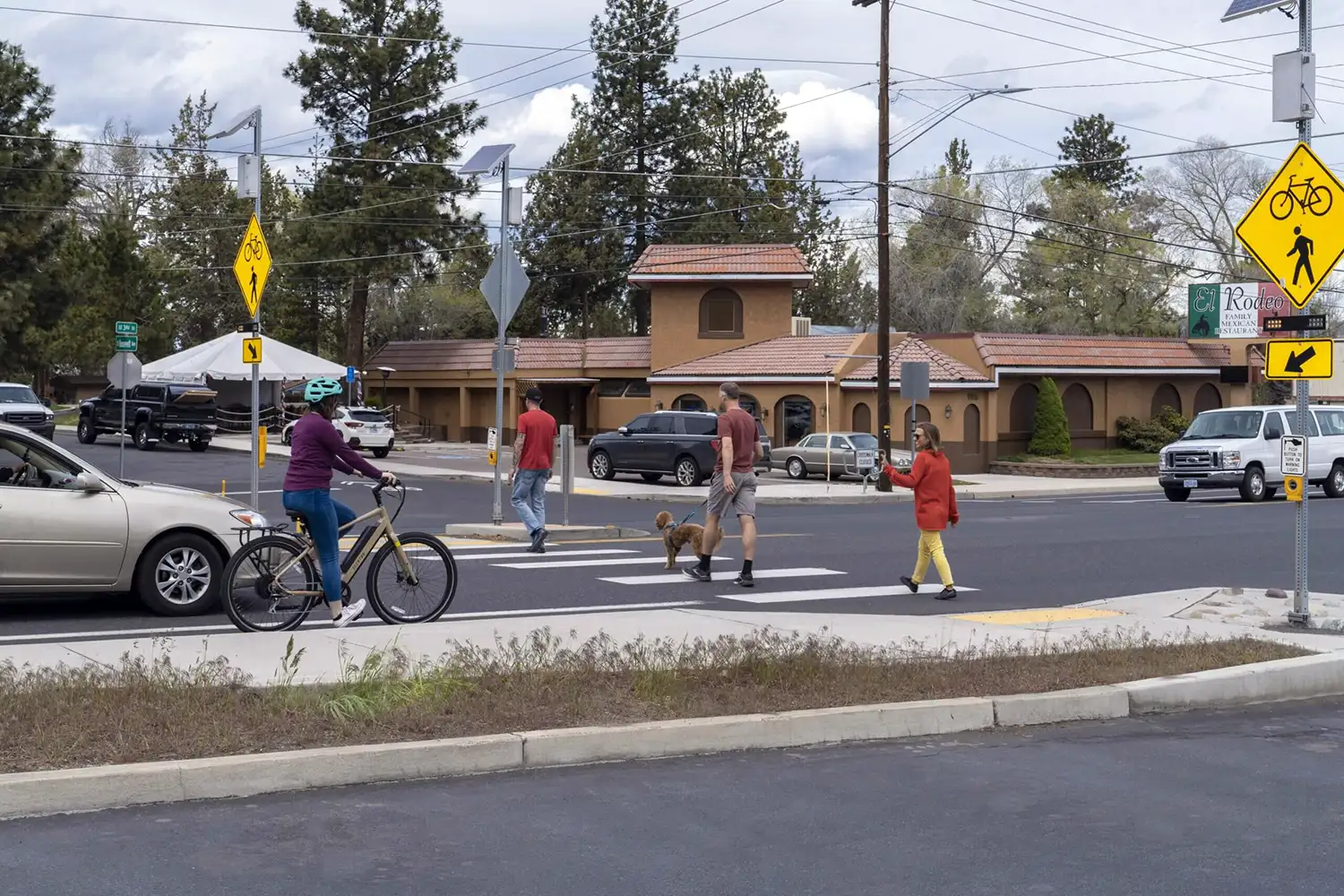
Every stop sign, signal, and lane marking in Portland exists to regulate traffic flow and protect vulnerable road users like people walking and biking. Consistently obeying signals, yielding to people in marked crosswalks, and coming to a complete stop at stop signs, even when the intersection looks clear, are some of the simplest habits that prevent serious crashes.
A few habits make a real difference:
- Yield to people waiting or crossing at marked crosswalks, especially near schools and busy downtown areas
- Respect bike lanes; never park, drive through, or turn across them unless explicitly allowed
- Follow posted speed limits, and slow further in school zones during active hours
- Always signal before changing lanes or turning
- Come to a complete stop at every stop sign
Building these habits into your daily driving improves your reaction time and makes traffic more predictable for everyone around you, including the people most exposed on Portland’s streets.
Protecting People Walking in Portland
Portland’s walkable neighborhoods mean drivers need to stay alert to foot traffic at all times, not just at marked crossings. Many serious crashes involving people walking happen at intersections without signals or designated crosswalks, so always yield at marked crosswalks, but stay prepared for people crossing mid-block too, particularly downtown, where foot traffic is heaviest.
Reducing your speed near likely crossing points, schools, parks, and residential streets gives you more time to stop safely if someone steps into the road. Low-light and rainy conditions make this even more important. Oregon’s “wipers on, lights on” law exists for exactly this reason, and turning on your headlights helps people see you as clearly as you see them.
If you want to learn more about who these laws are designed to protect, this breakdown of vulnerable road users in Oregon is a good place to start.
Navigating Traffic with Public Transportation
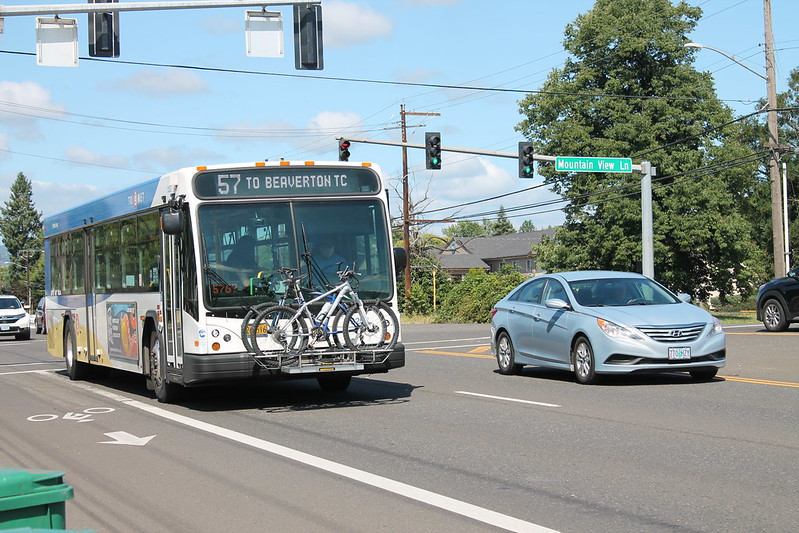
Buses, streetcars, and MAX Light Rail trains are part of daily driving in Portland, Oregon, and they often operate under different rules to keep transit moving safely.
Give buses priority when they merge back into traffic from a stop, especially in dedicated bus lanes; because buses are heavy and need more distance to accelerate or brake, expecting them to weave through traffic creates unnecessary risk. In dedicated transit corridors, like the downtown Transit Mall, stay attentive to transit-specific signals, remain in your designated lane, and watch closely for people crossing mid-block near stops and stations.
A little patience and extra space go a long way. A driver who anticipates buses pulling out or trains crossing intersections is far less likely to be caught off guard.
Driving Through Portland’s Seasons
Portland’s weather shifts throughout the year, and each season asks something different of drivers.
Winter: Watch for Black Ice
Winter brings the risk of black ice, especially on bridges and shaded curves, where slick spots can appear with little warning. Well-maintained tires with adequate tread and snow tires or chains for mountain routes make a meaningful difference when conditions turn icy.
Rainy Season: Slow Down and Give More Space
Rain is a near-constant presence in Portland between fall and spring, and wet roads reduce tire traction and extend stopping distances. Slowing down and increasing your following distance (aim for about four seconds instead of two) gives you more room to react if traffic ahead stops suddenly. Regular tire maintenance, checking tread depth and tire pressure, helps guard against hydroplaning during the wettest months.
Summer and Fall: Tourists, Bikes, and Fallen Leaves
Summer and fall bring their own hazards: heavier tourist traffic and more people biking in warmer months and wet fallen leaves that reduce traction in autumn. Adjusting your speed and staying alert to changing road surfaces year-round is one of the simplest ways to stay safe no matter the season.
Everyday Safety Habits for Portland Drivers
A few consistent habits go a long way toward safer trips across the Portland metro area:
- Buckle up, and make sure every passenger does too
- Set your GPS and music before you start driving. Even hands-free options are risky behind the wheel; your phone can wait, and it isn’t worth the risk of a fatal crash
- Keep at least a three-second following distance, more in wet conditions
- Reduce speed by 5-10 mph when roads are wet
- Use smooth, gradual steering and braking, especially on rain-slicked streets
- Turn on headlights whenever your wipers are on, and use low beams to avoid glare
- Keep tires properly inflated with good tread, and rotate them regularly
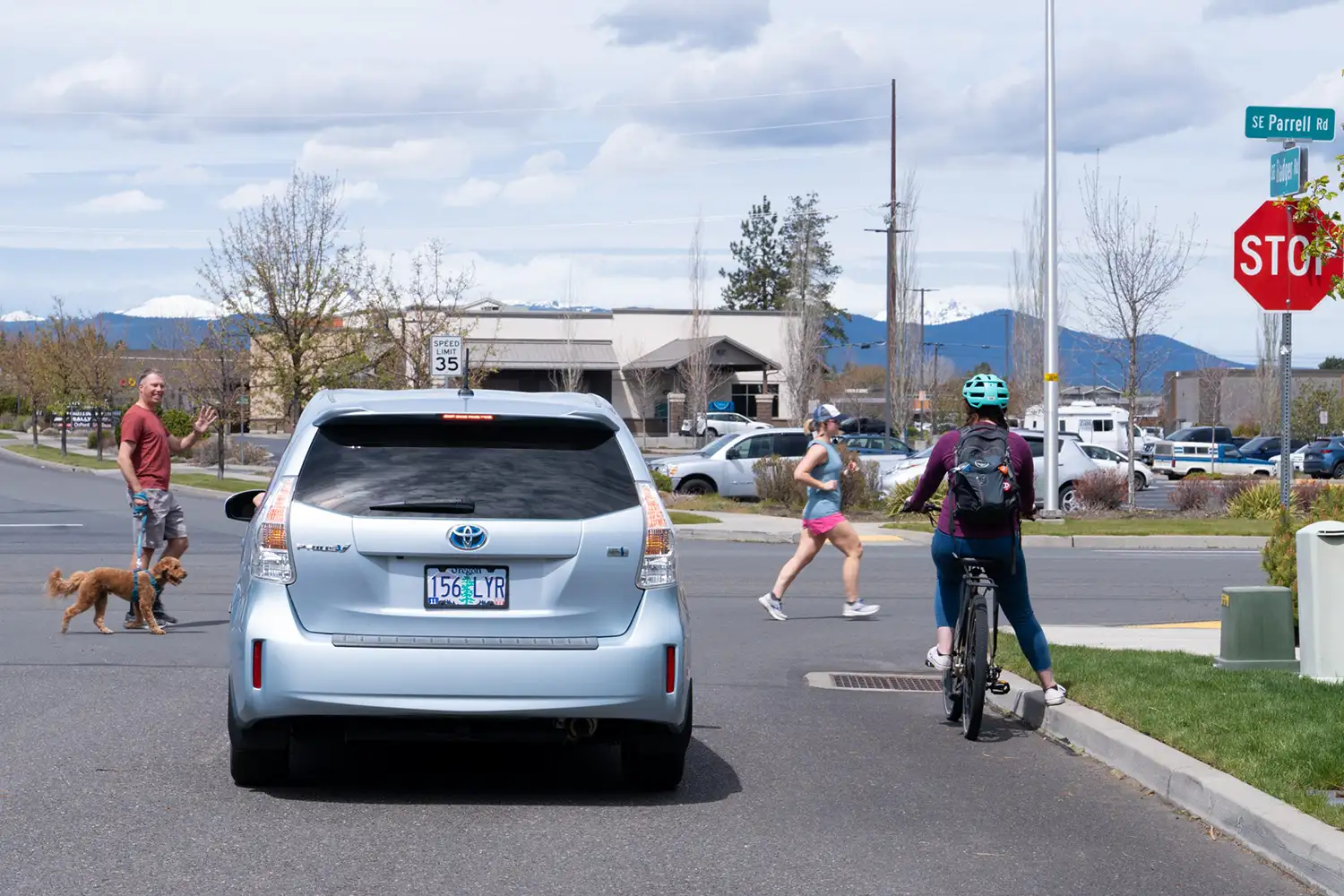
- Stay especially alert for people walking, biking, and using e-scooters, e-bikes, e-skateboards, one-wheeled devices, and more in urban areas
Oregon’s road infrastructure continues to evolve alongside these habits, so staying current on what’s changed near you is worth the occasional check-in. If e-scooters and similar devices are new to your commute, this guide to navigating around them safely is worth a look too.
Drive Portland’s Roads with More Confidence
These tips can help you avoid common mistakes, but building lasting awareness takes more than a checklist.
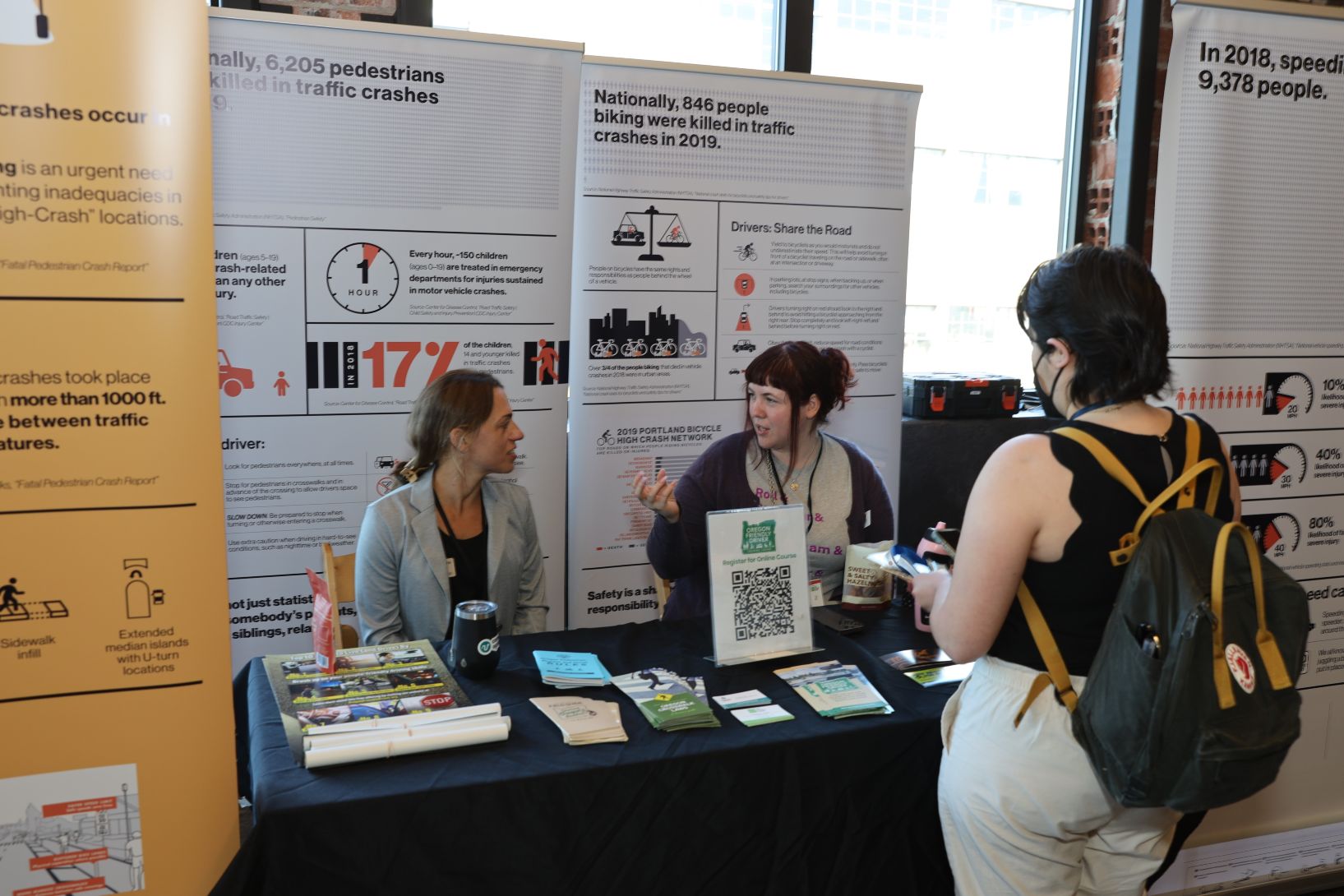
The Oregon Friendly Driver course offers free training that goes beyond these basics in about 75 minutes online. It helps people who drive throughout Portland and across the entire state of Oregon navigate safely around people walking, biking, and rolling. Completing the course may also qualify you for insurance discounts once verified through your provider.
Whether you’re a daily commuter, a parent or caregiver teaching a new driver, or a business owner managing a team on the road, the OFD course gives you practical, Oregon-specific knowledge you can use immediately.
Enroll now in the OFD course to complete free, self-paced training online. Prefer group learning? Schedule a training for your workplace or organization anywhere in Oregon.