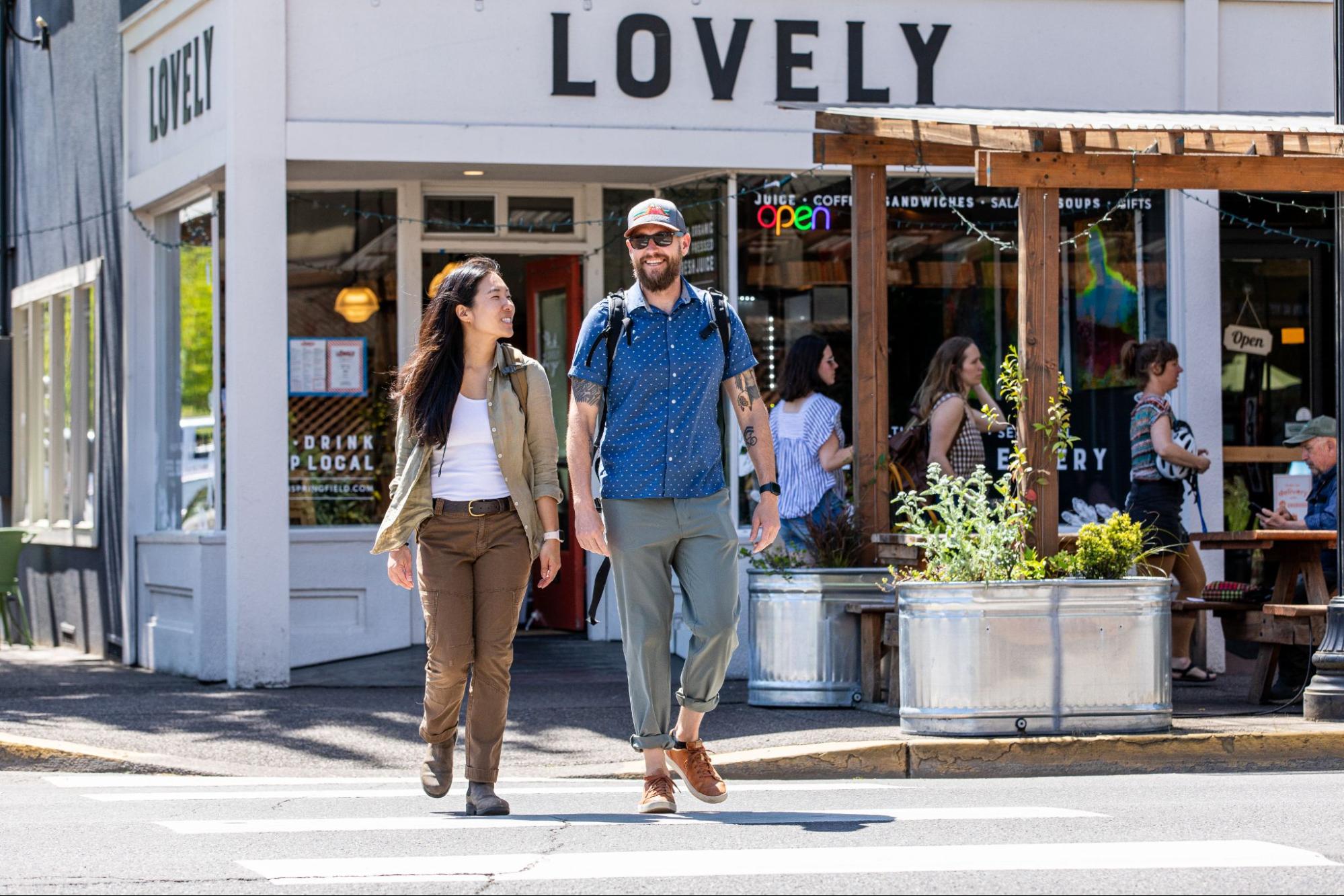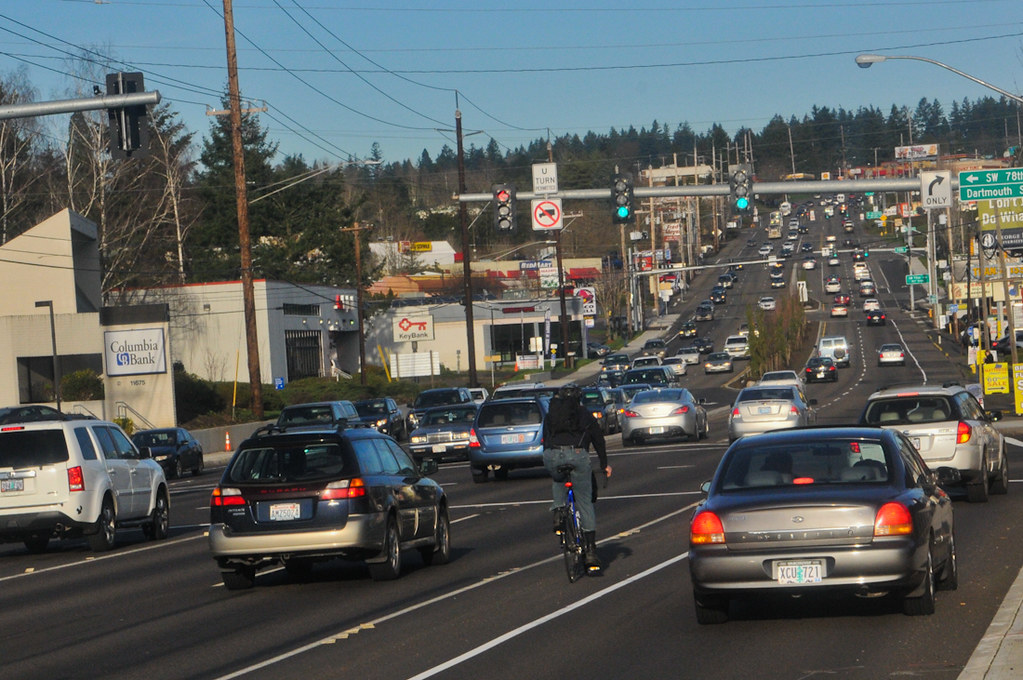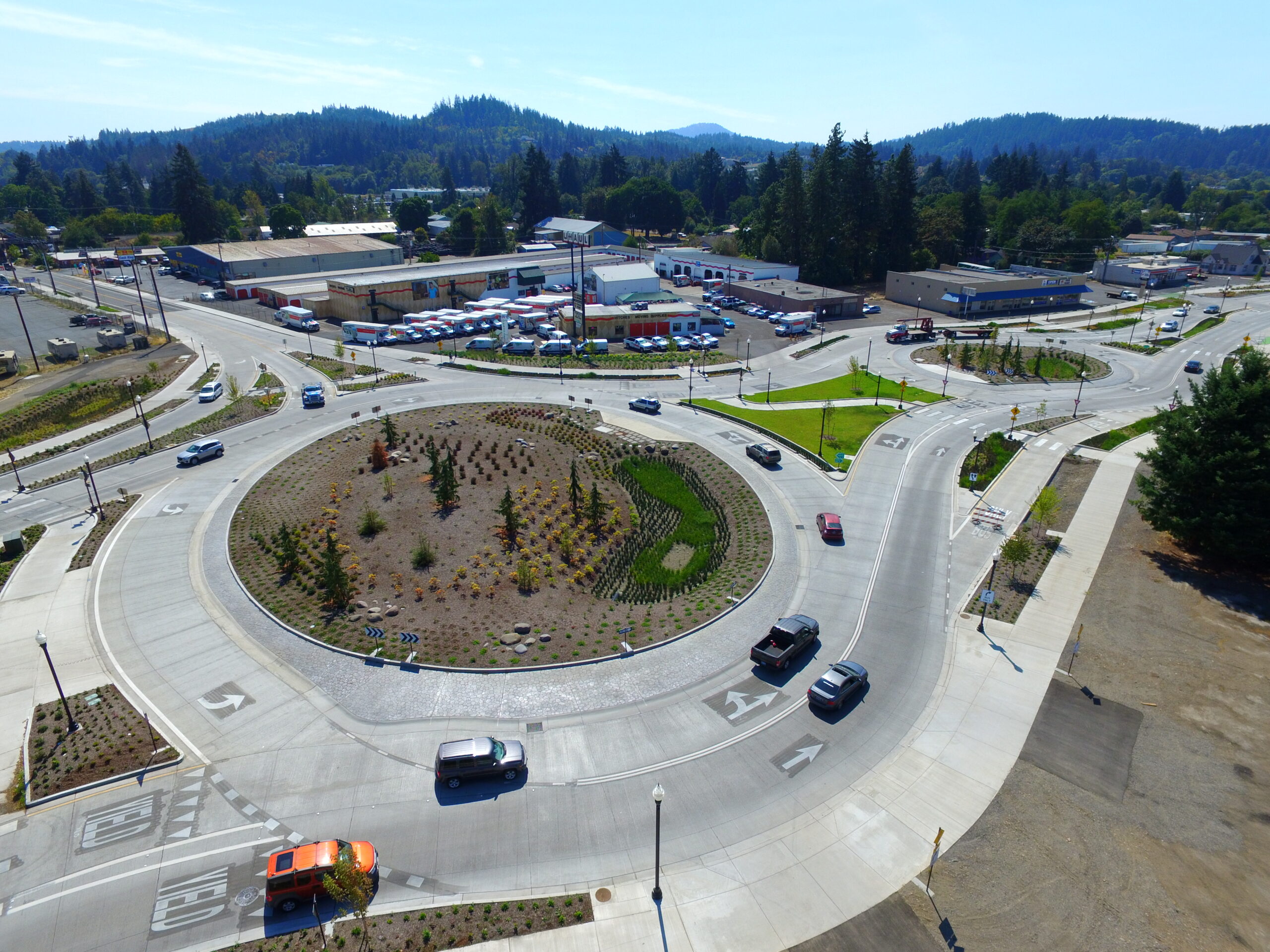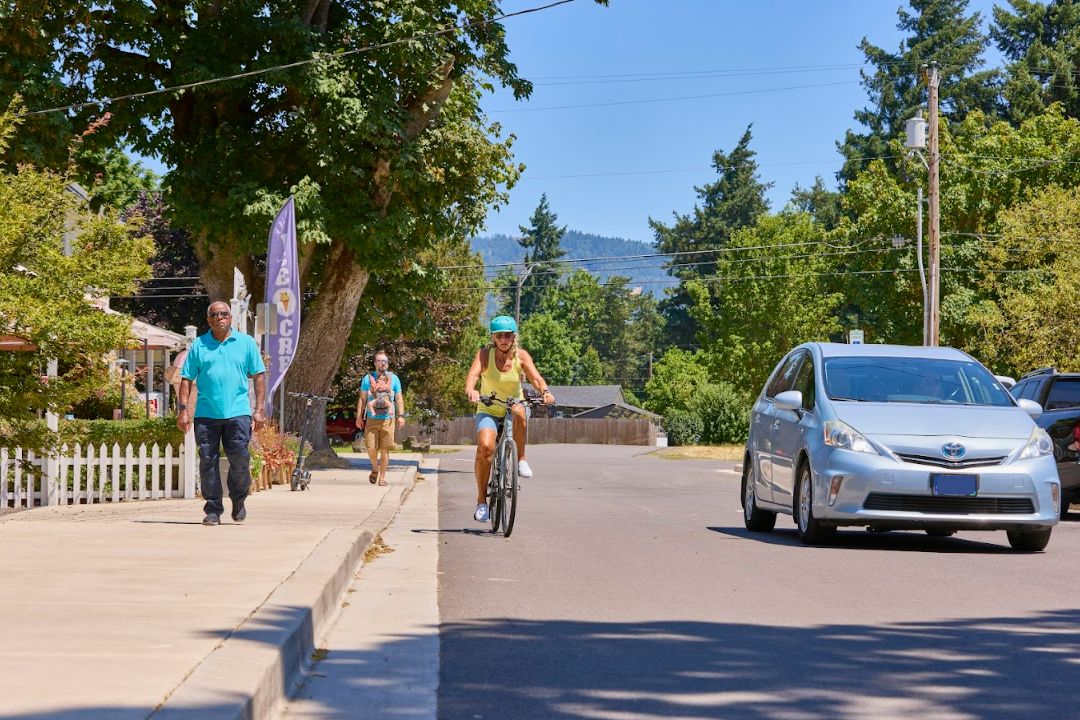
Driving safely in Oregon is more than following rules. It is about understanding the people who share every road, trail crossing, and intersection alongside you. From busy Portland Metro streets to mountain highways in Klamath Falls, every community deserves roads where people walking, biking, rolling, and driving feel protected and respected.
Dedicated community-based Oregon transportation advocates in promoting safe driving play a vital role in making that vision a reality. They educate drivers, shape smarter policies, and build partnerships that turn good intentions into measurable outcomes. One of the most powerful tools in their toolkit is the Oregon Friendly Driver course, a free, ODOT-funded resource that equips drivers across the state with the skills and awareness to navigate Oregon roads with courtesy, compassion, and confidence.
What Transportation Advocates Do in Oregon
Transportation advocates serve as the bridge between public safety concerns and policy-making. Their work focuses on educating communities about the vulnerabilities that people walking, biking, rolling, and using micro-mobility devices face daily, including e-scooters, e-bikes, e-skateboards, one-wheeled devices, and more.
This is no small effort. Oregon ranked eighth nationally for traffic fatalities in 2024, with over 500 lives lost. Vulnerable road users accounted for 485 traffic fatalities in 2025 alone. That context gives transportation advocates both a clear mission and a compelling reason to act.
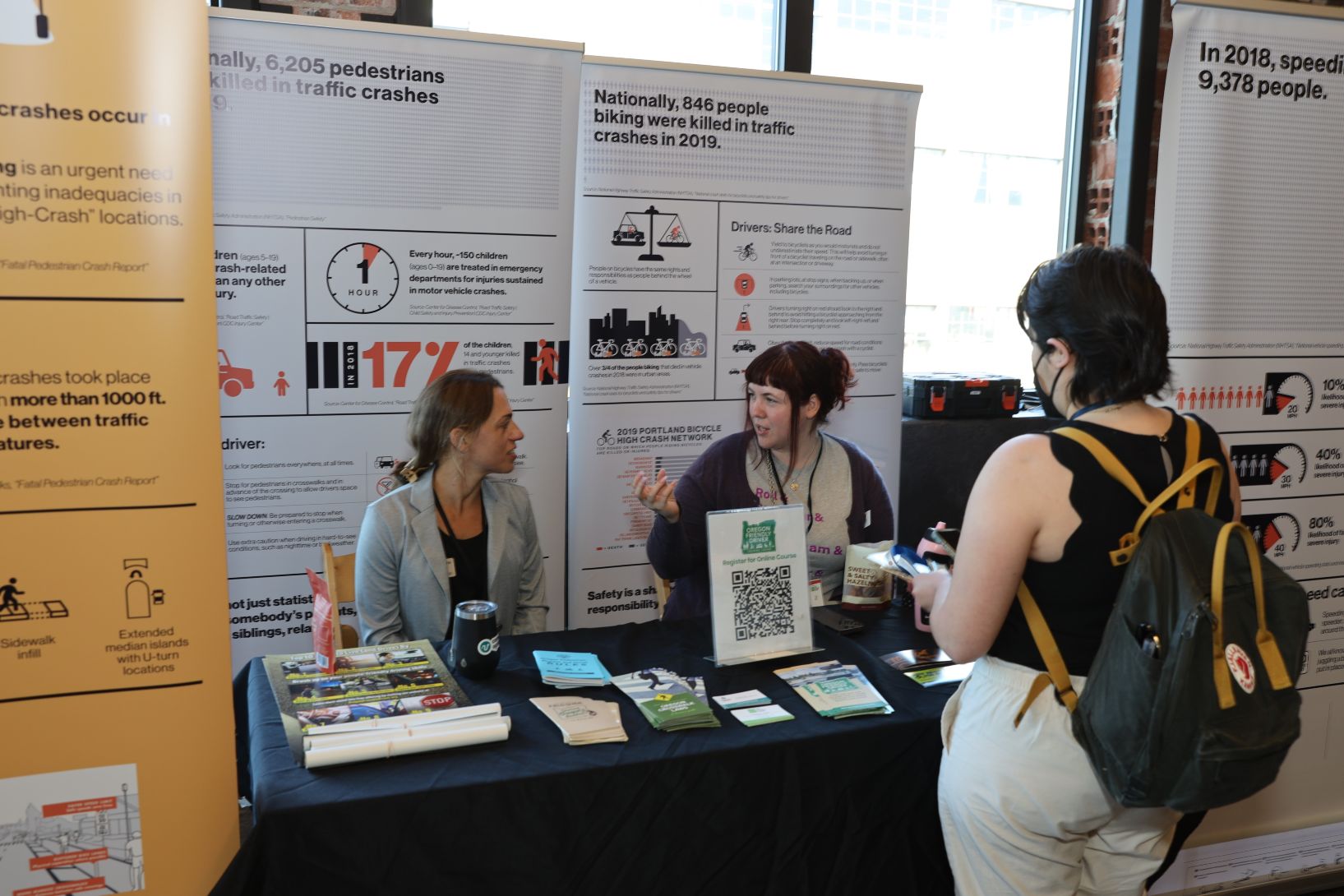
By training advocates as trainers themselves, the movement creates a multiplier effect. Each advocate spreads safety awareness into neighborhoods, workplaces, and schools statewide, strengthening community resilience in ways that no single campaign or policy could accomplish alone.
Education alone, however, cannot fully shift the landscape. Advocacy groups also shape the transportation policies that determine how Oregon roads are designed, regulated, and funded.
Shaping Policies and Laws
Transportation advocates work closely with legislators to improve Oregon traffic laws. They provide research, real-world crash data, and expert testimony that demonstrate why certain regulations must be adopted or strengthened.
Key areas of advocacy include:
- Road usage charges: As electric and hybrid vehicles reduce gas tax revenue, advocates have championed a fair per-mile charging system proposed to launch in 2027, sustaining funding for road maintenance and safety projects statewide.
- Micro-mobility regulations: Updated vehicle codes now clarify age restrictions and safety requirements for e-bike and micro-mobility riders, reducing confusion and strengthening legal protections for everyone on the road.
- Equitable resource allocation: Advocates push for high-risk corridors in underserved communities to receive the investment and attention they need most.
When laws explicitly define responsibilities, it becomes easier to determine accountability following a crash, benefiting those affected and encouraging all road users to uphold shared safety standards. As legislation continues to evolve, driver education remains one of the most effective ways to reinforce these changes at the community level.
Public Campaigns That Change Behavior
Public awareness campaigns are where safe driving principles meet real-world habits. Oregon advocates focus on themes tailored to local needs, including motorcycle visibility, speed reduction near schools, and building respect for people walking, biking, and rolling on Oregon roads.
Notable campaigns include:
- “Look Twice, Save a Life” addresses the elevated crash risk motorcyclists face due to lower visibility. It encourages drivers to develop a consistent habit of heightened awareness.
- “Slow Down, Save Lives” focuses on school zones, where speeding can have devastating consequences. Advocates partner with schools, parents, caregivers, and local enforcement to reinforce that every mile per hour matters when children, bike buses, and students walking are nearby.
These campaigns work because they embed safety into everyday life through practical workshops, interactive Q&A sessions, and accessible community resources. They build the cultural foundation that structured driver education deepens and sustains.
Driver Education as the Backbone of Safer Roads
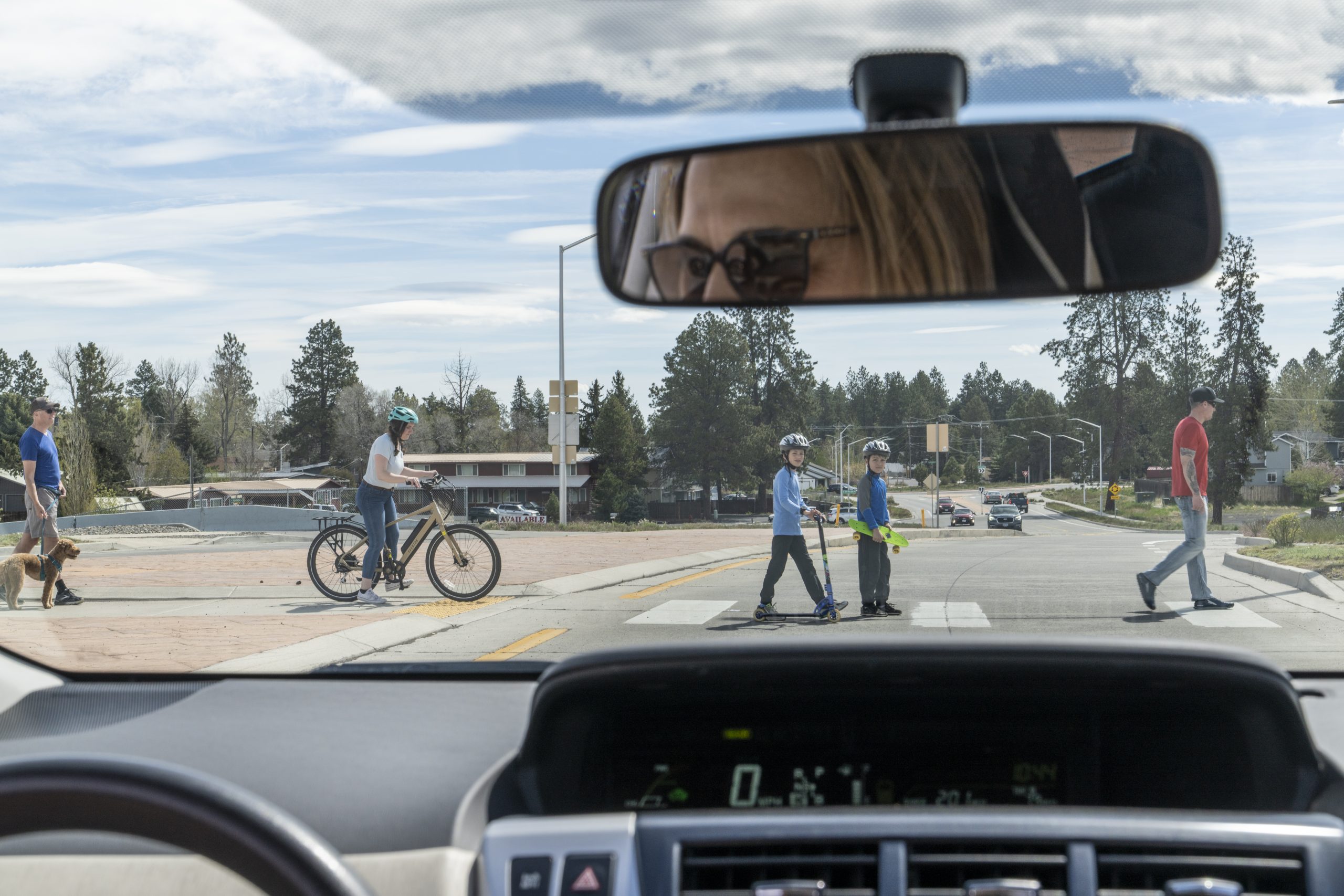
Structured driver education gives everyday drivers the practical skills and legal awareness they need to navigate complex traffic environments safely.
The OFD course covers:
- Defensive driving techniques for anticipating and avoiding crashes
- Awareness of people walking, biking, rolling, and using micro-mobility devices
- Key traffic laws and road infrastructure specific to Oregon
The online course is completable in approximately 75 minutes. In-person classes run 60 to 90 minutes. Both formats deliver an identical curriculum and certification upon completion.
Drivers who complete the course consistently report greater confidence and awareness on the road. That translates to safer families, reduced property damage, and greater peace of mind for everyone in Oregon communities.
For transportation advocates, recommending the OFD course is one of the most direct contributions they can make. It connects the people they serve with a free, credible, ODOT-funded resource that produces real, measurable results. That impact is felt most in communities facing the greatest barriers to safety.
Addressing Traffic Safety Disparities Across Oregon
Traffic safety is not experienced equally across Oregon. Black, Indigenous, and People of Color (BIPOC), low-income families, and people with disabilities face disproportionately high crash rates rooted in systemic inequities.
Historically underfunded neighborhoods often lack:
- Safe crosswalks and adequate lighting
- Traffic-calming infrastructure
- Accessible driver education resources
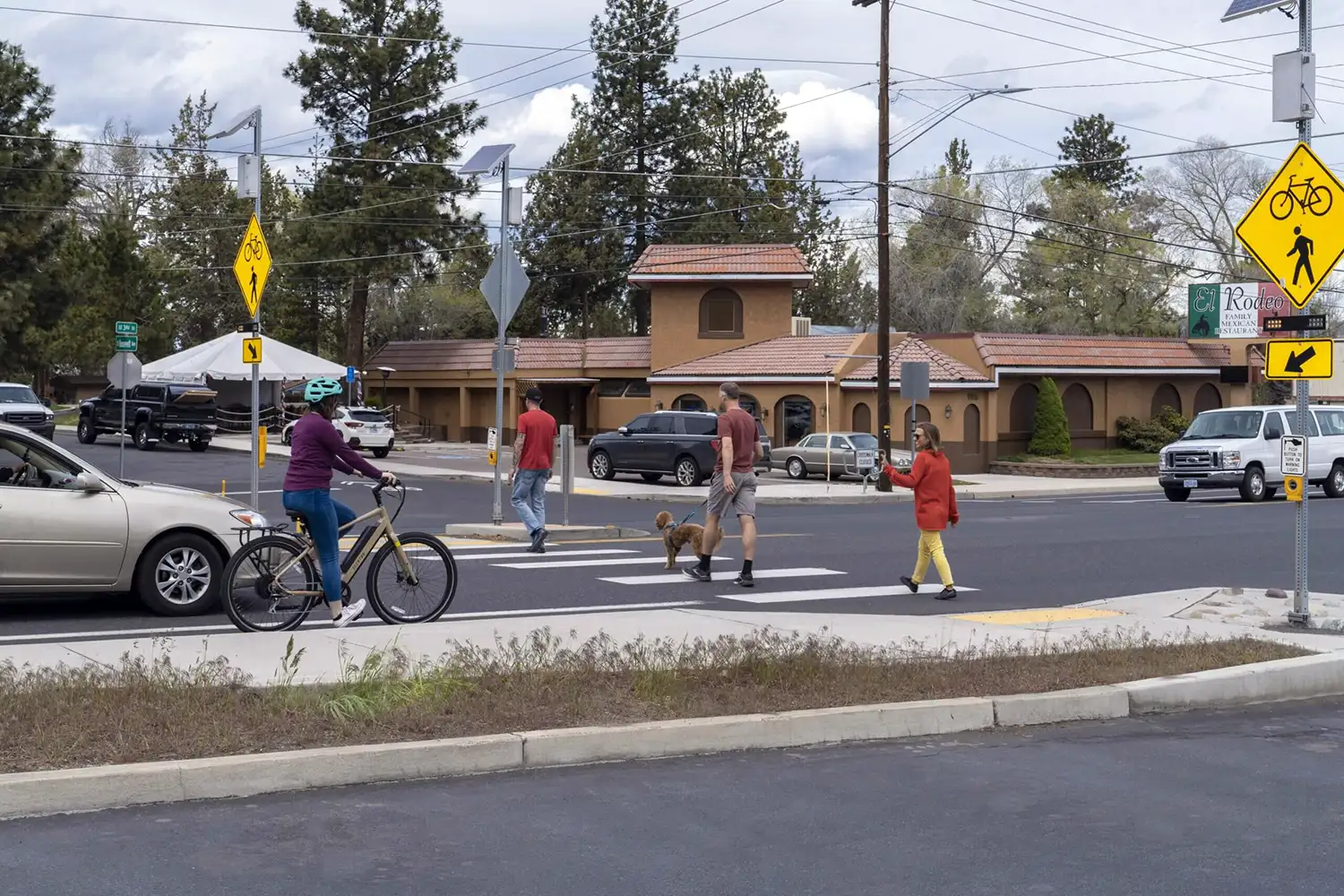
The solution requires thoughtful urban planning, community awareness, and education. Programs like Safe Streets for All combine infrastructure improvements, such as flashing beacons and curb extensions, with free neighborhood-based safety workshops. Communities that have implemented these combined approaches have reported meaningful reductions in crashes involving people on foot, demonstrating that infrastructure and education work best together.
Access for all is a core value of the Oregon Friendly Driver course. Available statewide through live webinars, in-person classes, and a self-paced online course, the OFD course is built to reach every Oregonian regardless of income, location, or background. When driver education is truly accessible, the entire state becomes safer and more equitable.
The Power of Collaboration
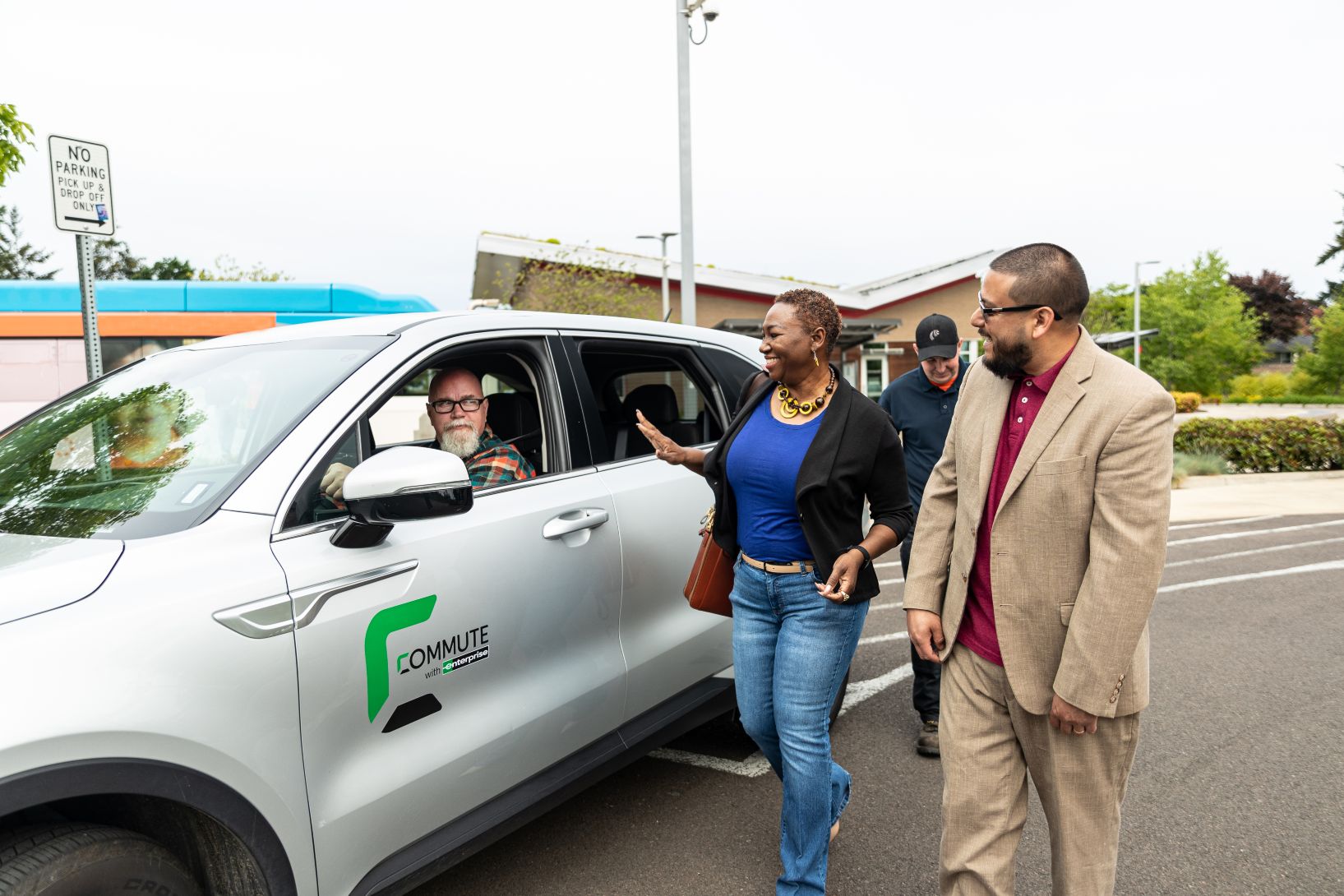
Partnerships between advocacy groups and agencies like ODOT are foundational to road safety statewide. Advocates bring grassroots insight and community expertise. Government bodies provide data, funding, and regulatory authority. Together, they identify problems, design targeted solutions, and deploy resources across Oregon’s unique communities and traffic patterns.
These collaborations produce concrete results:
- Shared crash data pinpoints dangerous intersections and high-risk corridors
- Community feedback shapes crosswalk enhancements, lighting upgrades, and lane redesigns
- Grants like Safe Routes to School fund infrastructure improvements in communities that need them most
Preserving these partnerships remains essential. Ongoing collaboration protects critical services like highway maintenance and safety operations that directly support safer driving environments across Oregon.
Champion Safer Roads Across Oregon: Advocate, Educate, and Drive Change
Oregon’s transportation advocates are on the front lines of one of the most important safety efforts in the state. By promoting driver education, championing equitable policies, and building lasting community partnerships, they are helping reduce traffic crashes and create roads that work for every person who uses them.
The Oregon Friendly Driver course is free, ODOT-funded, and available statewide. Getting started is simple.
- Enroll Now in the OFD Course: Complete your free certification online in approximately 75 minutes.
- Sign Up for a Group Training Session: Schedule a free in-person or virtual training for your organization, fleet, or community group.
Together, we can build safer, more people-centered roadways for every Oregonian across the state, including:
- Eugene and Springfield in Lane County
- Salem and Jefferson in Marion County
- Medford and Jacksonville in Jackson County
- Roseburg in Douglas County
- Bend in Deschutes County
- Klamath Falls in Klamath County
- Corvallis in Benton County
- Portland Metro in Multnomah County
The road to change starts here.