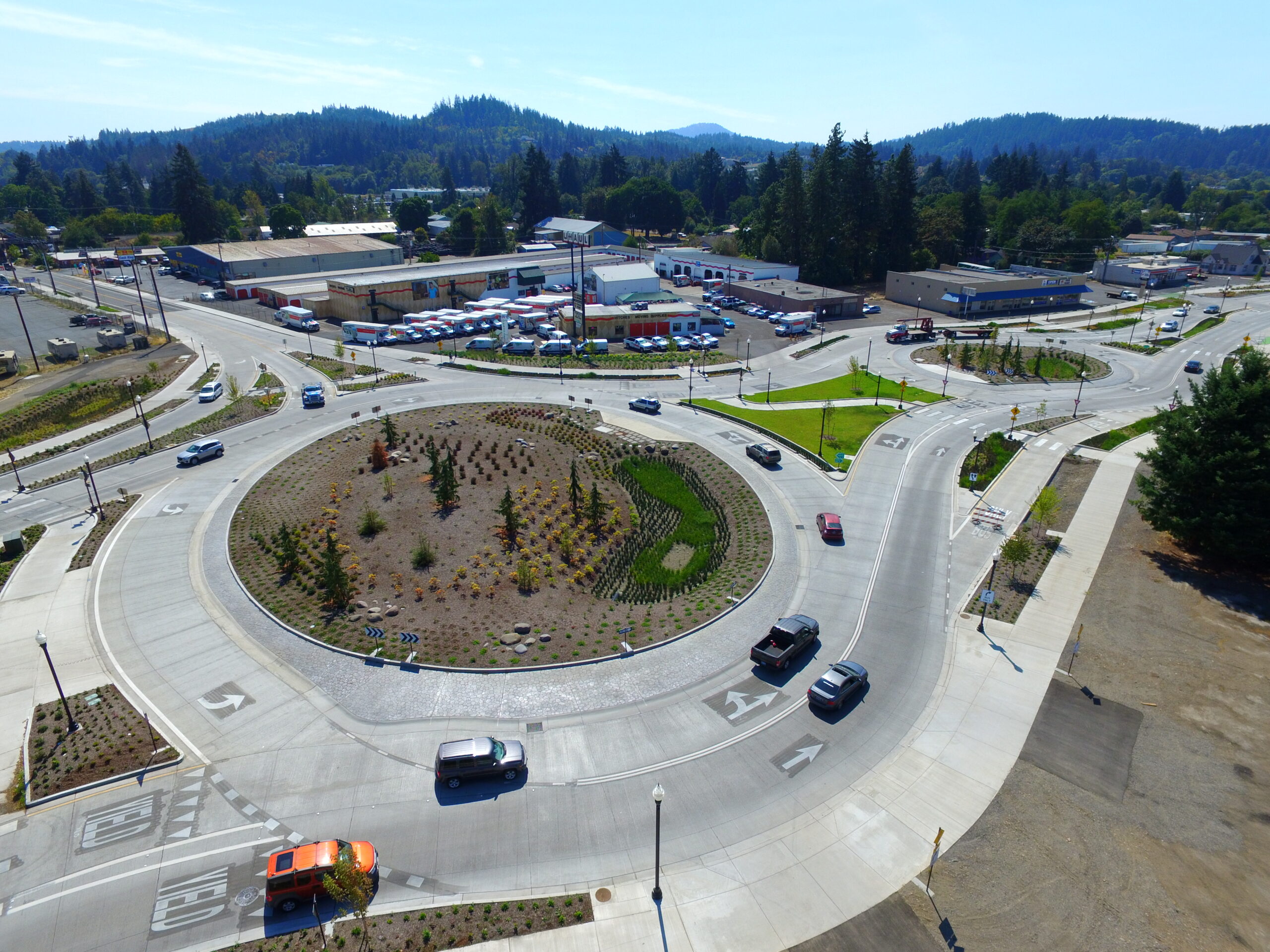
Driving can feel like a huge challenge when you’re not sure what to expect or don’t trust yourself behind the wheel. It’s normal to feel nervous, especially with other vehicles, confusing signage, and unexpected situations on the road, including the people walking, biking, and rolling you’ll encounter along the way.
But confidence isn’t something you either have or don’t; it’s something you build step by step. In this article, we’ll walk through practical tips to build self-confidence behind the wheel so those early worries can turn into steady skill and calm, aware driving.
Building driving confidence involves consistent practice in varied conditions, guidance from an experienced driver, and honest awareness of the other people navigating Oregon’s roads alongside you. Refresher training, like the free Oregon Friendly Driver course, can also reinforce these habits and help you feel more prepared behind the wheel.
1. Recognize the Sources of Your Fear
Driving anxiety doesn’t come from nowhere. It often traces back to specific experiences or concerns that weigh on your mind.
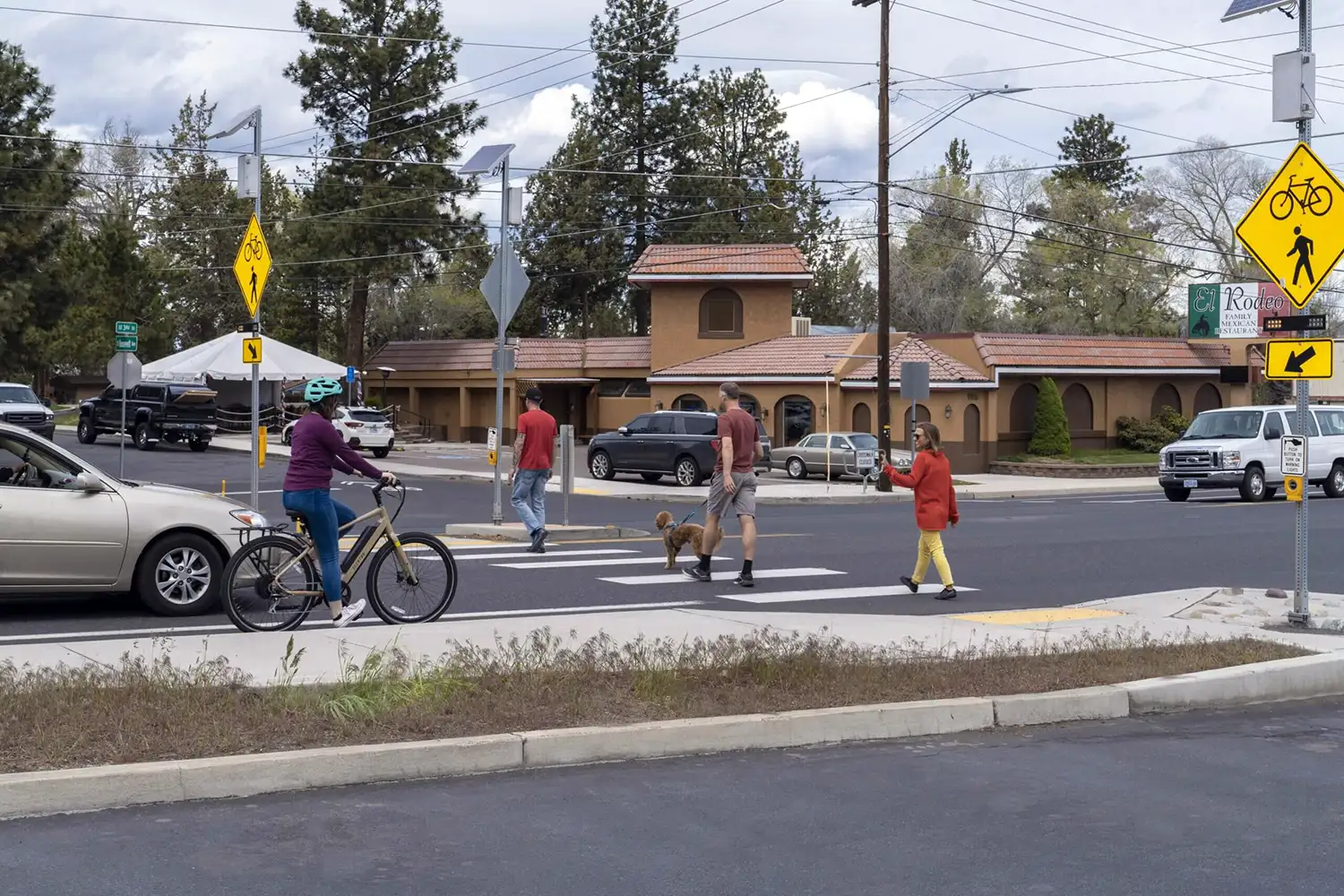
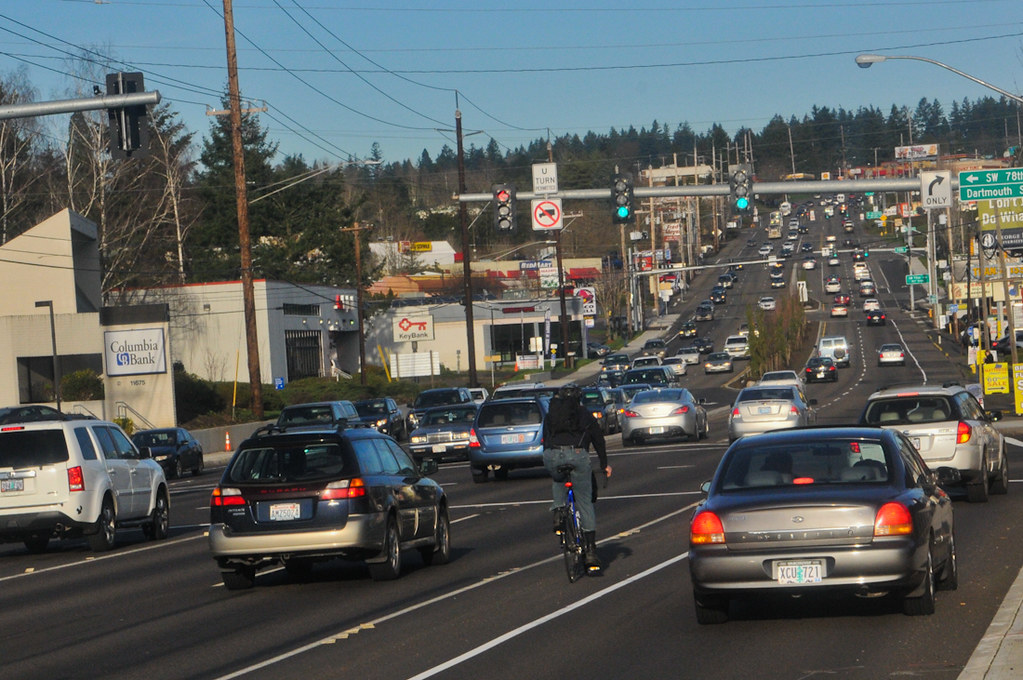
For some, it’s a vivid memory of a past crash or near-miss that resurfaces at a busy intersection. Others feel overwhelmed by heavy traffic, worried about making the wrong decision while merging or navigating multiple lanes. Then there are drivers who feel unsettled navigating around people walking, biking, or rolling nearby, unsure of the right of way or how much space to give.
A common thread here is the feeling of losing control, which naturally makes anyone apprehensive. What matters is identifying exactly which situations trigger these feelings for you personally, whether that’s night driving, left turns, or navigating around people on bikes.
You can start by reflecting calmly on the moments when driving feels most intimidating. Journaling these experiences, or talking them through with an experienced driver, can help you understand your fears instead of just reacting to them.
Once you’ve named what shakes your confidence, you’re ready to build the specific skills that address it.
2. Practice in Low-Stress Environments
Nothing builds comfort behind the wheel like starting where the stakes are low. Empty parking lots and quiet residential streets are ideal spaces to build foundational skills without the pressure of fast-moving traffic. With that pressure removed, your focus sharpens, and each turn of the wheel becomes a chance to learn rather than a moment of stress.
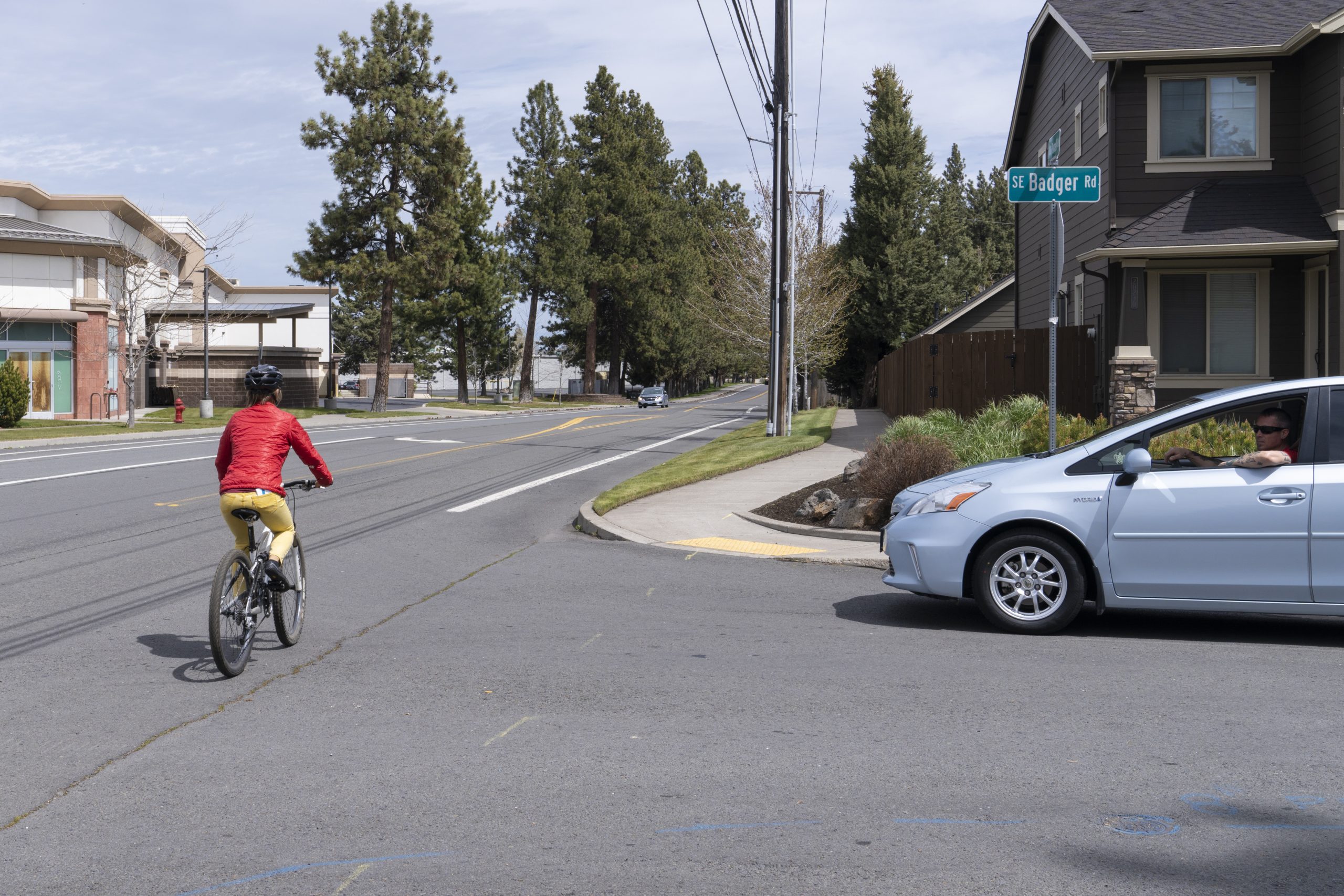
A simple practice session might look like this:
Time | Activity | Description |
10 minutes | Warm-up | Practice driving straight lines and gentle turns to get a feel for the vehicle. |
15 minutes | Parking Practice | Try different parking spots, perpendicular, angled, and parallel, learning control at low speed. |
15 minutes | Reverse Driving | Build confidence backing up in a safe space where mistakes carry no real risk. |
20 minutes | Maneuvering Exercises | Use cones or markers to practice weaving, stopping before “hazards,” and shifting lanes slowly. |
Aim for 30 to 60 minutes per session, spread out over several days each week. Consistency paired with gradual challenge works better than rushing straight from a parking lot into rush-hour traffic.
Once these fundamentals feel automatic, it’s time to sharpen the specific techniques that keep you and everyone around you safe.
3. Learn Essential Driving Techniques
Mastering the basics, like parallel parking, smooth turns, and steady speed control, doesn’t just get you from point A to B. It transforms anxiety into competence. Breaking these maneuvers into clear steps simplifies the learning process and builds muscle memory over time, and it also helps you avoid the most common driving mistakes that shake new drivers’ confidence in the first place.
If you find yourself overwhelmed by everything there is to learn, you don’t have to figure it out alone. The Oregon Friendly Driver course offers free, ODOT-funded training that goes beyond basic vehicle handling to help you build confidence when driving around vulnerable road users, including:
- People walking and using mobility devices
- People biking on shared roadways and bike lanes
- People riding e-scooters, e-bikes, e-skateboards, one-wheeled devices, and more
If you want to know more about staying alert around growing e-scooter and micro-mobility traffic, it’s worth a closer look before you’re navigating it in real time.
Understanding proper passing distances, safe following distances, and how to read an intersection where people are crossing all reinforce both safety and confidence at once. With these foundational skills in place, you’re ready to gradually test them in more complex, real-world driving situations.
4. Gradually Face Different Driving Situations
Building driving confidence isn’t about rushing into the hardest conditions right away. It’s about layering experience thoughtfully, the same way you wouldn’t learn to swim by starting in the deep end.
A steady progression looks something like this:
First: Quiet neighborhoods – practice stopping smoothly, signaling properly, and watching for people crossing without added pressure.
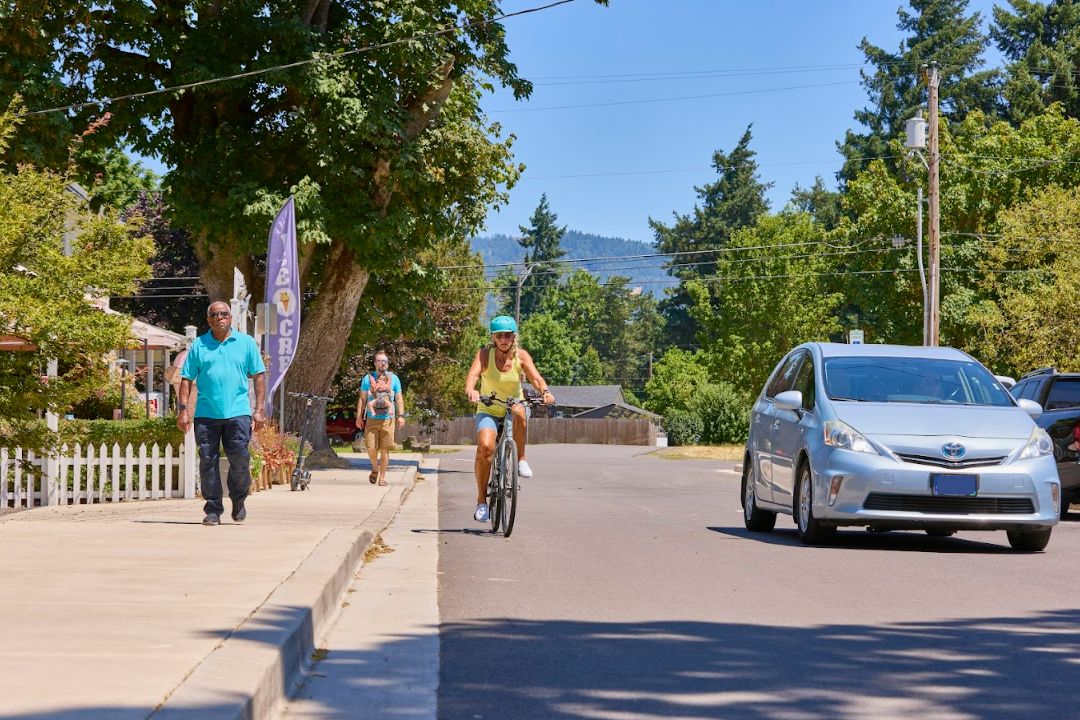
Second: Busier city streets – more traffic and more interactions with people walking and biking sharpen your observation skills and decision-making.
Third: Highway driving – higher speeds, lane changes, and merges are easier to practice during off-peak hours.
Fourth: Night driving – start on well-lit streets before tackling darker roads, since visibility and depth perception both change after dark.
Fifth: Weather conditions last – rain, fog, or snow round out your experience, ideally alongside a licensed instructor or experienced driver.
Keeping a simple driving log, noting your comfort level and what felt challenging after each session, helps you track progress and see how far you’ve come.
As your comfort grows across these varied conditions, structured guidance can help reinforce and accelerate that progress.
5. Consider Structured Safety Training
Solo practice, even with a supportive friend or family member in the passenger seat, builds real experience. But it often lacks the objective perspective needed to catch subtle habits before they become patterns. Structured courses fill that gap.

For drivers of any experience level looking to improve driving confidence with strategies specific to Oregon roads, the OFD course offers evidence-based training built around real crash data, developed by the Oregon Department of Transportation (ODOT) and administered statewide by Commute Options.
It’s not a substitute for driver education, and it won’t get you a license, but it’s a valuable complement: free, ODOT-funded, and focused specifically on the skills standard driver education often skips, like safely navigating the road with people walking, biking, and rolling. Whether you’re a new driver, a parent or caregiver guiding a teen driver through their first months on the road, a senior refreshing your skills, or a professional who drives for work, this training reinforces the habits that keep everyone safer.
Structured training builds a strong foundation, but like any skill, driving confidence needs to be maintained over time.
6. Sustain Your Confidence Long-Term
Driving regularly is the foundation of lasting confidence. Like any skill, it fades without steady use. Working driving into your weekly routine, even for short errands, keeps your skills sharp and your comfort intact. You don’t need lengthy trips, just consistent repetition that builds reflexes and mental readiness.
A reliable support system matters too. Family members or friends who can ride along, offer feedback, or simply provide encouragement make new challenges feel less intimidating. If you don’t have that support close by, the Oregon Friendly Driver community connects drivers across the state around a shared commitment to safer roads.
Confidence also grows through varied exposure: drive in daylight and after dark, on clear roads and in light rain, so unexpected conditions feel more familiar and less stressful. Periodic refresher training helps you stay current on Oregon’s evolving traffic laws and keeps your awareness sharp long after those first nerve-wracking drives.
Build Lasting Confidence on Oregon’s Roads
Every one of these tips works best when paired with real, current knowledge of the roads you’re driving on and the people you’re navigating them alongside. That’s exactly what the OFD course is built for: free, ODOT-funded training available to every driver across Oregon, including Portland, Eugene, Salem, Bend, Gresham, Medford, Corvallis, Springfield, Roseburg, Klamath Falls, and communities statewide.
Ready to build steady, lasting confidence? Enroll now in the course for free, self-paced online training. Prefer a guided or group format? Sign up for a training to schedule a live webinar or in-person session for yourself or your organization.