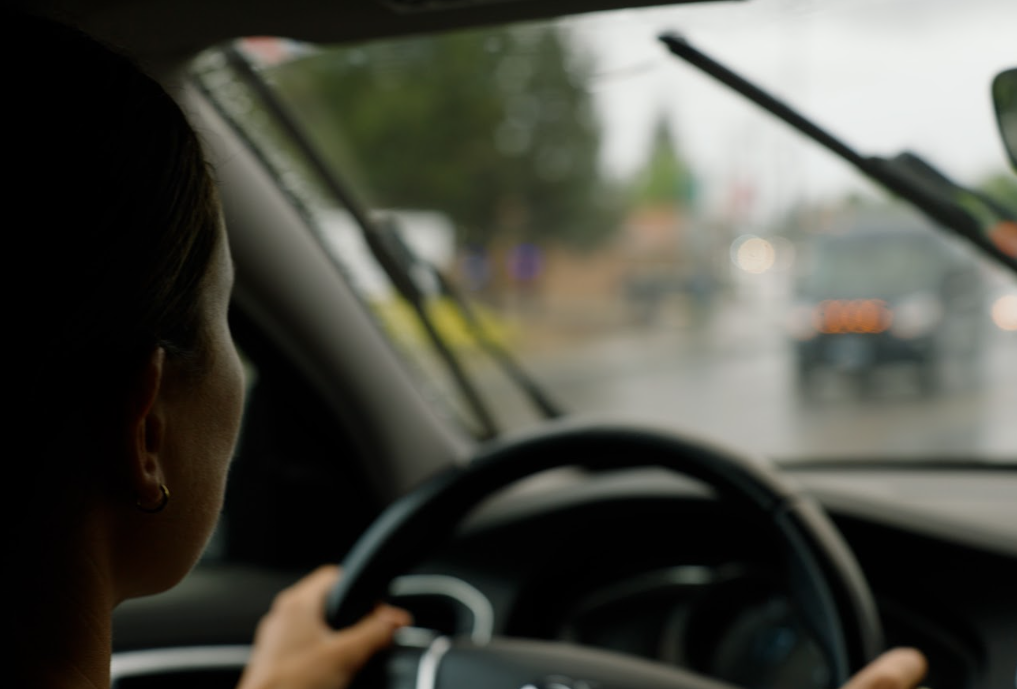
For many Oregonians, driving alone is part of the daily routine: the morning commute, a trip to the grocery store, and a drive across the valley for work. Because it feels so ordinary, it’s easy to forget how many decisions each solo trip holds. No one else is there to notice a drifting glance, a missed crosswalk, or heavy eyelids late at night.
This guide explains how solo drivers can reduce traffic fatalities in Oregon through everyday habits like putting the phone away, yielding to people walking, biking, and rolling, managing fatigue, and staying current on Oregon’s road laws, along with free education that can make those habits second nature.
Why Solo Drivers Matter to Oregon’s Traffic Fatality Rate
Oregon has made progress, but the numbers are still sobering. Traffic fatalities dropped from 587 deaths in 2023 to 538 in 2024, continuing a decline from Oregon’s recent peak of 602 in 2022. Initial 2025 data shows that 487 people were killed in crashes. Each number represents a person: a neighbor, a coworker, or a student walking to school. You can explore the trends in our Oregon roadway crash data.
So where do solo drivers fit in? When you’re the only person in the car, every decision rests with you. There’s no passenger to point out someone stepping off the curb or to suggest a break when you’re tired. Vulnerable road users, including people walking, biking, and rolling, have no vehicle around them for protection. When a crash happens, they’re the most likely to be seriously injured or killed.
This works in reverse, too. Solo trips make up a large share of the driving Oregonians do every day. When thousands of people driving alone commit to small, consistent habits, those choices add up across the state. That’s how reducing crashes in Oregon actually happens: not through one big change, but through many people making safer, more courteous decisions behind the wheel.
So what do those habits look like in practice? It starts with the choices you make on every drive.
Safe Driving Tips for Solo Drivers
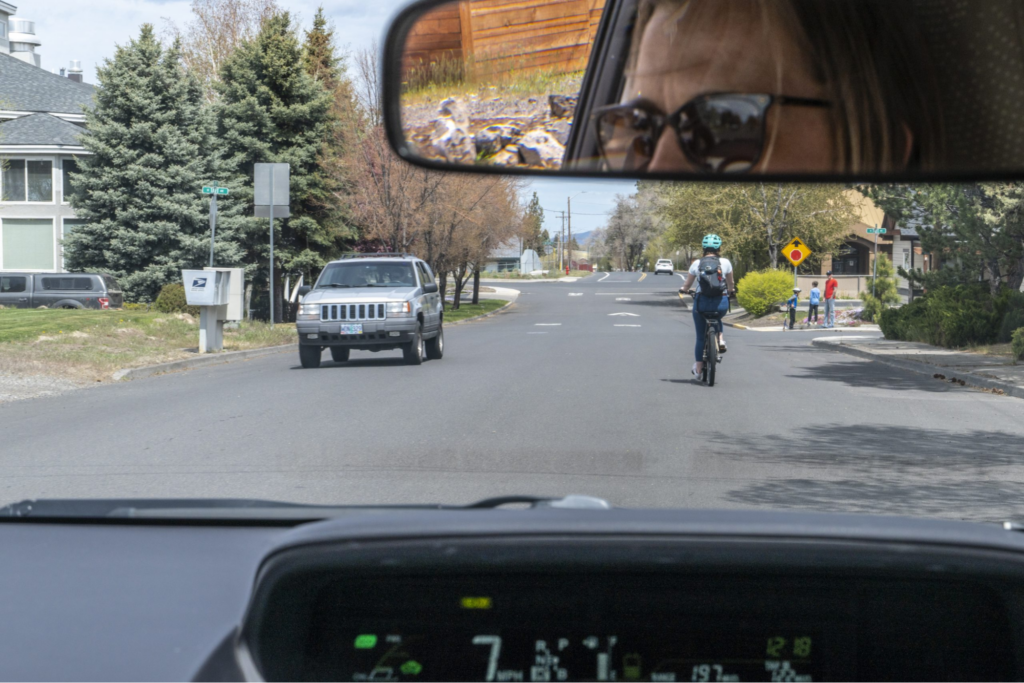
These safe driving tips for solo drivers focus on the everyday choices that matter most for protecting yourself and the people around you.
Put the Phone Away
Set your GPS and music before driving. Even using hands-free options is very dangerous on roadways. A phone conversation pulls your mind away from driving and can narrow what you notice around you, including people at the edges of your view. Remember, your phone can wait; don’t risk the potential for fatal crashes. Eating, grooming, and adjusting controls can also wait until you’ve stopped somewhere safe.
Yield to People Walking, Biking, and Rolling
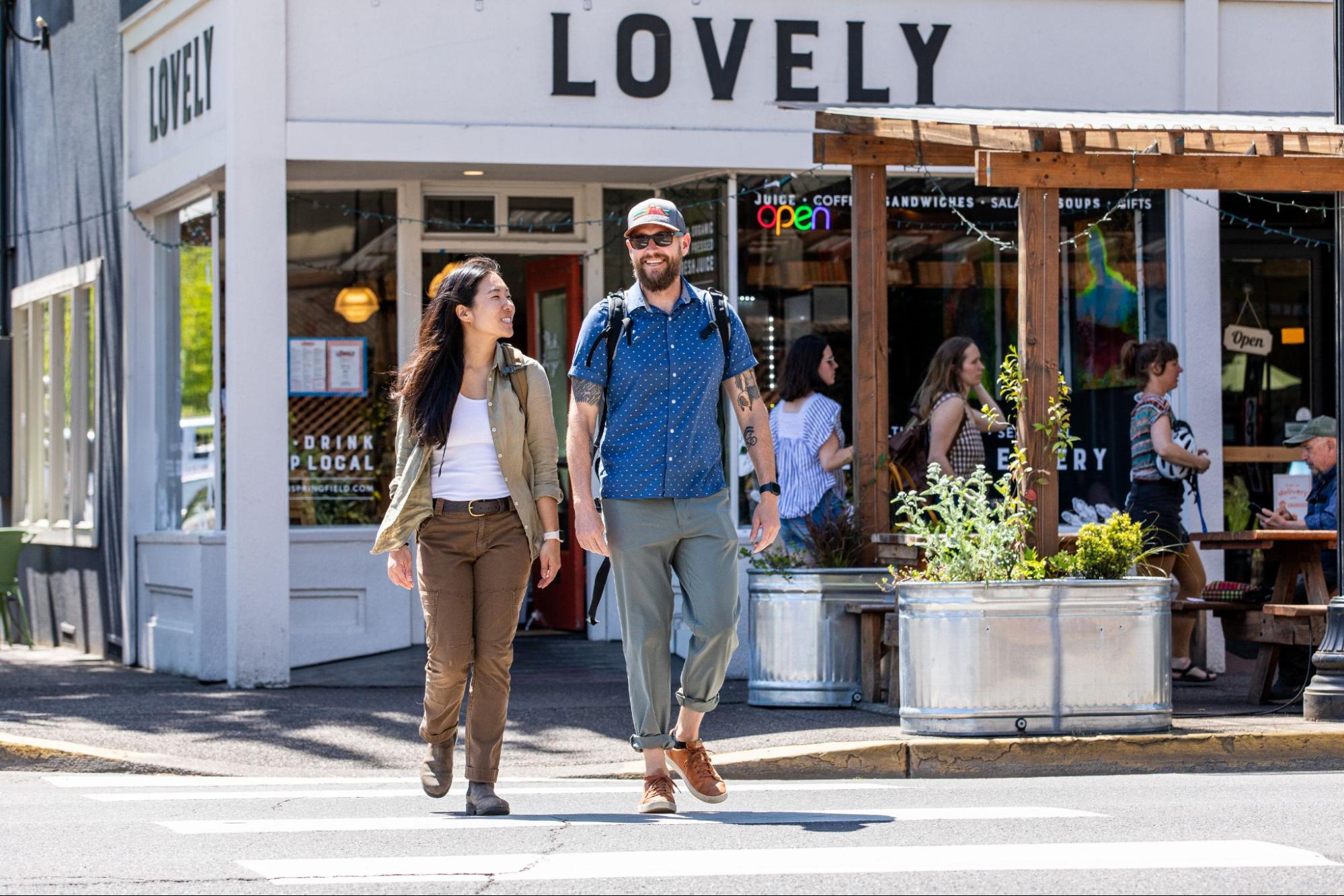
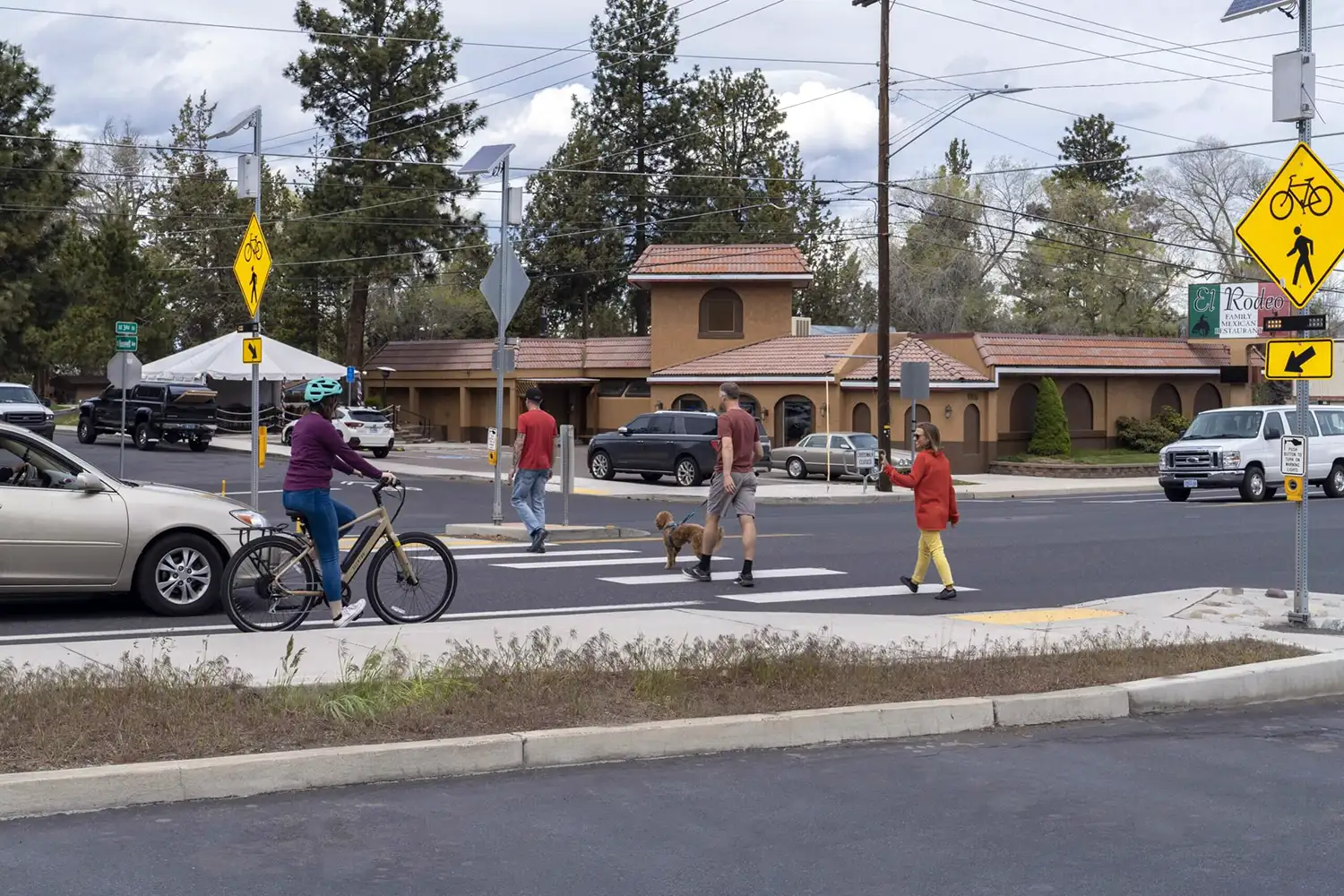
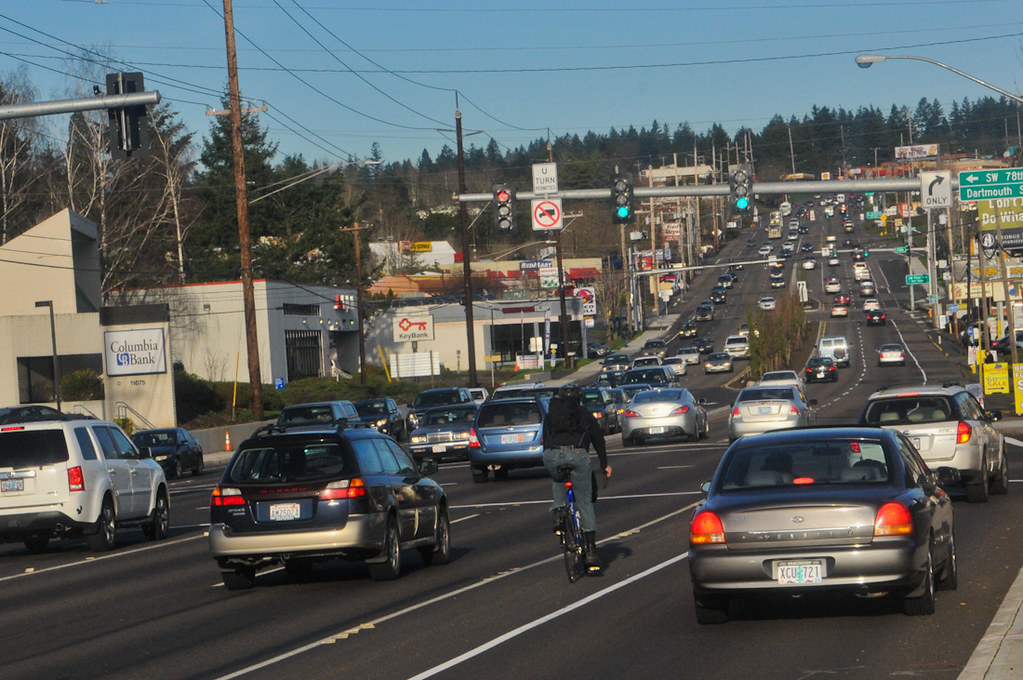
Many serious crashes involving vulnerable road users happen at intersections and crossings. Watch for people at every corner, not just at marked crosswalks, and give anyone on a bike plenty of room when passing. Oregon Law requires people driving to give “Fall Distance” when passing a person on a bike on any road greater than 35 MPH. Fall Distance is the amount of space a rider needs in case they should fall. While required on streets with higher speed limits, this is a safe passing standard to use on any street. The easiest way to provide fall distance is by changing lanes. Check out these safe passing tips from ODOT here.
Allow extra time for people using wheelchairs, walkers, or other mobility devices to finish crossing. Before turning right, check your mirrors and blind spots for people biking in the bike lane. If you want to know more about these rules, read our guide on who has the right of way in Oregon.
Drive at a Speed That Lets You React
Posted limits are a maximum, not a target. Maintain a speed that allows you to anticipate and safely respond to people walking, biking, or entering the roadway. This matters most in a few places:
- School zones: Watch for bike buses, groups of students biking to school together with an adult leader. Some grow to 100 riders or more.
- Coastal towns: Highways often become 25 mph downtown streets where people frequently cross to reach shops and the beach.
Lower speeds give you more time to stop and greatly reduce the harm if a crash does happen.
Leave Space and Scan Ahead
Keep at least a three-second following distance and look well down the road, not just at the vehicle in front of you. Scanning ahead helps you spot braking traffic, people near the curb, and vehicles pulling out of driveways early enough to respond calmly. Many common driver mistakes in Oregon come down to following too closely and reacting too late.
Manage Fatigue on Long or Late Drives
Drowsiness slows your reactions and affects your judgment, and when you’re driving alone, no one else will notice the signs. On long trips, plan to stop roughly every two hours to stretch and reset. If your eyes start feeling heavy, pull over somewhere safe and rest. For drives through rural areas or mountain passes, tell someone your route and carry a charged phone and an emergency kit.
Buckle Up and Drive Sober
These two choices are simple, and they save lives. Wear your seat belt on every trip, no matter how short. Only drive when you’re sober and clear-headed, and keep in mind that some prescription medications can affect your judgment too.
Strong habits are the foundation of safe driving. But habits work best when they’re built on accurate, up-to-date knowledge of the rules.
Stay Current on Oregon’s Road Laws
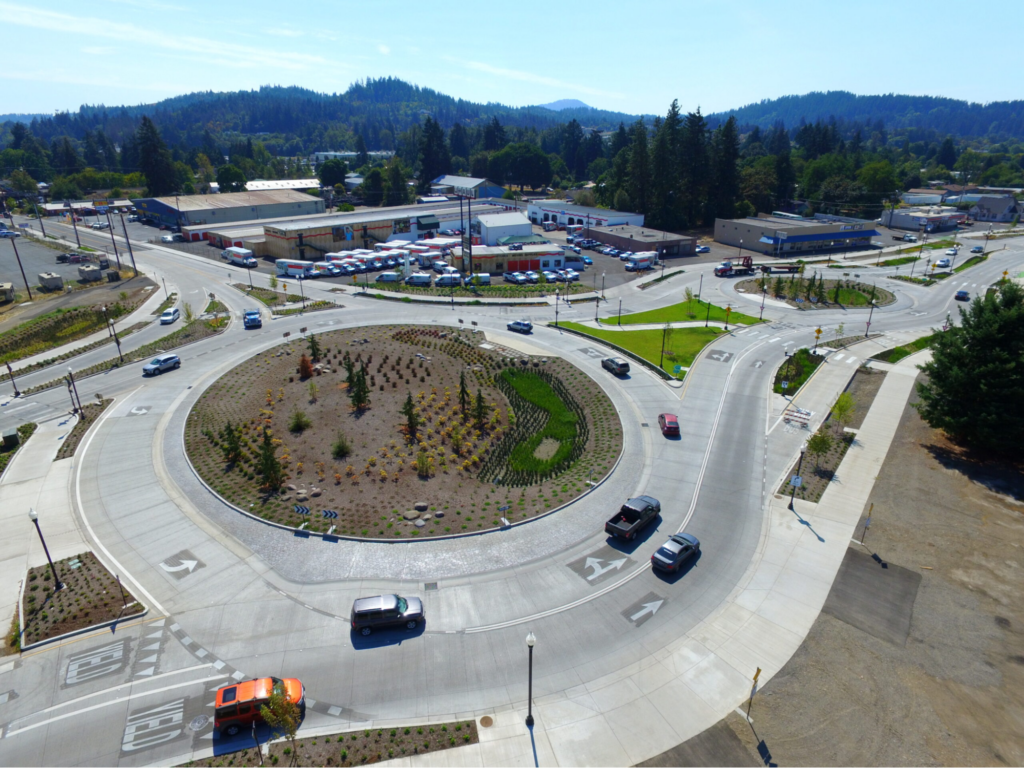
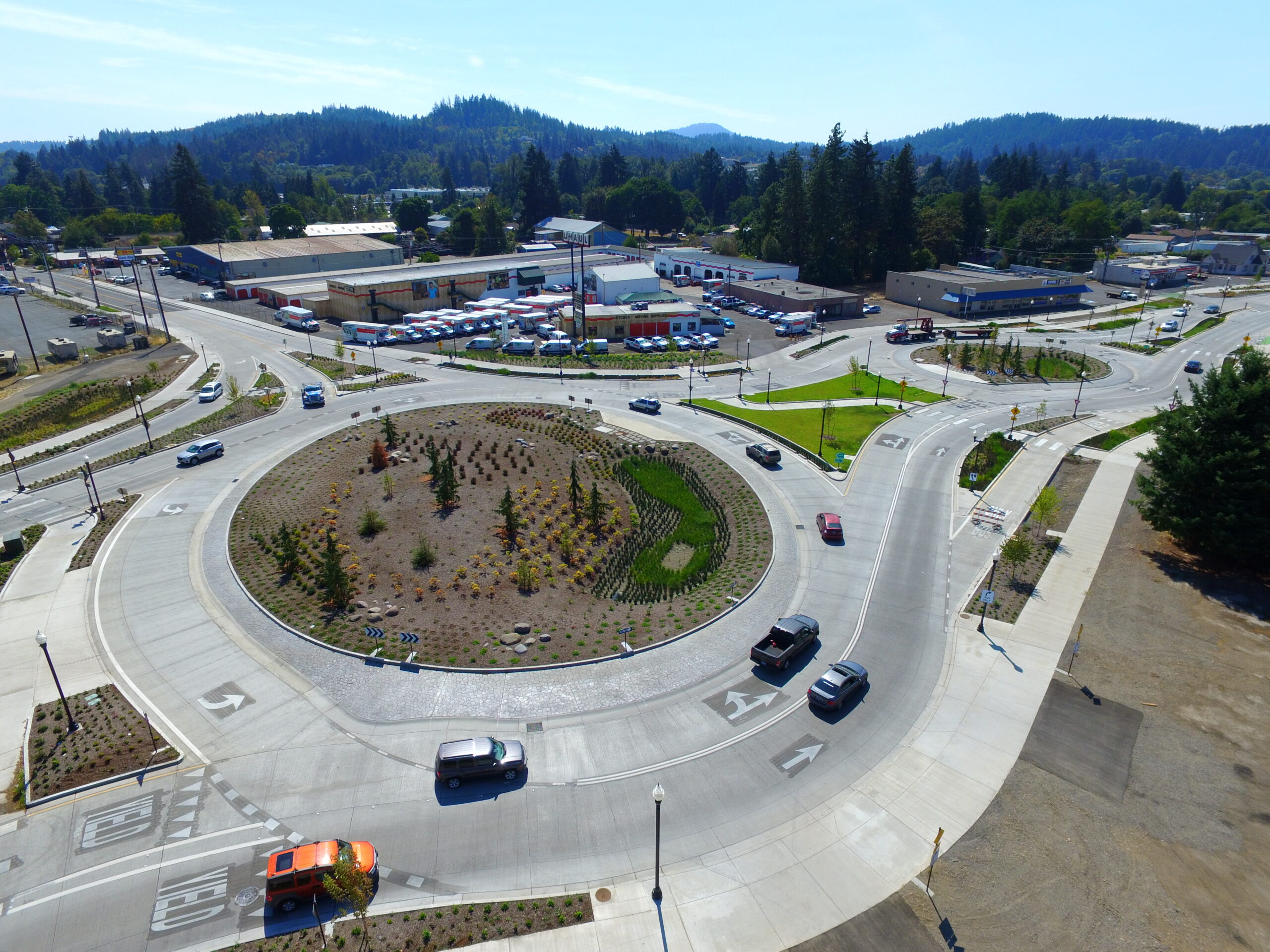
Oregon’s roads look different than they did even a few years ago. New roundabouts, protected bike lanes, and a growing mix of micro-mobility, including e-scooters, e-bikes, e-skateboards, one-wheeled devices, and more, have changed what safe driving requires. Even experienced people driving can fall back on habits that no longer match current law.
Here are a few Oregon rules every solo driver should know:
- Crosswalks: Every intersection is a legal crosswalk, whether it’s marked or not. People driving must stop and remain stopped for a person walking in a crosswalk until they’ve cleared your lane and the lane next to it (ORS 811.028). Make sure you stop and remain stopped for people who are blind (using a white cane or a guide dog), until they are completely across the roadway (ORS 811.035).
- Bike lanes: When turning across a bike lane, you must yield to people biking in it (ORS 811.050).
- Passing people biking: When passing someone on a bike at higher speeds, you must leave enough space that they could fall into your lane without being hit (ORS 811.065).
- Mobile devices: Holding or using a phone while driving is illegal in Oregon (ORS 811.507).
- Careless driving: Careless driving that contributes to the serious injury or death of a vulnerable road user carries enhanced penalties (ORS 811.135).
Knowing these rules helps you avoid citations, but more importantly, it protects the people counting on you to stop, yield, and give them space. That’s where focused driver safety education makes a difference.
How Free Education Helps Solo Drivers Protect Vulnerable Road Users
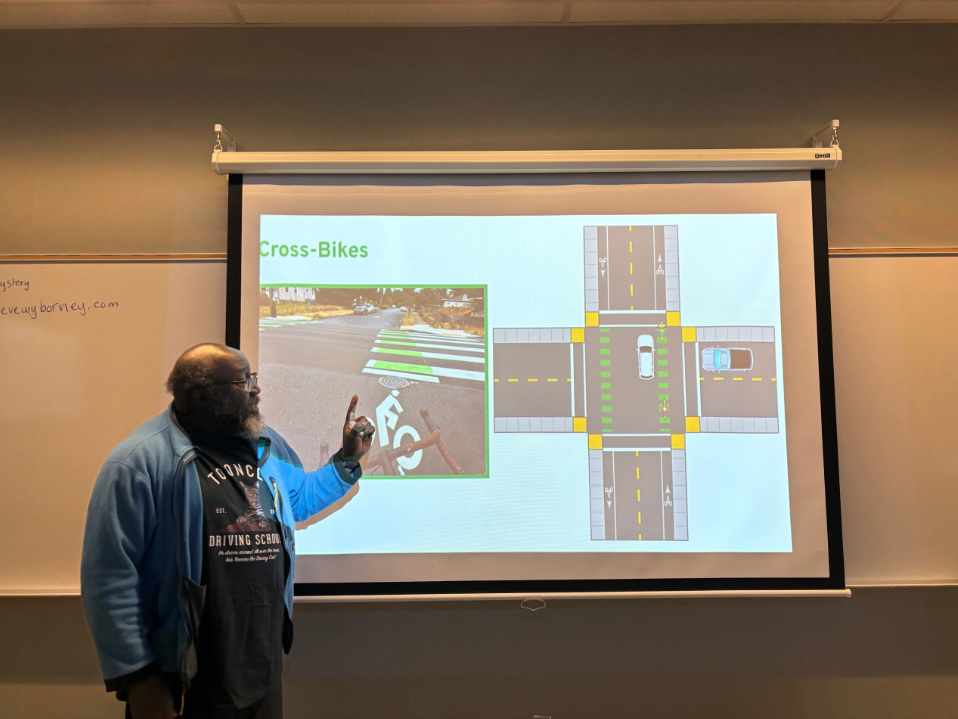
The Oregon Friendly Driver Course is funded by the Oregon Department of Transportation and administered by Commute Options. It helps close the gap between what people learned when they first got their license and what Oregon’s roads require today. It isn’t driver education, and it doesn’t replace the steps needed to get a license. Instead, it goes beyond driver test prep to focus on awareness, current laws, and practical skills for driving safely around people walking, biking, and rolling.
For solo drivers, the format fits a busy schedule and is accessible to everyone:
- Free: No fees, no hidden costs.
- Online: The self-paced online course takes about 75 minutes, and you can pause and resume anytime.
- Live webinar or in-person: Instructor-led sessions run 60 to 90 minutes.
- Certificate: Receive a digital certificate upon completion to share with employers.
- Potential insurance discounts: Some insurance providers offer a discount. Check with your provider to see.
Learn more about continued education for solo drivers. If you want to know more about feeling steadier behind the wheel, check out our tips to build your driving confidence.
Education builds skills for you, but its impact doesn’t stop at your own vehicle.
One Driver, Statewide Impact
Courteous driving spreads. When you slow down near a school, stop fully at a crosswalk, or give a person biking extra room, the people around you notice, including the teens watching how their parents and caregivers drive. Many people who complete the OFD Course go on to encourage friends, family, and coworkers to take it too, helping build a culture of safety across Oregon, including:
- Benton County: Corvallis
- Deschutes County: Bend
- Douglas County: Roseburg
- Jackson County: Medford and Jacksonville
- Klamath County: Klamath Falls
- Lane County: Eugene, Springfield, and Junction City
- Marion County: Salem and Jefferson
- Multnomah County: Portland Metro
Make Your Solo Drive Part of the Solution
Every time you drive alone, you shape how safe the trip is for you and for everyone around you. A little time spent on education can carry into thousands of future trips.
Enroll now in the Oregon Friendly Driver Course and complete the free online training at your own pace. It’s available to people driving anywhere in Oregon.
Leading a team that drives for work? Schedule a free training for your organization through a live webinar or in-person session (minimum of 5 participants for in-person sessions).
Education for People-Centered Roadways.
Frequently Asked Questions
Can one solo driver really affect Oregon’s traffic fatality rate?
Yes. Statewide numbers are made up of individual decisions: whether someone looks at their phone, stops for a person in a crosswalk, or drives too fast near a school. No single person changes the statistics alone, but thousands of people making safer choices on everyday trips is how fatalities go down.
Is hands-free phone use safe when I’m driving alone?
No. Holding or using a phone while driving is illegal in Oregon, and even using hands-free options is very dangerous on roadways. Phone conversations pull your attention away from the road, making it harder to notice people walking, biking, or rolling. Your phone can wait until you’ve stopped somewhere safe.
What should I do when someone is waiting at an unmarked crosswalk?
In Oregon, every intersection has a crosswalk, whether or not it’s painted. If a person is crossing or clearly intends to cross, stop and stay stopped until they’ve cleared your lane and the lane next to it. Don’t pass another vehicle that has stopped at a crosswalk; it may be stopped for someone you can’t see.
I’ve been driving for decades. Is the OFD Course worth my time?
Yes. Oregon’s laws and road designs have changed, and long experience doesn’t always mean current knowledge. The online course takes about 75 minutes. Many experienced drivers come away with new knowledge about bike lanes, roundabouts, crosswalk rules, and micro-mobility.
Does completing the course lower my car insurance?
It may. Completion can qualify you for potential insurance discounts. Check with your insurance provider about how they recognize the certificate.
Oregon Friendly Driver is funded by the Oregon Dept. of Transportation and administered by Commute Options. Learn more at www.OregonFriendlyDriver.org.