Every time a commercial driver pulls out of the yard, they carry more than cargo. They carry responsibility.
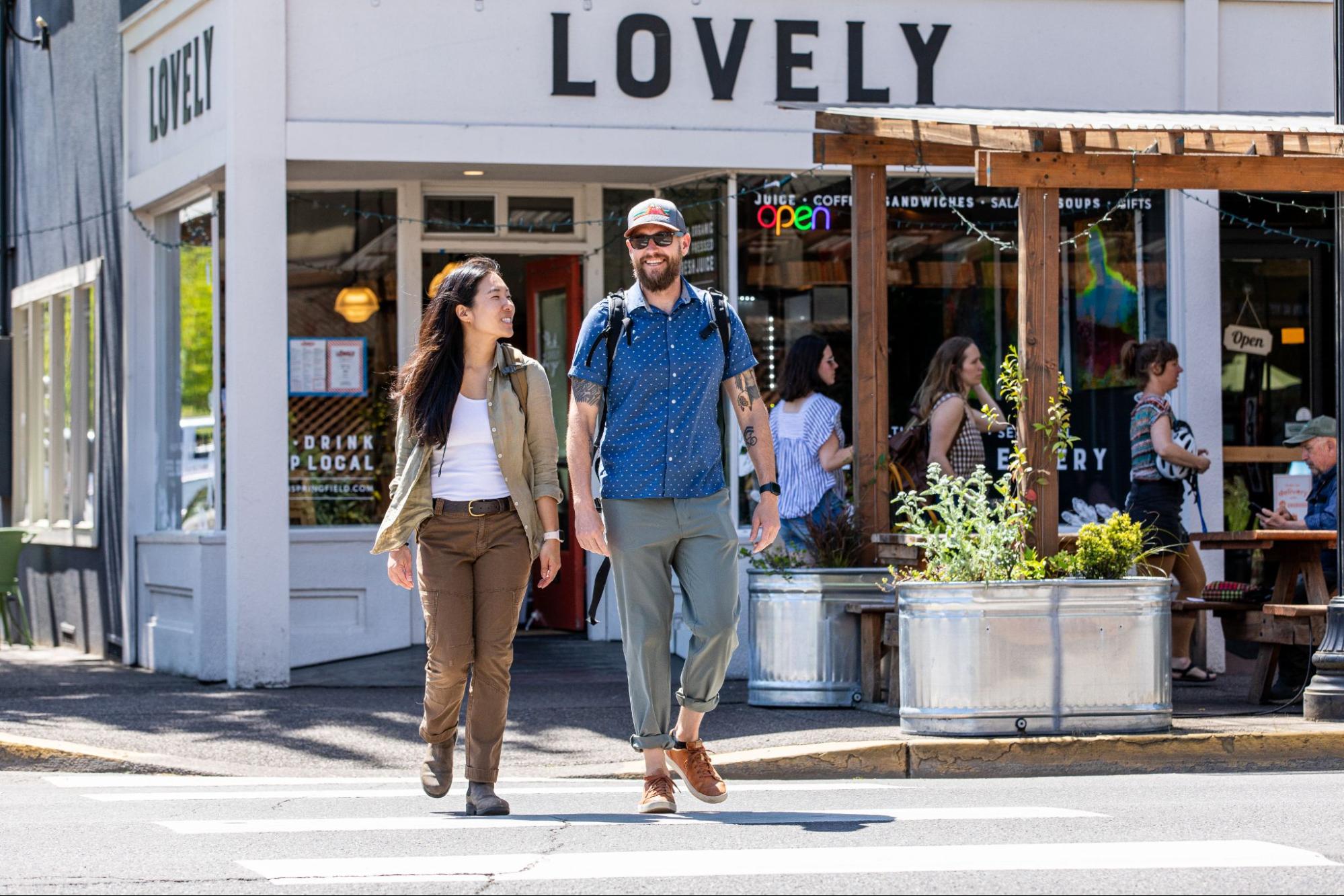
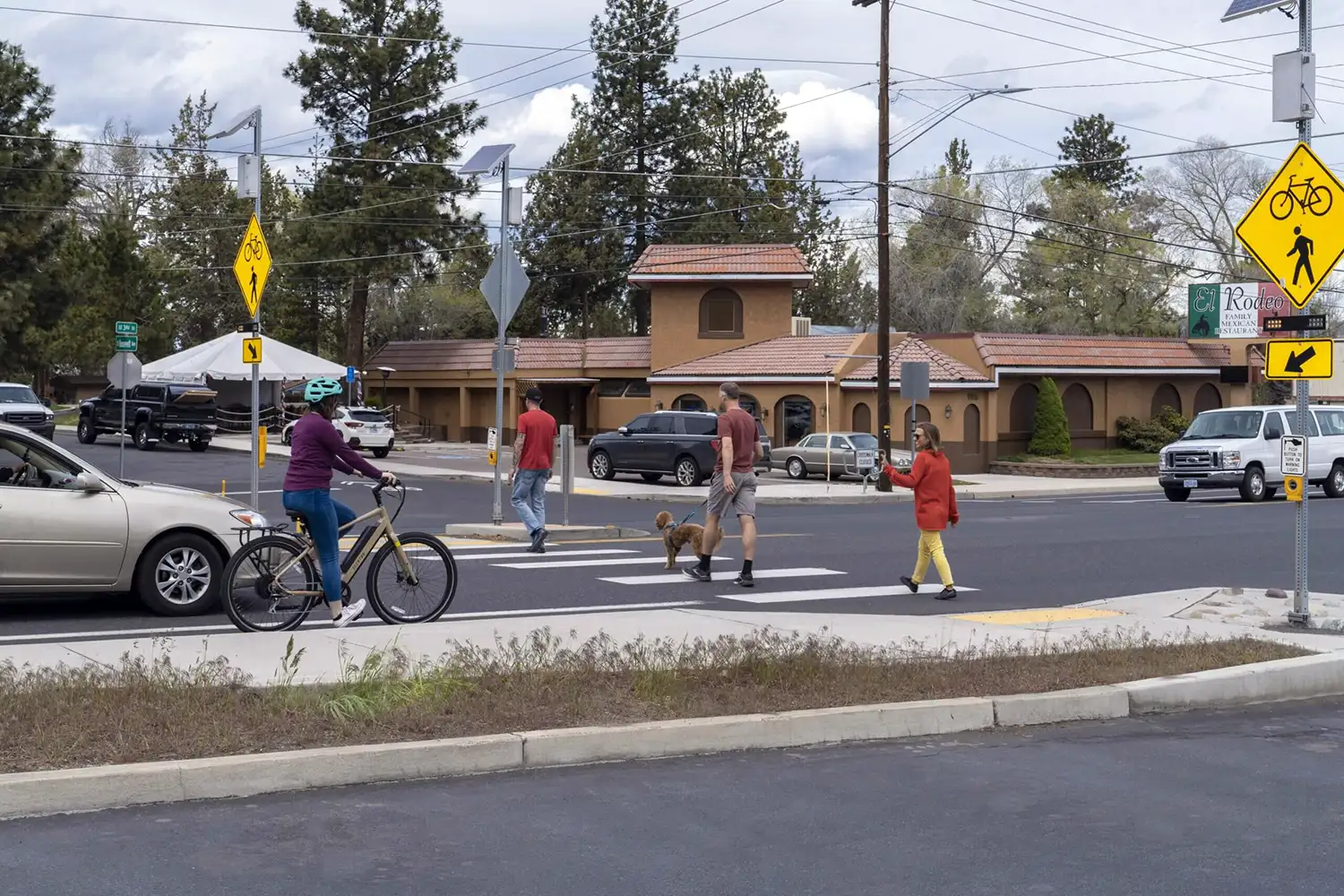
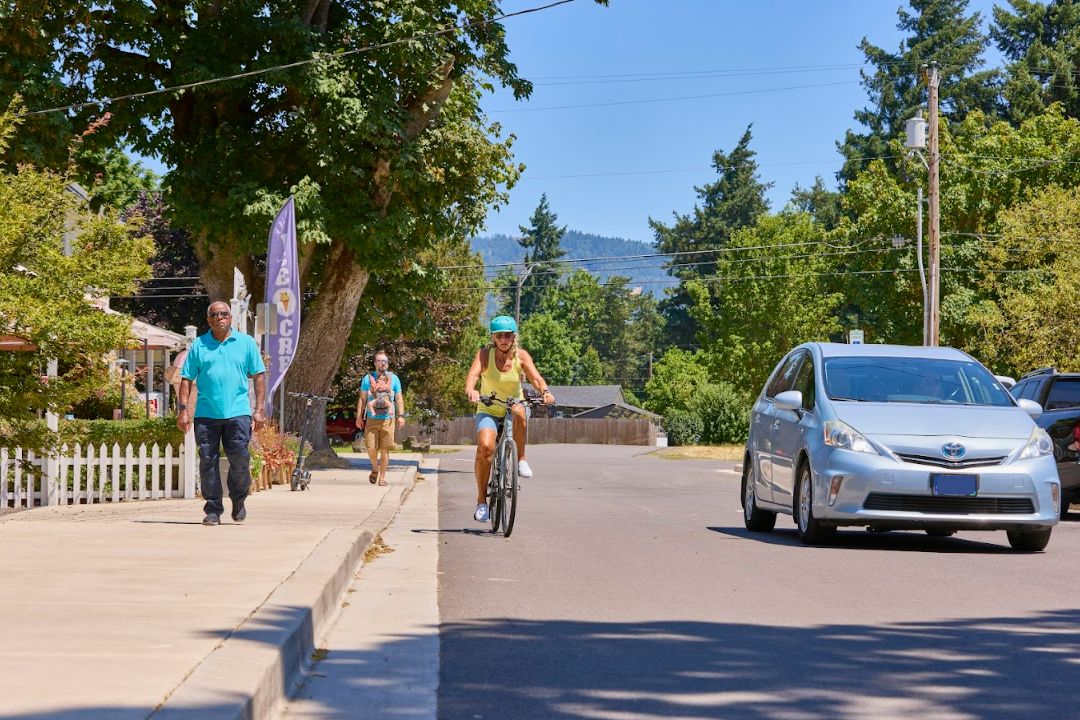
Oregon’s roads are used daily by people walking, biking, rolling, and riding micro-mobility devices like e-scooters, e-bikes, e-skateboards, and one-wheeled devices. These are vulnerable road users. They have no steel frame protecting them in a crash.
That is why proactive Oregon commercial drivers are not just following rules. They are building credibility, confidence, and a culture of safety that sets the standard for everyone on the road. Enrolling in the OFD course is one of the most practical steps a commercial driver can take toward that standard.
Why Commercial Drivers Carry Greater Responsibility
Commercial vehicles are large, heavy, and have significant blind zones. That combination creates risks that smaller passenger vehicles simply do not.
People walking, biking, rolling, and using micro-mobility devices are far more exposed to serious injury when a large vehicle is involved in a crash. When a commercial truck and a person on foot or on a bike collide, the consequences are rarely minor. The size and weight of commercial vehicles means that driver decisions (speed, positioning, attention) carry consequences that go far beyond a fender bender.
Oregon has made road safety a statewide priority. Vision Zero efforts, expanding bike lanes, and growing numbers of micro-mobility users mean commercial drivers are encountering more vulnerable road users than ever. But the picture looks different depending on where you drive.
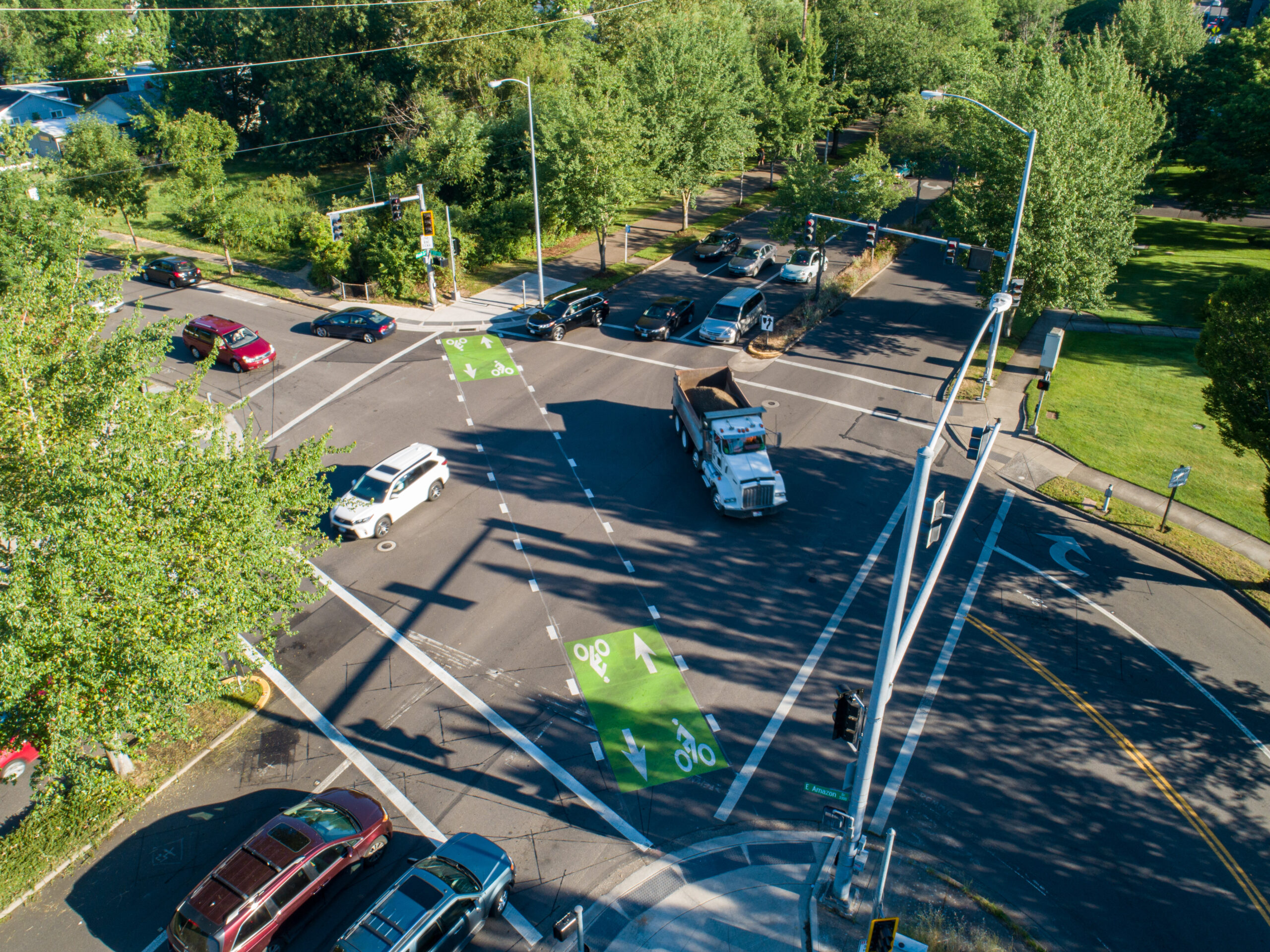
In Portland and Eugene, that means navigating protected bike lanes, e-scooter zones, and high-volume crossings. In Bend, Salem, and Medford, it means navigating arterial roads with people biking and walking on routes that were not always designed with them in mind.
On rural highways through the Willamette Valley, the Coast Range, or Eastern Oregon, it means watching for farm equipment, equestrians, and agricultural workers in conditions where there is no shoulder and no margin for error.
People who drive commercially and take this responsibility seriously do not just reduce crash risk. They build a professional reputation that sets them apart.
Who Are Vulnerable Road Users On Oregon Roads?
Vulnerable road users include people who lack physical protection in a crash. On Oregon roads, that means:
- People walking or rolling in wheelchairs and mobility scooters
- People biking or riding micro-mobility devices
- E-scooter, e-bike, e-skateboard, and one-wheeled device users
- Equestrians and agricultural workers on rural roads and highways
- Logging and farm equipment operators on two-lane rural routes
- Tourists unfamiliar with local traffic patterns, especially in coastal and mountain communities
Oregon’s active transportation culture makes this population especially visible in urban areas, but vulnerable road users are present on every type of road in the state. According to IIHS, Oregon recorded 587 traffic deaths in 2023, with people walking and people biking together accounting for roughly one in five of those fatalities. ODOT’s statewide crash data shows that 536 people were killed on Oregon roads in 2024, including 95 people in crashes involving people walking alone. These are not abstractions. They are people’s sons, daughters, mothers, grandmothers, people’s loved ones on the same roads that commercial drivers travel every day.
Core Safety Practices For Commercial Drivers
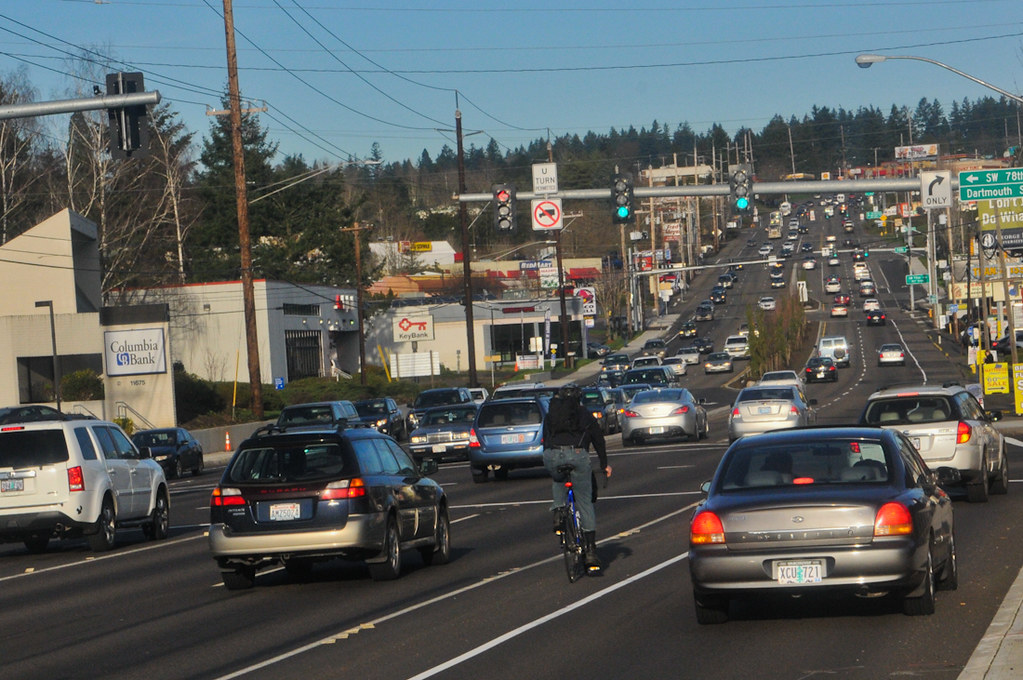
Protecting vulnerable road users requires consistent habits, not good intentions alone. These are the practices that matter most on Oregon routes.
Awareness And Positioning
- Maintain at least a four-second following distance. Extend this significantly on wet Willamette Valley roads, in coastal fog, or on icy Cascade passes.
- Do physical shoulder checks before lane changes and turns. Mirrors alone are not enough, especially in high-traffic urban corridors or on rural roads where people on bikes may appear suddenly after a bend.
- Signal at least 100 feet before turning. People biking and walking need time to adjust.
- Execute wide right turns deliberately to avoid trapping anyone in the truck’s blind zone.
- Complete a 360-degree walk-around before every trip to identify hazards near the vehicle.
Speed And Attention
- Maintain a speed that allows you to anticipate and safely respond to people walking, biking, or entering the roadway.
- Put the phone down completely. Even hands-free calls are dangerous. Research shows that when people driving talk on the phone hands-free, their peripheral vision disappears entirely. Your phone can wait. Do not risk the potential for fatal crashes.
- Adjust your speed for Oregon’s variable conditions: rain and standing water on I-5 and Highway 101, fog in the Willamette and Rogue valleys, ice and snow on the Cascades and in Eastern Oregon. Stopping distances increase dramatically in all of these environments.
When these habits are reinforced through structured driver education, they become instinctive. That is where the OFD course makes its mark.
Driver Education That Builds Confidence And Credibility
Technical skills get drivers hired. Safety skills make them exceptional.
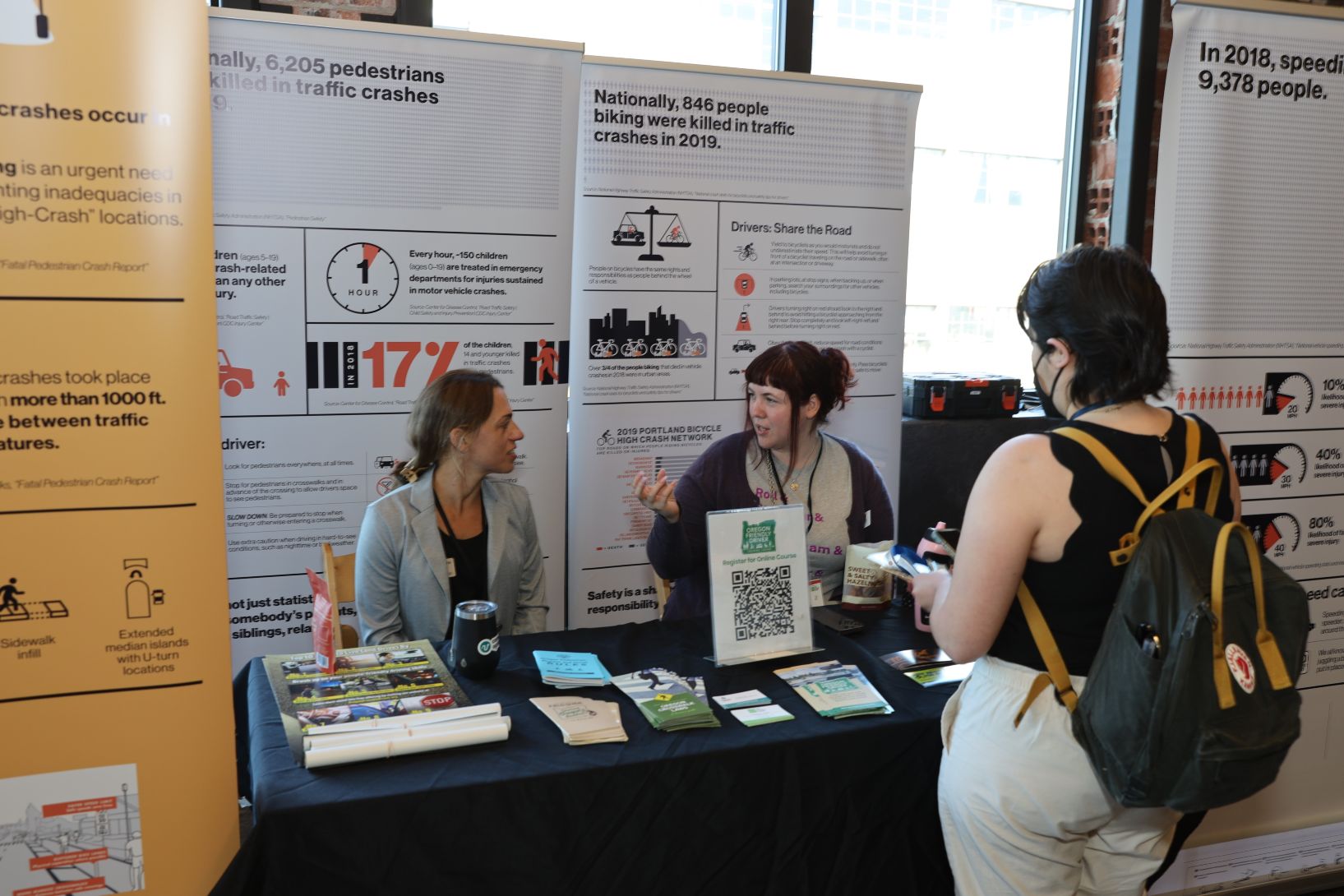
Research consistently shows that driver education focused on vulnerable road user awareness meaningfully reduces crashes involving people walking and biking. The OFD course is built for exactly that purpose, giving commercial drivers the knowledge and confidence to navigate Oregon roads responsibly.
Flexible Formats For Busy Schedules
- Online course: approximately 75 minutes, accessible anytime
- Live webinars and in-person classes: 60 to 90 minutes, available statewide
- All formats are completely free and provide an identical curriculum and certification upon completion
The OFD course was developed with ODOT support and has been trusted statewide since 2017. Whether you run routes through Portland’s inner eastside, deliver freight on Highway 97 through Central Oregon, or operate in the timber and agricultural corridors of Southwest Oregon, this training reflects the roads you actually drive. Completion of evidence-based ODOT funded training signals to employers, fleet managers, and the public that a driver takes their role seriously.
Safe Roads. Safe Workplaces.
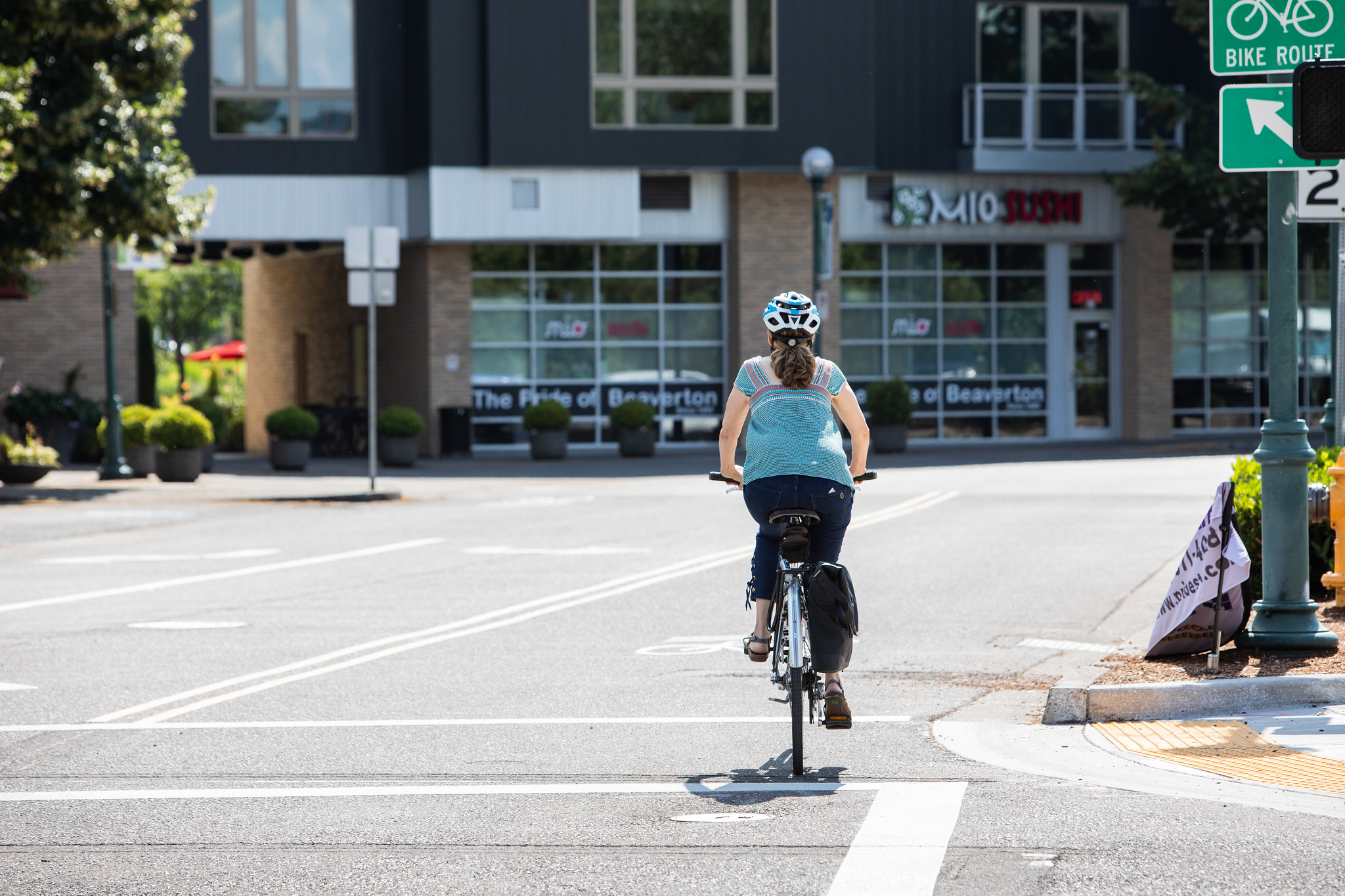
For fleet operators across Oregon, investing in vulnerable road user education is both the right thing to do and good business practice.
Fewer crashes mean:
- Lower insurance premiums
- Reduced legal liability
- Less vehicle downtime
- Stronger reputation with clients and communities
ODOT crash data shows that in 2022 alone, there were over 800 crashes involving people walking and nearly 500 involving people biking on Oregon roads, each one a potential liability for any fleet caught unprepared. Delivery companies, logistics operators, school bus contractors, utility services, agricultural haulers, and timber operations all face real exposure when crashes occur. The OFD course is a free, ODOT-funded resource that protects people, protects assets, and builds a culture where safety is a core value, whether your fleet runs urban last-mile routes or long-haul corridors across the state.
Get Certified To Navigate Oregon Roads Safely, At No Cost
Oregon’s roads are used every day by people walking, biking, rolling, and driving, from the bike lanes of Portland to the farm roads of the Willamette Valley to the mountain highways of the Cascades. As a commercial driver, you have the opportunity to be a genuine safety leader for your team, your community, and every person you pass on the road.
The OFD course is 100% free, funded by ODOT, and built for Oregon. Take the next step today.
Enroll now in the OFD course or schedule a training session for your fleet.
The OFD course is available to commercial drivers and fleets across Oregon, including Portland, Eugene, Springfield, Bend, Salem, Medford, Beaverton, Klamath Falls, Gresham, Roseburg, Junction City, and beyond.