Oregon roads are beautiful, but they are also unforgiving. From the rain-slicked streets of Portland to the mountain passes of the Cascades, drivers face conditions that demand more than basic skills.
Understanding the most common driver mistakes in Oregon is the first step toward changing that. This blog breaks down the errors Oregon motorists make most often and offers clear, practical ways to fix them.
Most crashes are not random. They are preventable. In 2025, vulnerable road users, including people walking, biking, and rolling, accounted for 485 traffic fatalities on Oregon roads. Small, consistent changes in how you drive can make a meaningful difference for everyone on the road.
Most Common Driver Mistakes on Oregon Roads
Rolling Stops at Intersections
Rolling through stop signs without fully stopping is one of the leading causes of crashes at intersections across Oregon. It happens because a full stop can feel unnecessary on a quiet street. But even a brief lapse puts people crossing, people biking, and vehicles entering from side roads at serious risk.
The fix is simple: stop behind the limit line, use the “one-two-three” pause, then scan left, right, and ahead before moving. Practiced consistently, this becomes automatic.
Speeding and Inconsistent Speed Management
Speeding means driving too fast for conditions, not just exceeding a posted number. Nationally, speeding contributed to more than a quarter of all fatal crashes in 2023. Oregon reflects those same trends.
People driving often rely on memory rather than real-time awareness. On stretches like Interstate 5, limits can drop suddenly from 70 mph to 35 mph near towns or construction zones. On rural highways, limits typically range from 45 to 65 mph. Scanning for signs and adjusting speed early is one of the most effective habits you can build.
Failure to Yield Right-of-Way
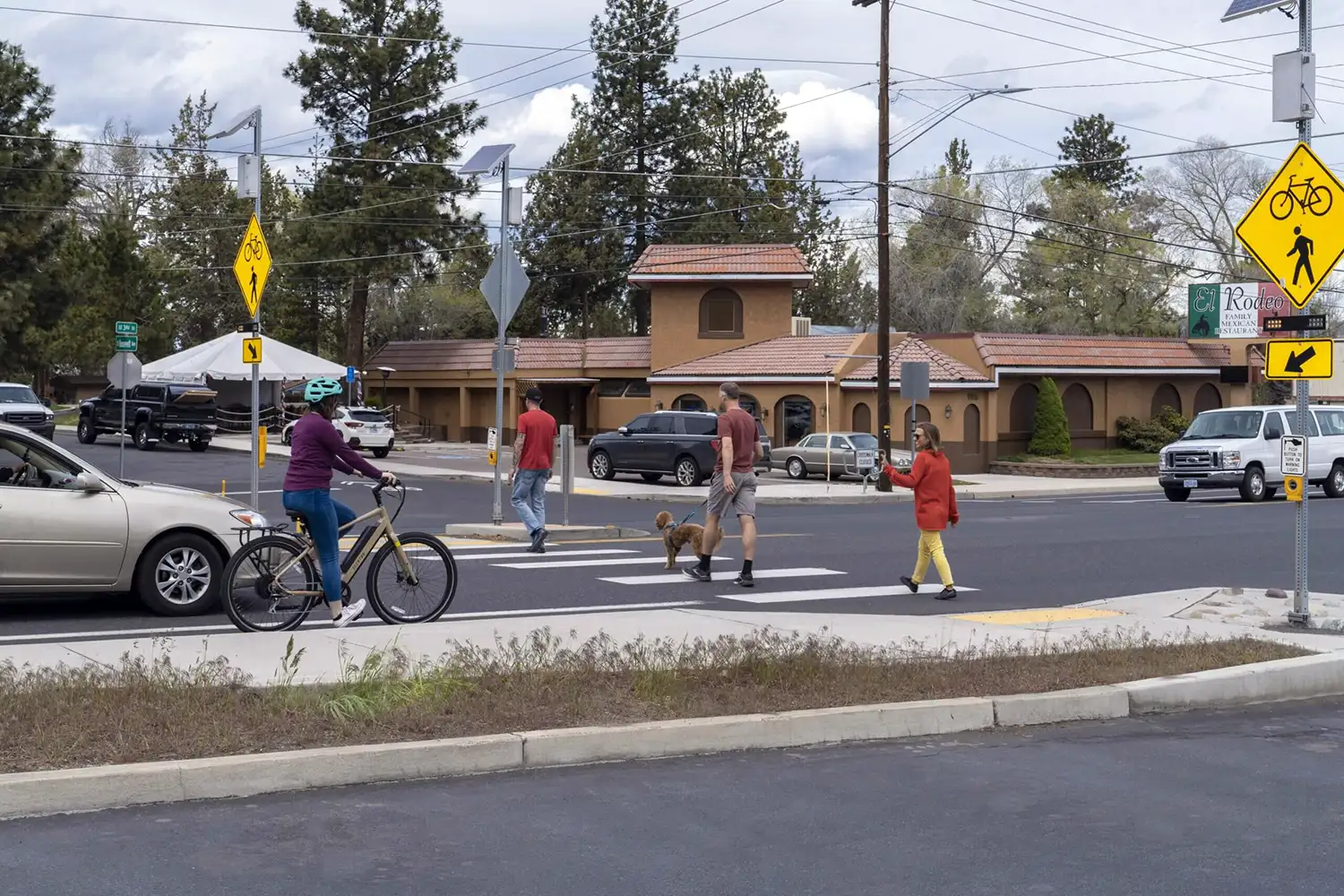
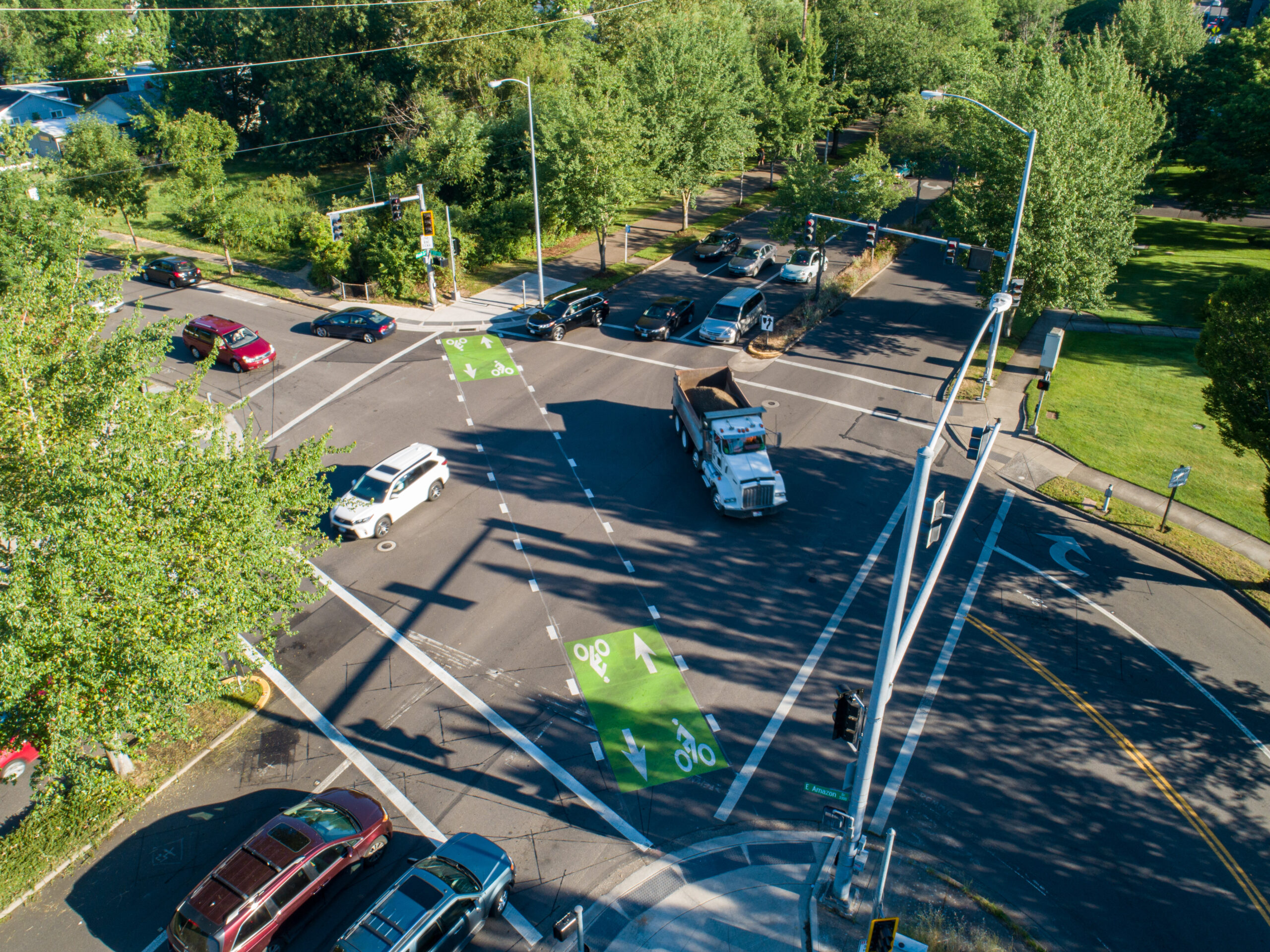
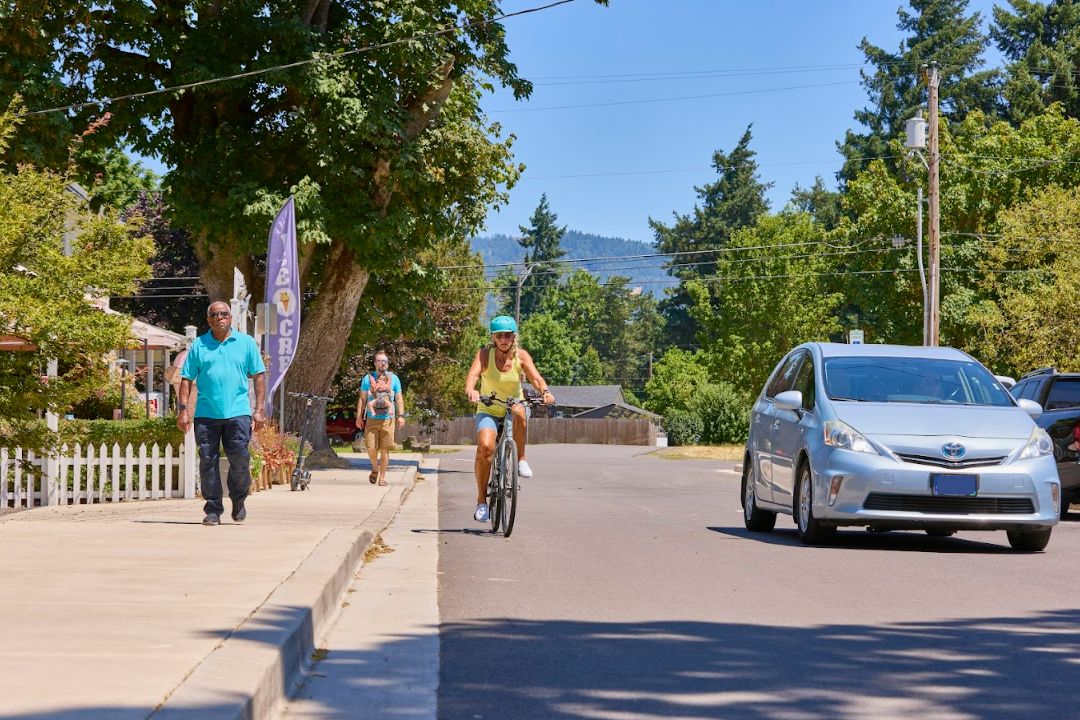
Failing to yield is a consistent contributor to crashes across Oregon. People walking, biking, rolling, and using micro-mobility bear the greatest risk when people driving fail to stop.
People driving and ignoring crosswalks, or passing a vehicle already stopped at one, put people mid-crossing in serious danger. Slow down at every crosswalk. Stop well before the line. It is Oregon law.
Improper Lane Changes and Blind Spot Neglect
Failing to check blind spots, drifting within lanes, and skipping mirror checks are behaviors driving examiners specifically look for. Consistently monitoring blind spots is one of the most effective ways to reduce crash risk during lane changes.
Build the mirror-signal-shoulder check into every lane change. Signal early, check mirrors, then look over your shoulder before moving. This gives everyone around you time to react.
Why These Mistakes Happen: Distracted Driving
Distracted driving is one of the most preventable causes of crashes in Oregon. Distraction is consistently identified as one of the leading contributors to moderate-to-severe crashes among people driving nationally.
Distractions fall into three categories:
- Manual: Hands leave the wheel (eating, reaching for objects)
- Visual: Eyes leave the road (checking a screen)
- Cognitive: Mind leaves the task of driving (planning, conversations)
Texting combines all three at once, making it one of the highest-risk behaviors behind the wheel.
Oregon law prohibits handheld device use while driving, with fines from $130 to $250. But the risk does not stop at handheld use. Even hands-free options are very dangerous on roadways. Research shows that cognitive distraction causes peripheral vision to narrow significantly, making it harder to detect people biking, people walking, and unexpected hazards even when your eyes appear to be on the road.
Your phone can wait. Do not risk the potential for fatal crashes. The Oregon Friendly Driver course covers distracted driving in depth, including the cognitive risks that most people underestimate.
Before every drive:
- Silence notifications
- Set your GPS and audio while parked
- Keep full attention on the road and every person sharing it with you
What Happens When Mistakes Occur: Traffic Laws and Consequences
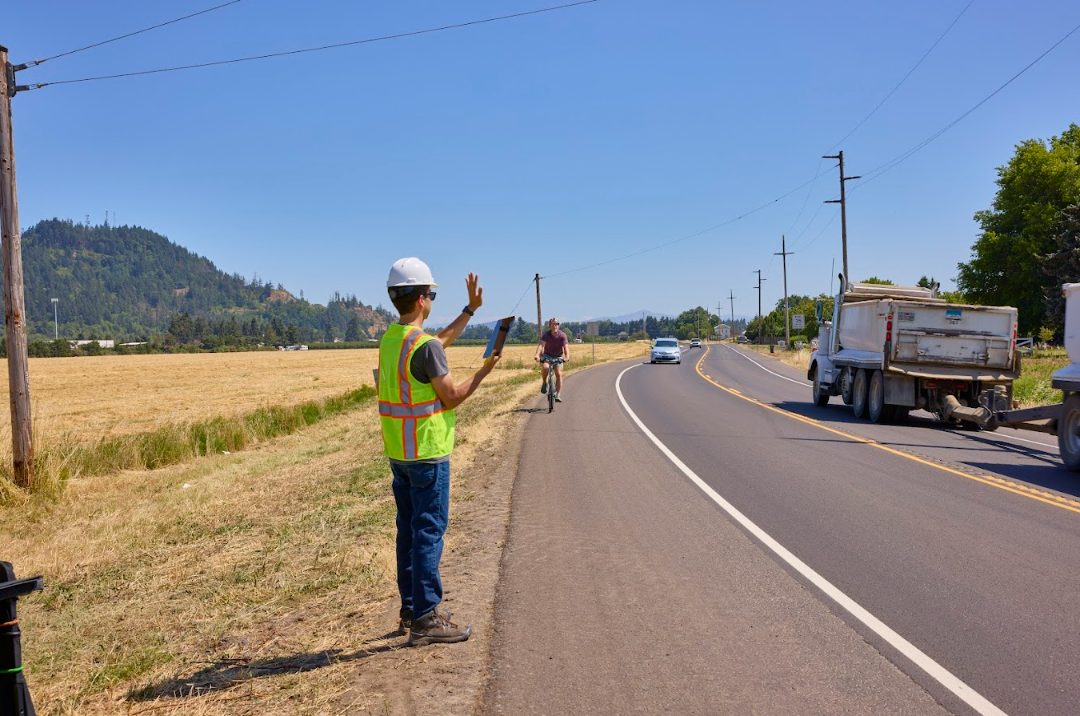
Knowing Oregon’s traffic laws is about more than avoiding citations. It is about creating a predictable, safe environment for every person on the road.
Key rules people frequently overlook:
- Signaling: Oregon law requires turn signals at least 100 feet before turning or changing lanes. Consistent signaling gives people driving behind you critical seconds to react, significantly reducing rear-end crash risk.
- School zones and residential areas: Speed limits are lower here for a reason. Bike buses, which are organized groups of students biking to school with adult leaders and sometimes more than 100 riders, are an increasing presence near schools during arrival and dismissal times.
- DUI: A first offense carries fines from $1,000 to $6,250, a one-year license suspension, and mandatory diversion programs.
- Reckless driving: Fines can reach $5,000 with up to one year of imprisonment.
Every citation is an opportunity to course-correct before the consequences become irreversible.
Practical Tips to Avoid These Mistakes
Building safer driving habits takes conscious repetition. These are the ones that make the biggest difference on Oregon roads:
- Stop completely every time. Count “one-two-three” after stopping before scanning and moving forward.
- Drive at a speed that lets you respond. Ask yourself whether you could safely stop for someone entering the roadway right now.
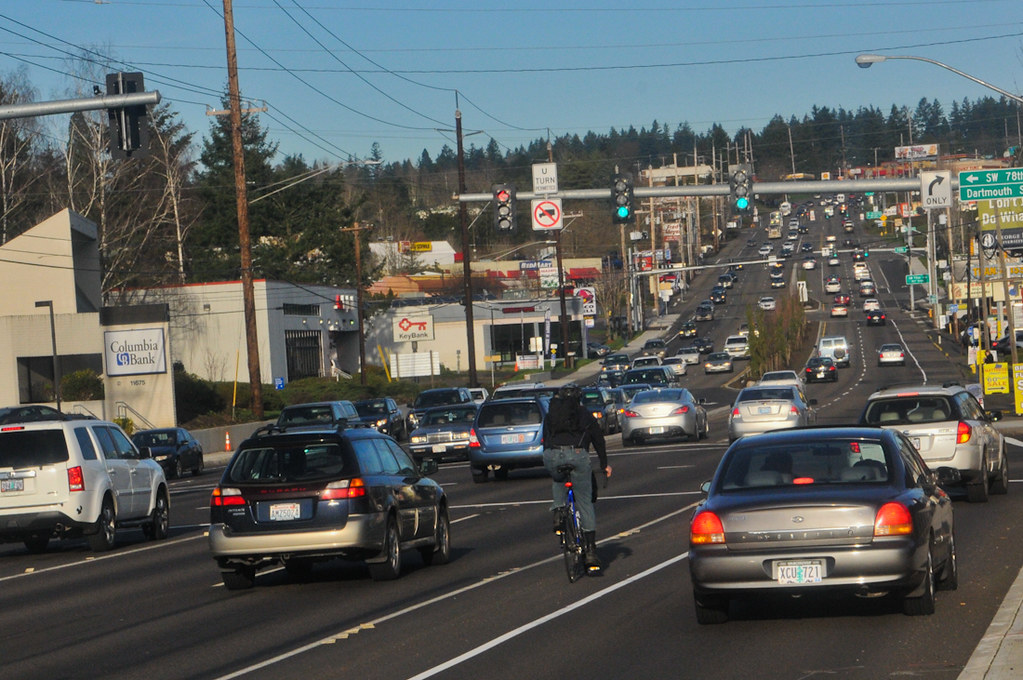
- Check mirrors, signal, and then check your blind spot before every lane change. Every time.
- Stay right except to pass. Left-lane camping creates unsafe bottlenecks on Oregon freeways.
- Yield to people crossing. Oregon law requires it at all marked crosswalks, regardless of whether someone appears to be in your path.
- Adjust for conditions. Rain, fog, ice, and construction zones all demand lower speeds and greater following distance. Check ODOT’s real-time road condition reports before driving in uncertain weather.
- Leave your phone alone. Set everything before you drive and do not touch it until you are parked.
Driver Safety Resources Across Oregon
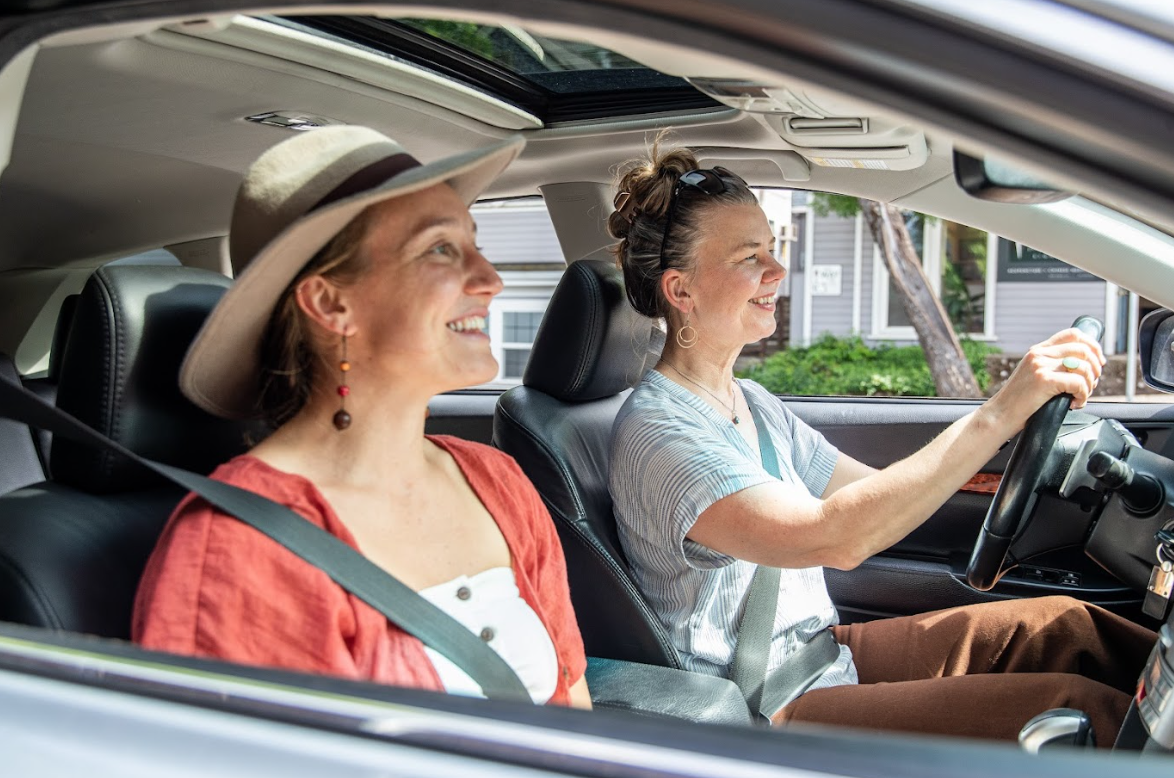
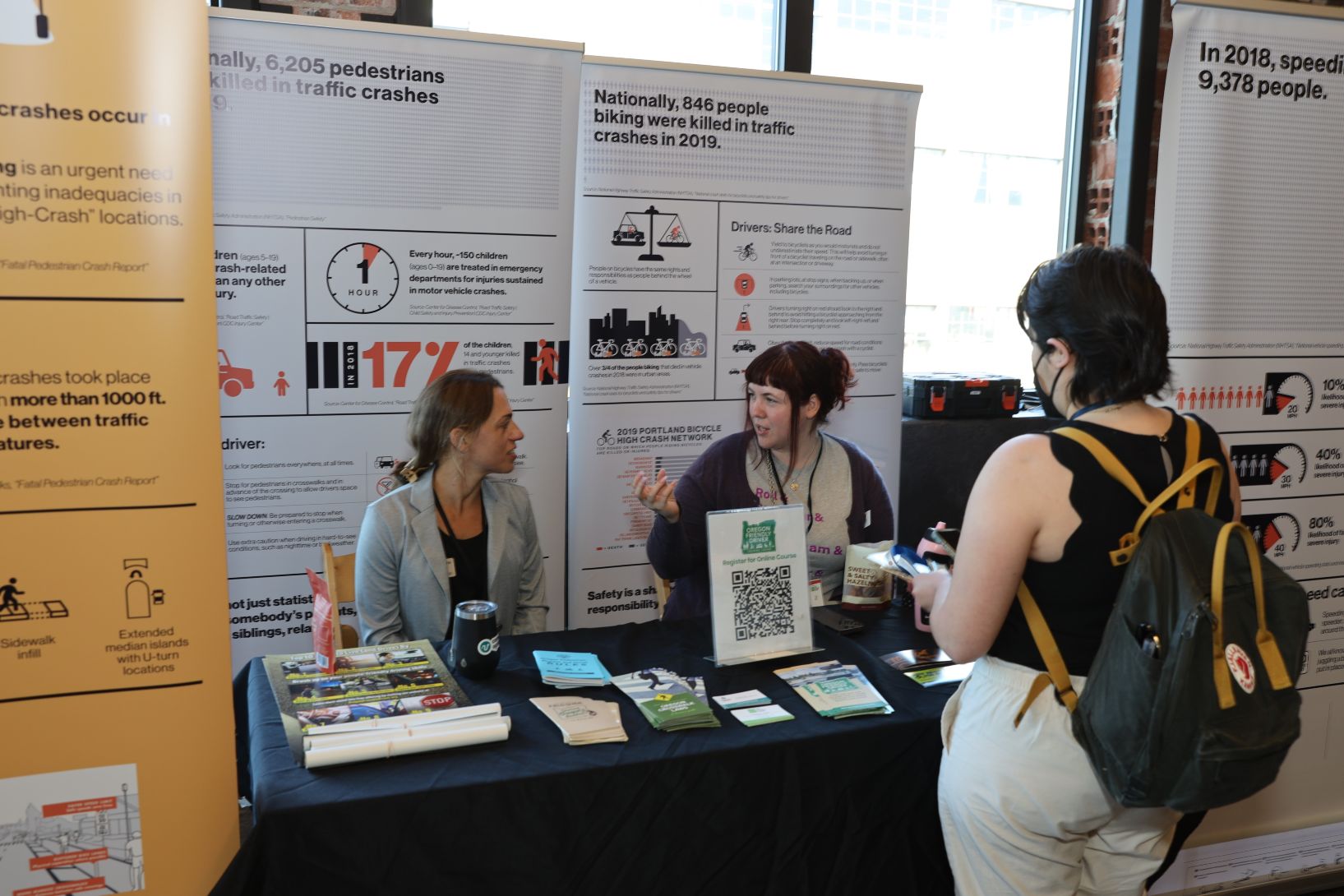
The OFD course is available statewide at no cost. Unlike standard driver education, the OFD course focuses on awareness of people walking, biking, rolling, and using micro-mobility, including e-scooters, e-bikes, e-skateboards, one-wheeled devices, and more.
It is supplemental safety training covering topics that standard driver education courses do not adequately address. Completion represents evidence-based ODOT-funded training that benefits drivers at every experience level.
The Oregon Friendly Driver serves drivers across all of Oregon, including Portland, Eugene, Springfield, Bend, Salem, Medford, Beaverton, Klamath Falls, Gresham, Roseburg, Junction City, and every community in between. Every format is free.
Take the Wheel: Get Certified with Oregon Friendly Driver
Most crashes are preventable. A complete stop, a shoulder check, a phone left face-down. These are the decisions that protect lives every day on Oregon roads.
The Oregon Friendly Driver course is free, ODOT-funded, and built for every type of driver across the state. Whether you are enrolling on your own, encouraging a teen driver, or scheduling training for your entire team, there is a format ready for you.
Enroll now in the OFD course or schedule a training session for your team.