Visiting Oregon means enjoying some of the country’s most beautiful roads, but those scenic drives come with their own set of challenges. From sudden weather changes to wildlife crossings, to people on bikes and students walking, staying safe on Oregon roads takes more than just watching speed limits.
Safe driving is critical for tourists visiting Oregon because the state experiences unique road conditions. Heavy traffic near popular destinations, variable weather, and frequent construction zones create constant challenges. Additionally, unpredictable wildlife crossings and mixed traffic with people biking and people walking require heightened awareness.
Before you hit the road, consider taking a comprehensive safe driving course for tourists in Oregon. The Oregon Friendly Driver Course prepares you for these unique challenges, giving you confidence behind the wheel. Act like a local and learn how to drive around people walking, biking, and rolling.
Oregon’s Unique Road Challenges
Weather That Changes in Minutes
Oregon’s weather doesn’t follow a predictable pattern. What starts as clear coastal sunshine can transform into mountain snow within hours. Coastal fog limits visibility while inland valleys bake under summer sun.
Mountain passes above 5,000 feet hold snow well into late spring. Winter ice appears suddenly on high roads. You need chains or winter tires ready during colder months, regardless of conditions at your starting point.
Always check TripCheck.com before and during your trip for:
- Real-time road conditions
- Weather alerts
- Construction updates
- Traffic camera footage
- Travel time estimates
Wildlife You Won’t Expect
Oregon’s rich wildlife population creates thousands of vehicle encounters annually. Deer and elk cross highways with little warning, especially during dawn and dusk.
Areas like Crater Lake and Mount Hood demand constant awareness. According to ODOT, over 50% of animal-related crashes occur on rural highways during low light conditions.
To stay safe around wildlife:
- Slow down at dawn and dusk
- Watch for animal crossing signs
- Remember: if one animal crosses, more may follow
- Never swerve suddenly (you could lose control)
Narrow Roads and Bridges
Oregon features over 1,200 narrow or single-lane bridges statewide. Many rural roads suffer from limited maintenance. Watch for potholes, loose gravel, and sharp curves.
Construction zones appear frequently during peak tourist seasons. They require reduced speeds and heightened attention to changing traffic patterns.
Understanding these challenges prepares you for the laws that keep everyone safe on Oregon roads.
Essential Oregon Driving Laws
Speed Limits Vary by Location
City streets typically cap at 25-35 mph. Rural highways allow 45-65 mph. Some interstate stretches reach 70 mph.
These aren’t just suggestions. Speeding tickets cost money and endanger lives across Oregon’s diverse landscapes.
Distracted Driving Is Illegal
Holding your phone or texting while driving is against the law. Distracted driving accounted for roughly 10% of road casualties in 2021 alone.
Set your GPS and music before driving. Even using hands-free options is very dangerous on roadways. Remember, your phone can wait; don’t risk the potential for fatal crashes.
Yielding to People Walking
Oregon requires drivers to yield to people walking at ALL crosswalks. This includes unmarked crosswalks at every intersection where sidewalks meet.
Even on quiet blocks, ease off the gas when someone approaches the street. This law protects vulnerable road users throughout Oregon.
Navigating the Road with People Biking
People biking use dedicated bike lanes throughout Oregon cities. Give them plenty of space. Never crowd or block bike lanes.
Double-check mirrors before turning or changing lanes. This prevents crashes and shows respect for all road users.
Child Safety Requirements
Children under two must ride in rear-facing car seats. Those under eight need booster seats or appropriate car seats unless they’ve reached 4 feet 9 inches tall.
Zero Tolerance for Impaired Driving
Oregon’s BAC limit is 0.08%. Lower levels can still result in fines or license suspensions, especially for commercial drivers or those under 21.
The safest choice? Don’t drink if you’re driving.
The OFD Course covers these laws in detail and helps you understand local practices. Available throughout Oregon (from Portland and Eugene to Bend and the coast), this free program builds your confidence for navigating roads with people driving, walking, biking, and rolling.
Now let’s look at specific scenarios you’ll encounter on Oregon roads.
Navigating Urban Areas Safely
Portland, Eugene, and Salem Present Unique Challenges
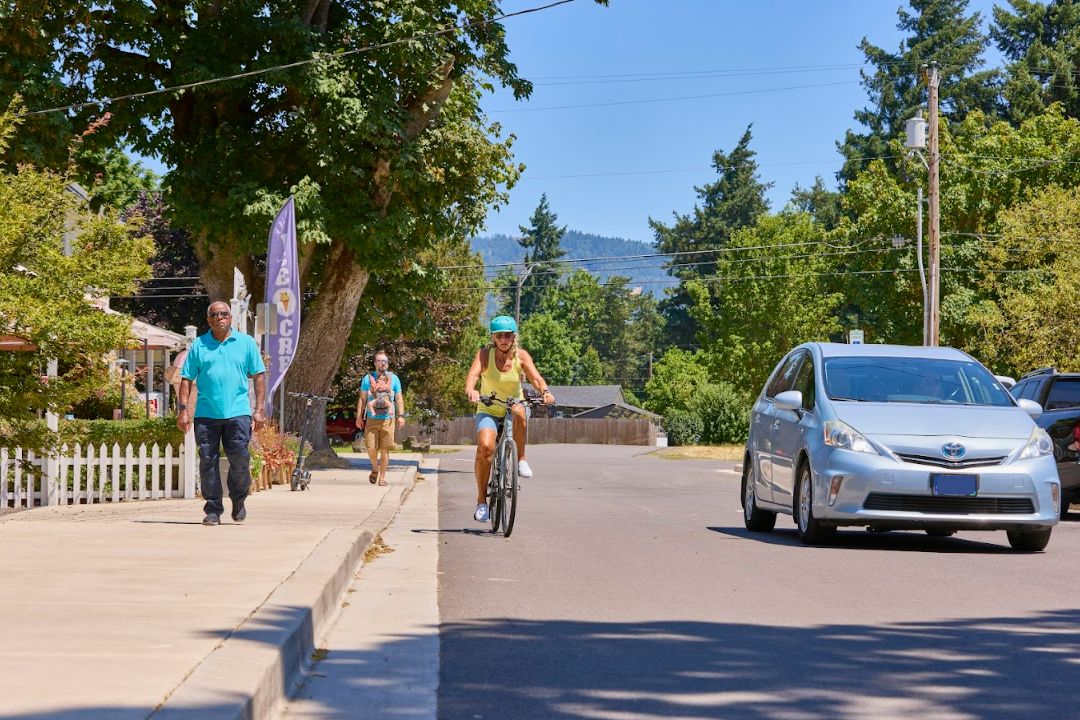
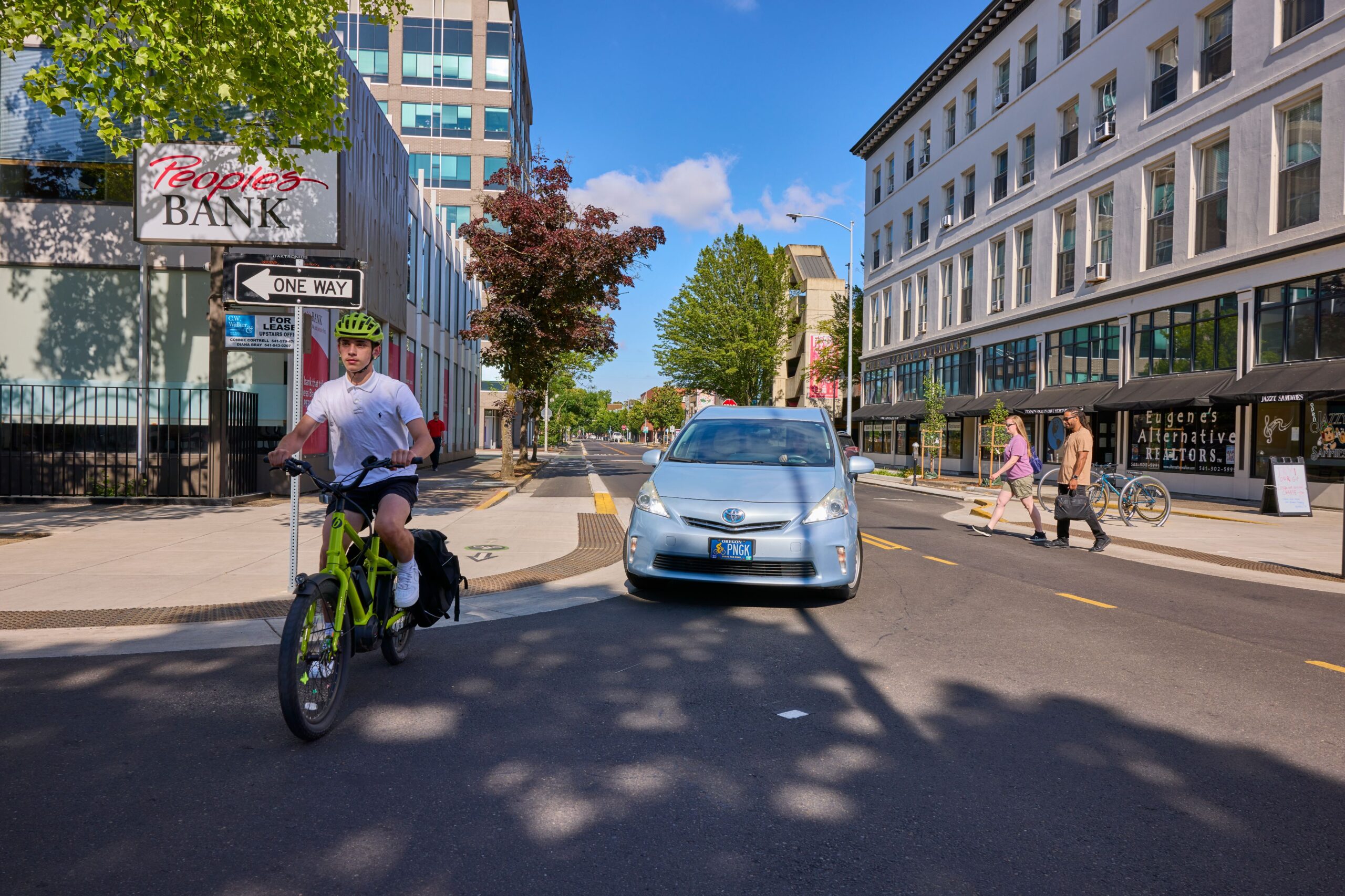
Urban environments brim with activity. You’ll encounter people biking using dedicated lanes, people walking at crosswalks, and people using mobility devices navigating streets.
Key urban driving tips:
- Maintain a speed that allows you to anticipate and safely respond to people walking, biking, or entering the roadway
- Give people biking plenty of space
- Never block bike lanes
- Watch for people rolling in wheelchairs or mobility scooters
- Double-check mirrors before turning
- Signal turns 100 feet in advance
Parking Challenges
Paid lots and street meters fill up fast around popular destinations. Use parking apps to find spots and pay digitally.
Never leave valuables visible in your car. Portland sees thousands of vehicle break-ins annually targeting visible electronics and bags.
Remember parking rules:
- Stay 15 feet from fire hydrants
- Keep 20 feet from crosswalks
- Fines can exceed $100
Preparing for Scenic and Remote Routes
Plan for Limited Connectivity
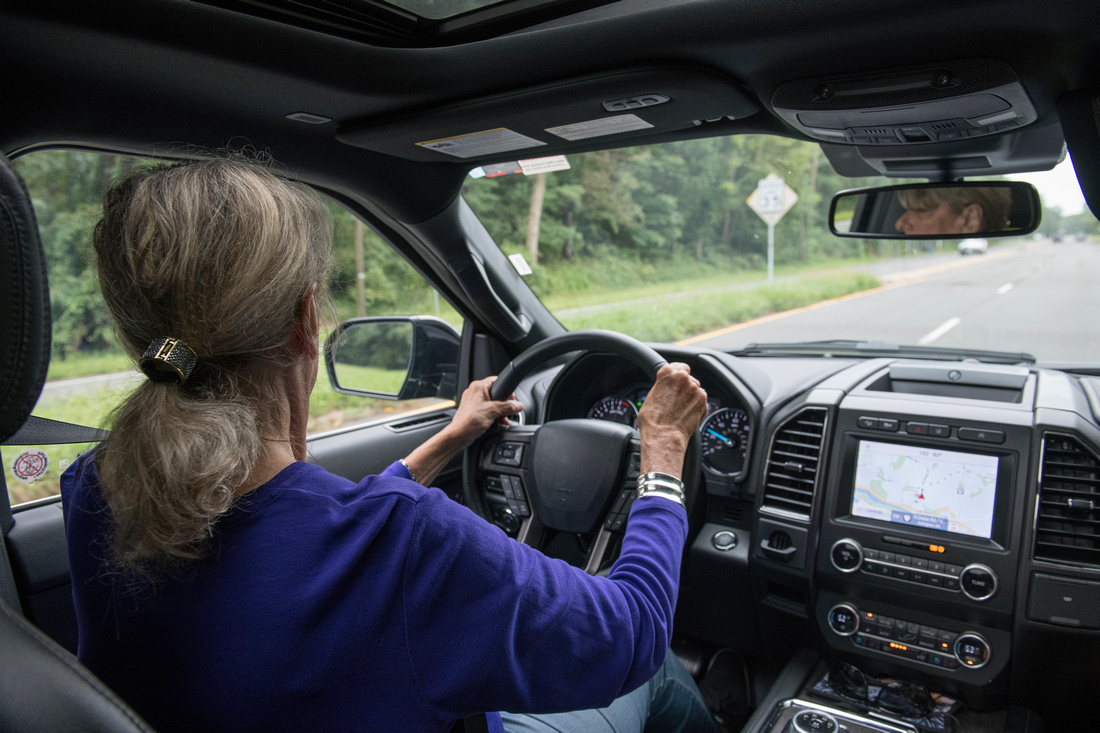
Cell coverage becomes spotty in remote areas. Download offline maps before leaving populated zones. Carry a physical map as backup.
The Historic Columbia River Highway and Pacific Coast Scenic Byway offer stunning views but demand extra vigilance.
Vehicle Preparation Essentials
Check these before heading into remote areas:
- Tire condition and pressure (aim for 4/32 inch tread depth)
- All fluid levels (oil, coolant, brake fluid)
- Lights and signals
- Windshield wipers
- Full gas tank
Pack an Emergency Kit
Include these essentials:
- Jumper cables
- Flashlight with extra batteries
- Reflective triangles
- Basic tools
- Water and non-perishable snacks
- First aid supplies
- Blankets (for winter travel)
Think of it like camping. Weather changes fast and services are sparse on backroads.
Preparation prevents emergencies, but knowing who to contact when trouble strikes gives you peace of mind.
Drive Oregon’s Roads with Safety and Confidence
Oregon’s stunning landscapes demand respect and preparation. From sudden weather changes to wildlife crossings, from understanding traffic laws to navigating around vulnerable road users, safe driving starts with being informed.
Whether you’re exploring the coast, venturing into mountains, or navigating cities like Portland or Eugene, the right preparation protects you and everyone sharing Oregon’s roads.
Learn Local Practices Before You Arrive
The Oregon Friendly Driver Course provides comprehensive, Oregon-specific driver education. This free, ODOT-supported program equips you with knowledge to handle the state’s unique challenges confidently while building awareness and respect for all road users.
Available throughout Oregon, from urban centers to remote communities, this program serves every corner of the state. It’s education for people-centered roadways.
Take action today:
Enroll now in the OFD Course. Complete this free online course in about 75 minutes from anywhere, at your own pace. Gain a certificate and the confidence to drive Oregon’s roads safely around people walking, biking, and rolling.
Sign up for a training session. Prefer in-person learning? Schedule a training session available throughout Oregon. Perfect for families, tour groups, or anyone who benefits from interactive instruction.
Don’t wait until you’re already on the road. Invest 75 minutes now to protect yourself and others for your entire trip.
Act like a local. Learn how to drive around people walking, biking, and rolling. Your Oregon adventure deserves to be remembered for breathtaking views and incredible experiences, not preventable crashes.
Let Oregon Friendly Driver prepare you for the journey ahead.