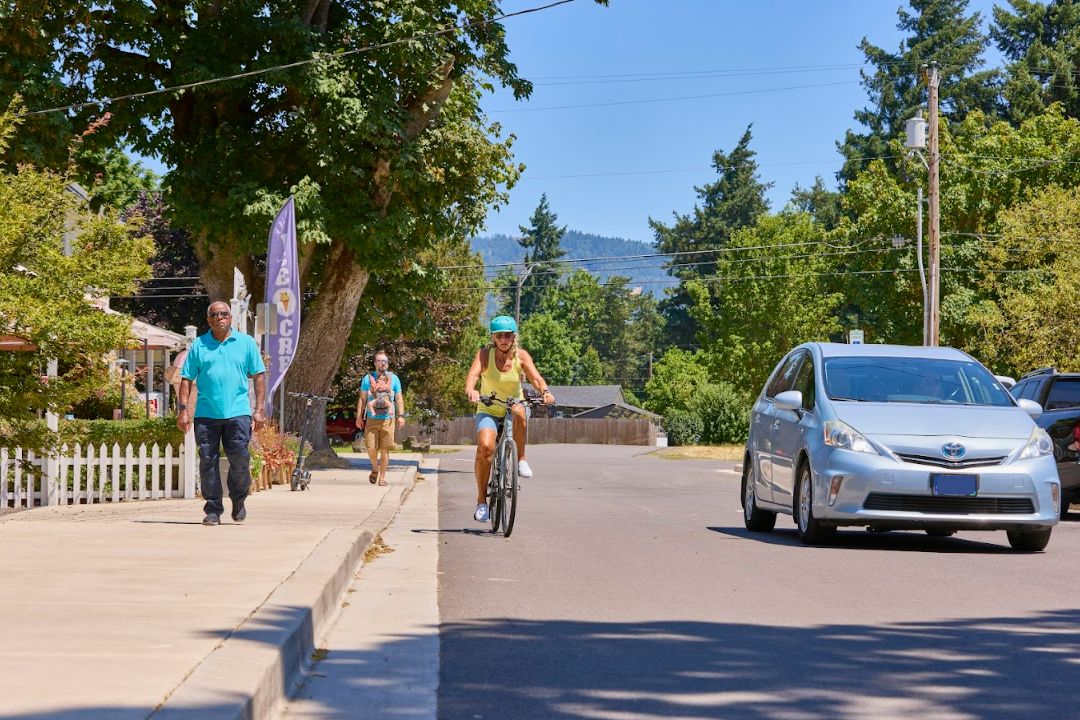
When most people think about road safety, they picture cars and maybe bicycles. But the reality is that many others share our streets too. These vulnerable road users include people walking, people biking, motorcyclists, scooter riders, and even those in wheelchairs.
They face unique dangers that often go unnoticed. Whether you’re a new driver or looking to refresh your skills through a comprehensive safe driving course in Oregon, recognizing vulnerable road users is essential. Let’s explore why it’s so important to think beyond just cars when protecting lives on the road.
Who Are Vulnerable Road Users?
Vulnerable Road Users (VRUs) include anyone sharing the road without a vehicle’s protective shell. This covers a wider range than most people realize.
The Full Spectrum of VRUs
Traditional VRUs:
- People walking of all ages
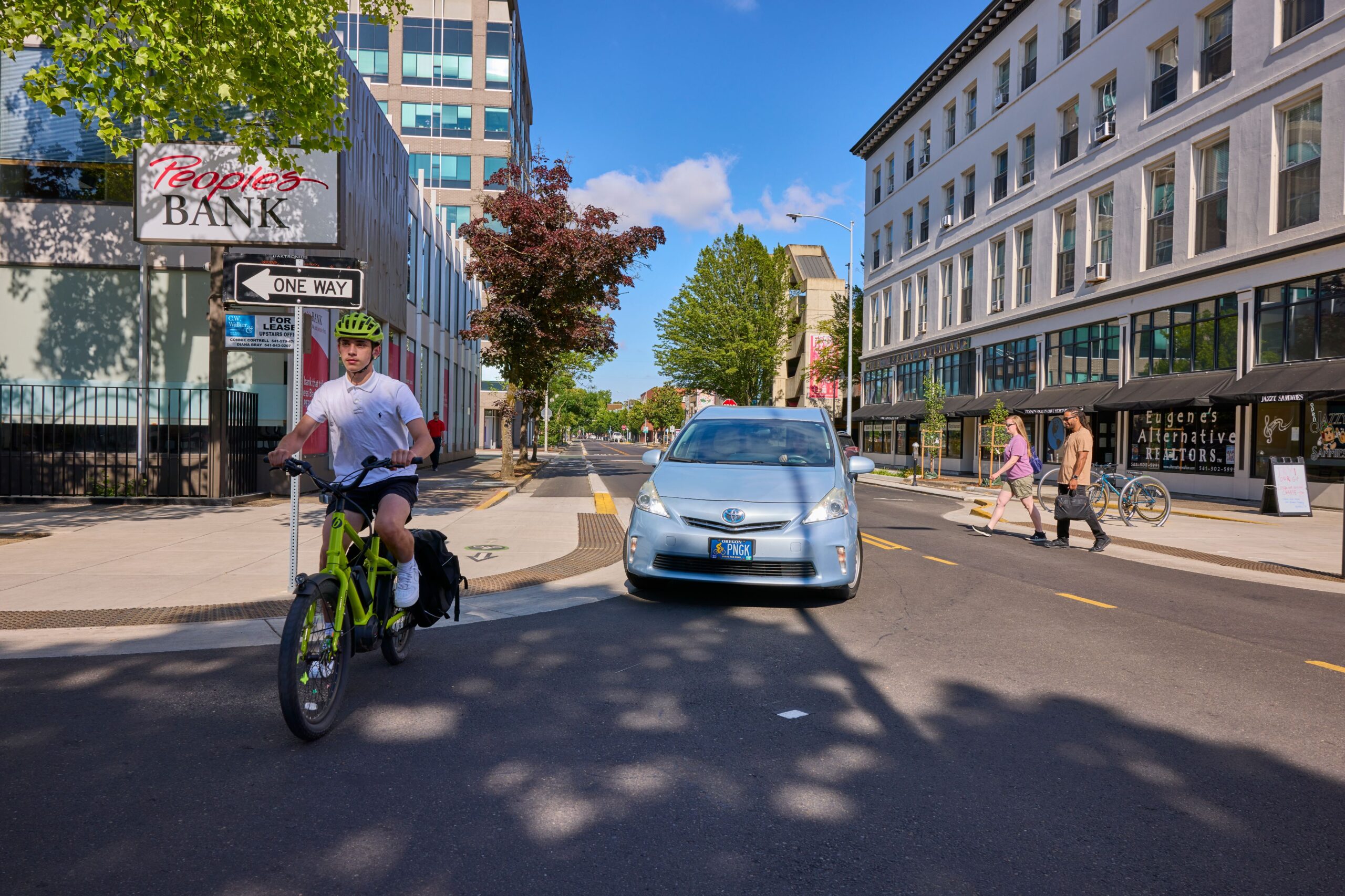
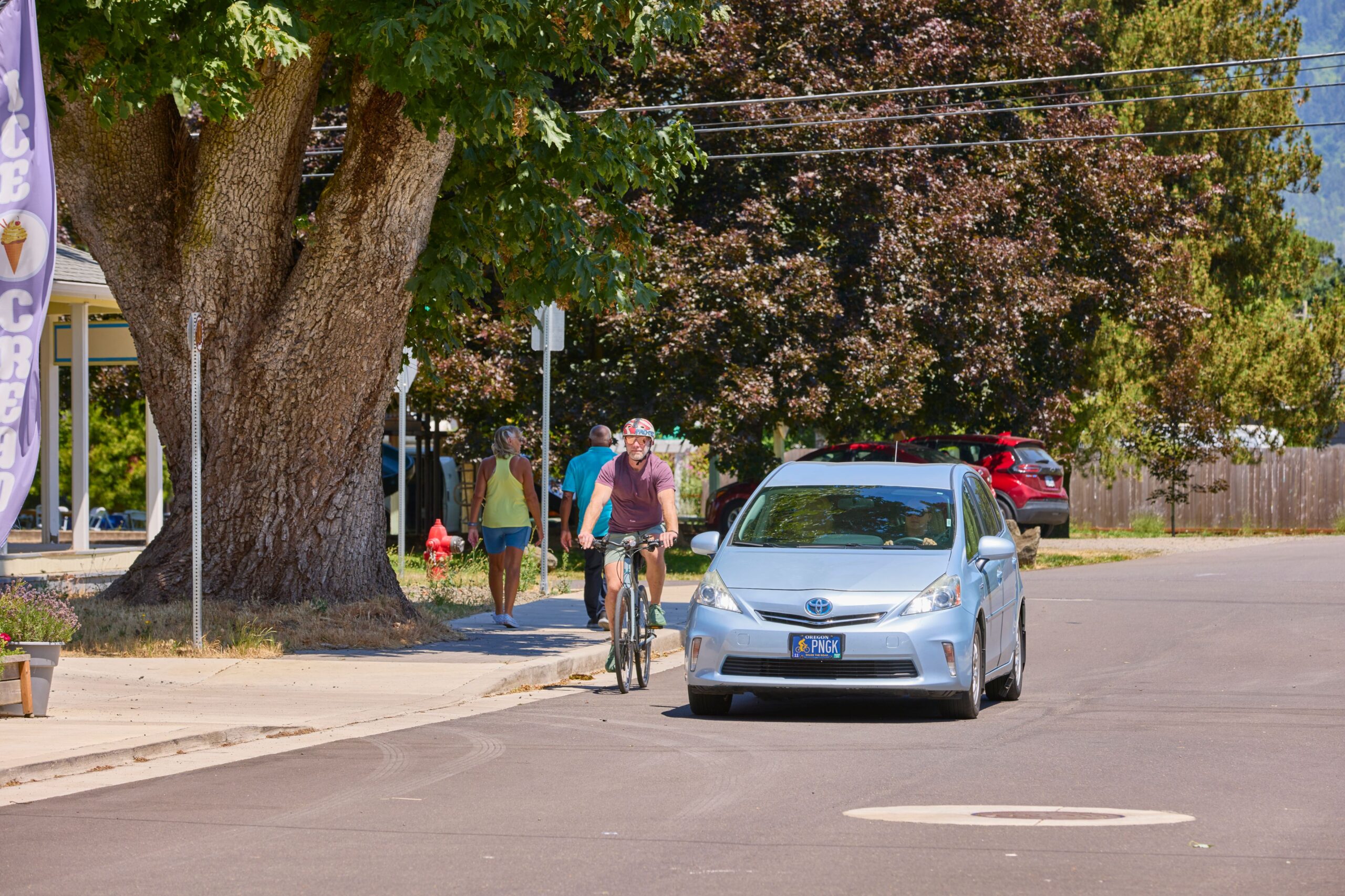
- People biking
- Motorcyclists
Often Overlooked Groups:
- E-scooter and e-bike riders
- People rolling (wheelchairs or mobility scooters)
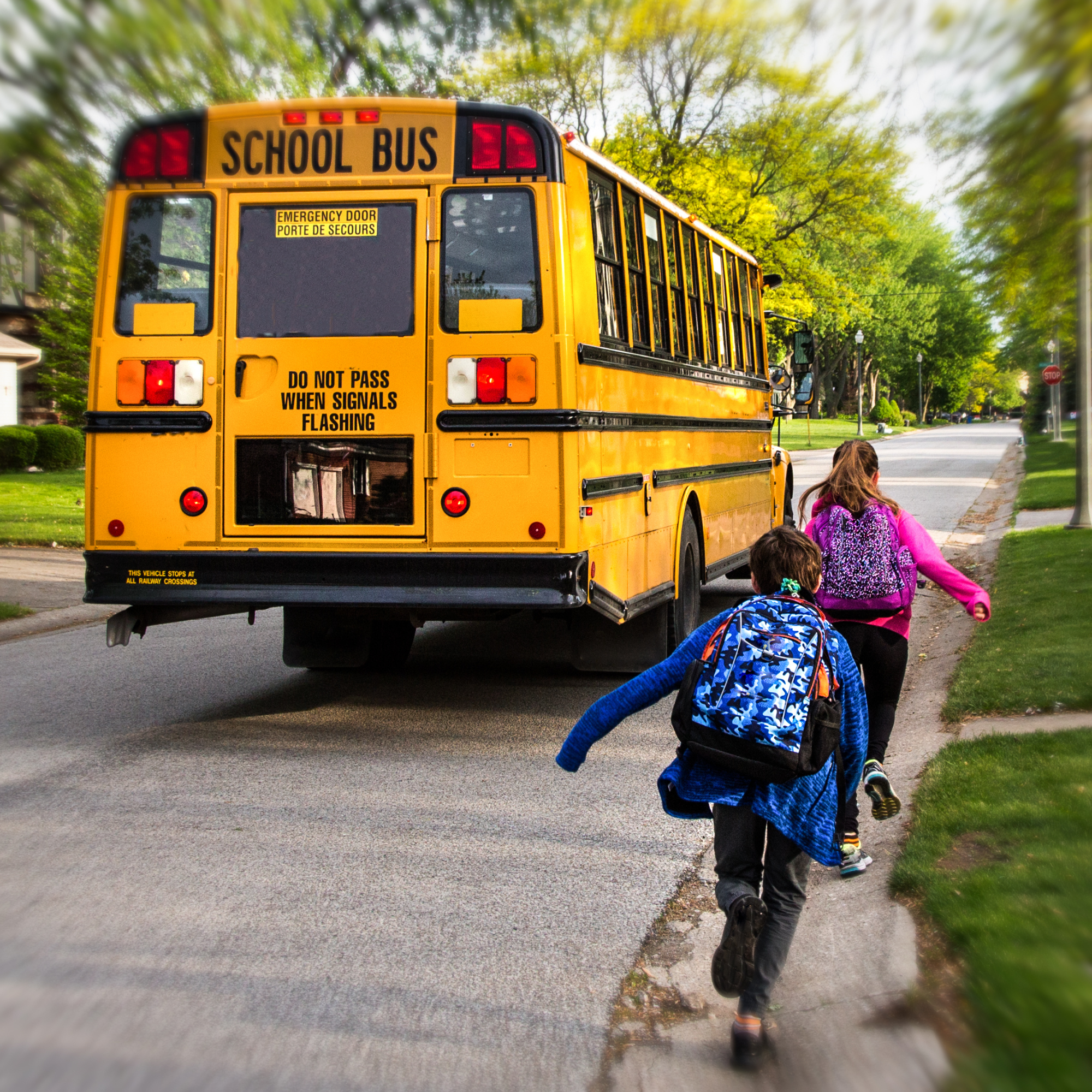
- Children walking to school
- Elderly individuals with slower reflexes
- Delivery workers on bikes
The common thread? Exposure. Unlike drivers protected by steel frames and airbags, these users navigate traffic with minimal physical defense. This makes them especially susceptible to severe injuries in crashes.
Understanding the Numbers
Statistics reveal the scope of VRU vulnerability:
- People walking make up nearly 25% of road fatalities in Oregon
- Motorcyclists account for nearly 28% of Oregon road fatalities
- Nearly 50% of fatalities for people walking happen after dark
- Women face 17% higher injury risk in VRU crashes
These numbers shift based on location. Urban areas see more VRU casualties due to dense traffic. Rural crashes happen less often but tend to be deadlier because of higher vehicle speeds.
These varying risk levels depend heavily on where VRUs navigate, from Portland’s busy streets to rural Oregon highways.
Urban vs. Rural: Different Dangers
Urban Challenges in Oregon Cities
Cities like Portland, Eugene, and Salem create complex environments where VRUs must constantly navigate shifting traffic patterns.
Key Urban Risk Factors:
- High traffic density and mixed vehicle types
- About 60% of crashes involving people walking occur at intersections
- People driving and ignoring stop signs or crosswalks
- People driving delivery vehicles and people biking weaving through traffic
- Psychological stress from constant vigilance
The solution requires thoughtful urban planning, community awareness and education. Enhanced signal timing, improved lighting, and traffic-calming features like speed bumps help. But most importantly, drivers need to see VRUs as fellow travelers, not obstacles.
Rural Road Realities
Oregon’s rural highways present entirely different challenges.
Rural Risk Factors:
- Only 20% of rural roads have sidewalks or bike lanes
- Speed limits typically range from 55-65 mph
- 40% of all VRU deaths occur in rural areas
- 70% of rural VRU fatalities happen at night
- Emergency response times often exceed 30 minutes
For VRUs in rural settings, visibility becomes critical. Reflective clothing isn’t optional. It’s essential for survival. Drivers must provide extra passing space and reduce speeds near popular walking or cycling corridors.
Understanding these environment-specific risks helps us recognize the daily challenges VRUs face statewide.
Daily Road Challenges for VRUs
Every day, vulnerable road users navigate hazards that go beyond simply sharing space with vehicles.
The Reality at Intersections
Consider a person walking at a crosswalk. They must rely on:
- Designated signals
- Driver willingness to yield
- Making persistent eye contact
- Timing crossings precisely with walk signals
Many drivers approach intersections with haste and minimal attention. This forces people walking into defensive postures, treating street crossings like navigating traffic themselves.
Environmental Hazards
Infrastructure gaps create additional risks:
- Poorly designed intersections with inadequate signage
- Narrow sidewalks forcing people walking near traffic lanes
- Bike lanes that suddenly end
- Bike paths obstructed by parked cars
- Construction zones without clear detours
The Numbers Don’t Lie
- 70% of VRU crashes happen near intersections
- Nighttime fatalities are 2.5 times higher than daytime
- Poor lighting and lack of reflective gear compound risks
“Safety isn’t just about laws. It’s about designing space so everyone feels secure.”
While infrastructure and personal habits matter, lasting change requires educated drivers throughout Oregon.
Why Oregon Friendly Driver Training Makes a Difference
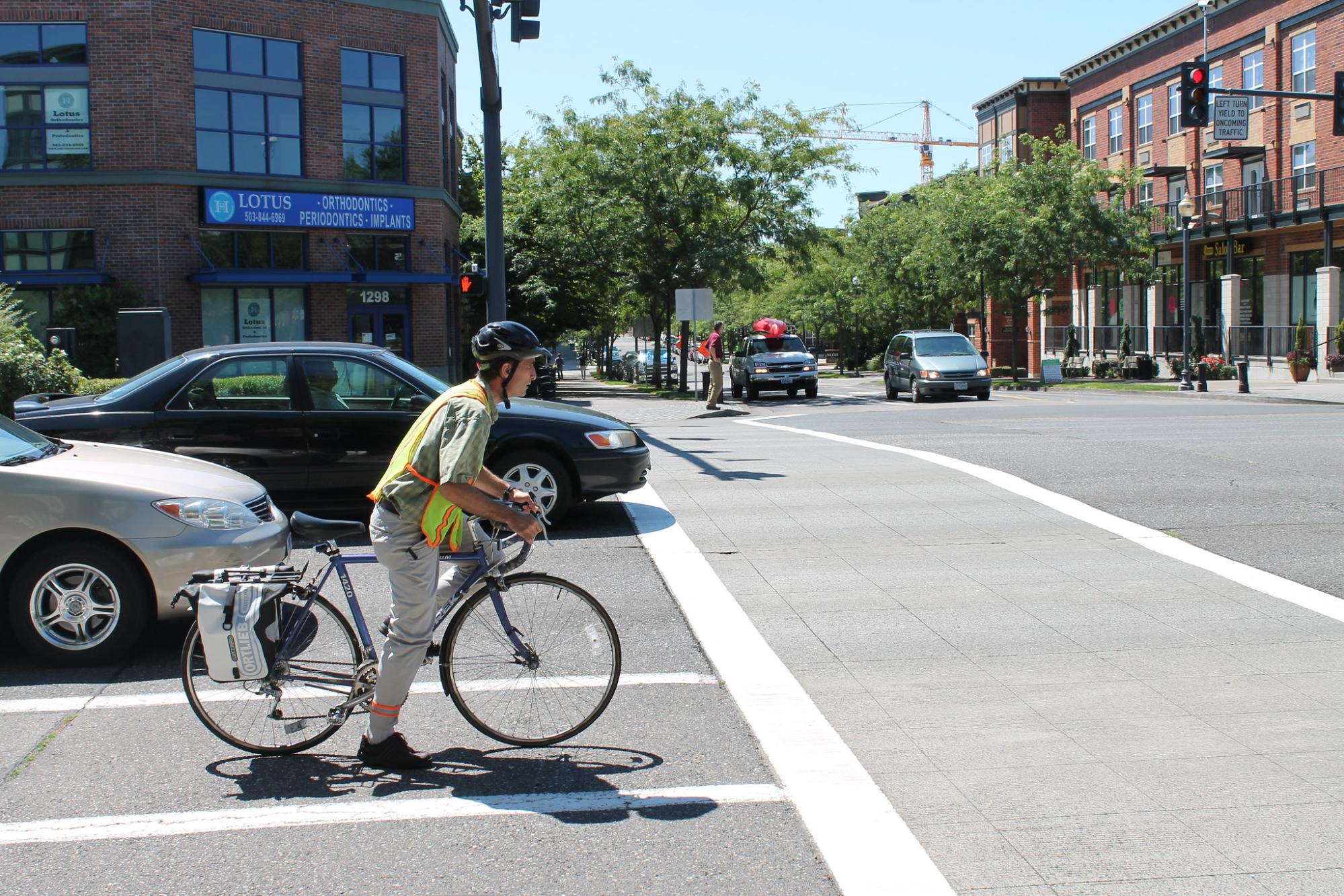
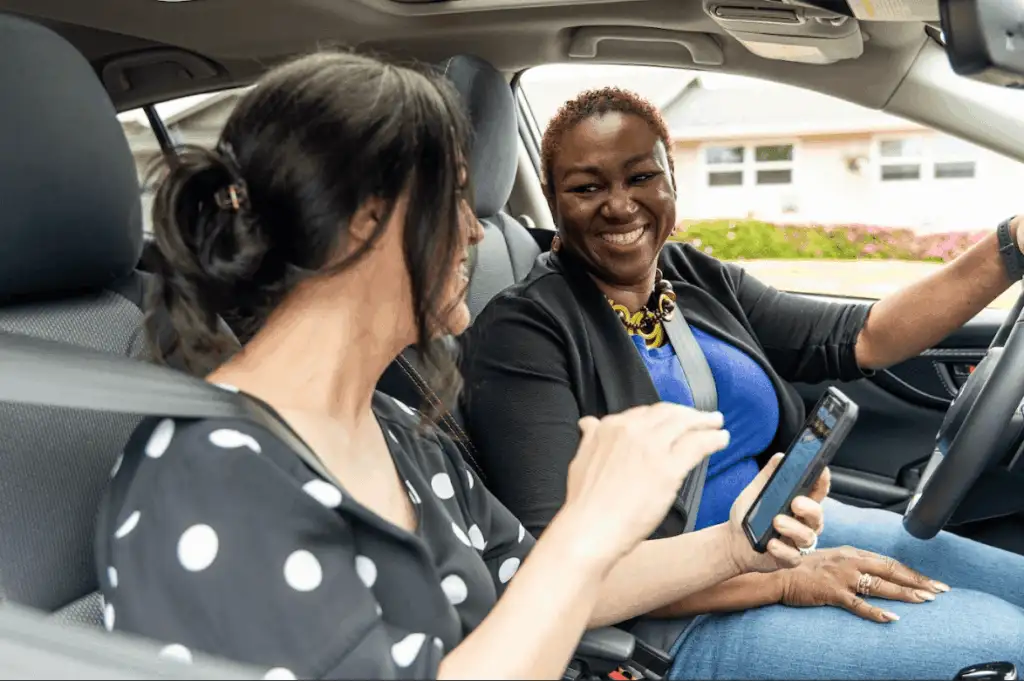
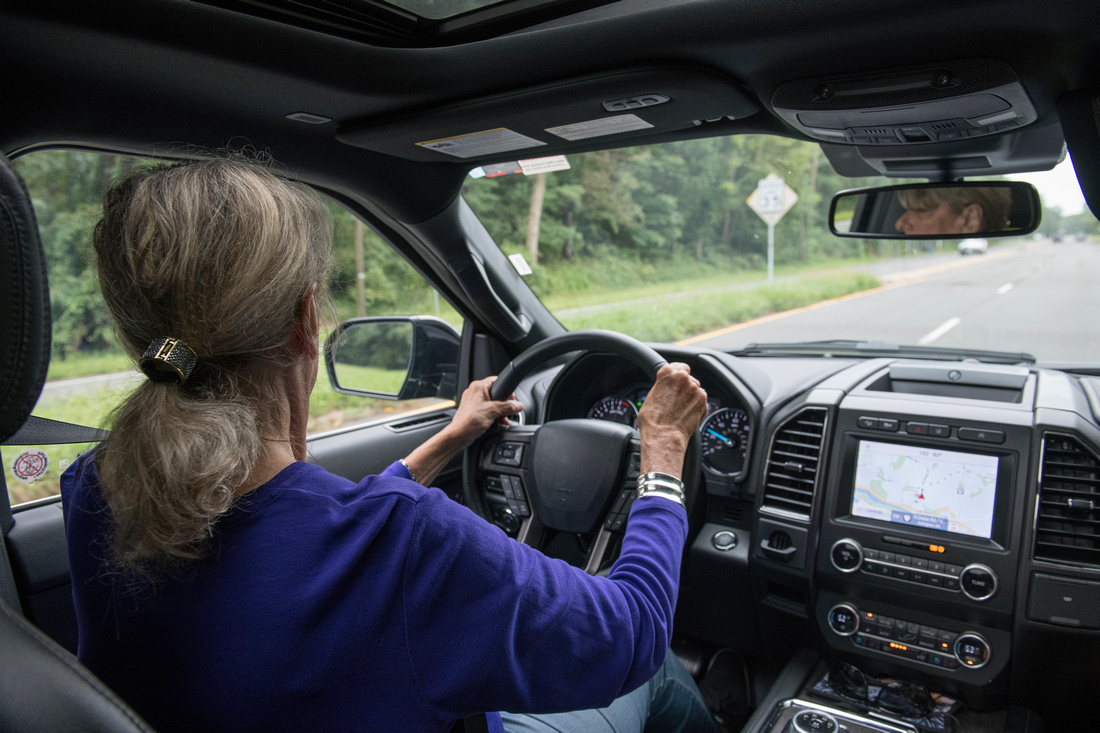
Driving isn’t just about controlling a vehicle. It’s about understanding everyone sharing the road. That’s where specialized VRU safety training becomes essential.
The Oregon Friendly Driver Course, funded by the Oregon Department of Transportation (ODOT) and administered by Commute Options, takes VRU safety seriously. Since 2017, this free program has helped drivers across Oregon understand how to recognize, respect, and safely navigate around all vulnerable road users.
The course addresses a critical need. Vulnerable road users accounted for 18.3% of traffic fatalities in Oregon between 2017 and 2021. Through education and awareness, we can change these numbers.
What Makes This Training Effective:
- Scenario-based learning (night crossings, sudden maneuvers by people biking)
- 60% better retention than traditional lecture formats
- Focuses on practical, real-world situations
- Covers urban and rural Oregon environments
- Available as live webinars, online courses, and in-person classes
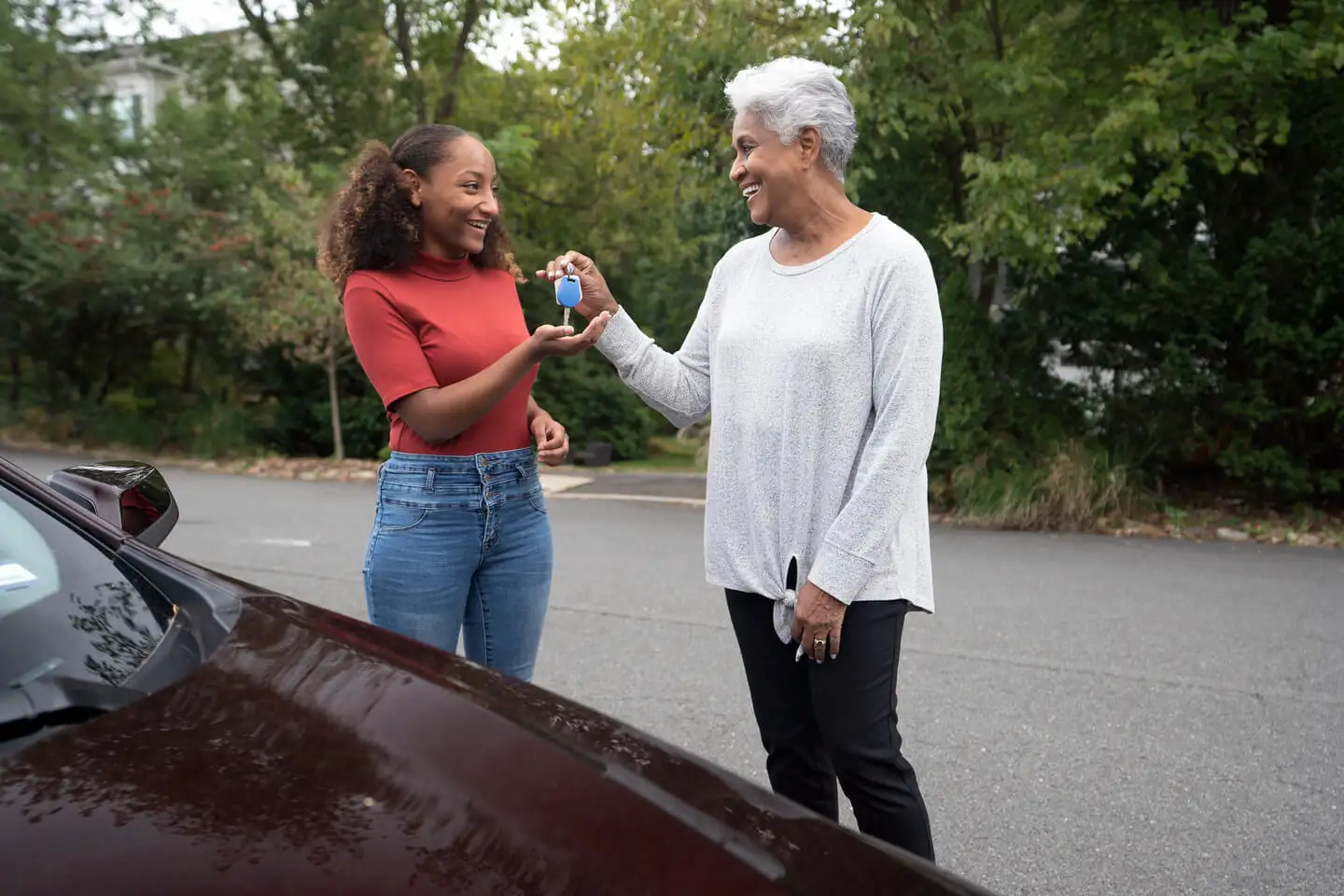
Whether you’re a teen earning your first license, a parent or caregiver modeling safe habits, or a professional driver, this ODOT-funded training provides essential knowledge.
Building Confidence Through VRU Education
The OFD Course goes beyond basic licensing requirements. It clarifies laws and infrastructure for all people driving, walking, rolling, and biking. This comprehensive approach helps drivers:
- Navigate complex intersections safely
- Understand right-of-way for people walking and rolling
- Recognize micro-mobility users like e-scooter riders
- Adjust driving behavior in different environments
- Build confidence through knowledge
Proven Results
Research backs comprehensive VRU training:
- 40% reduction in near-miss incidents
- 25% decrease in crashes involving people walking for newly trained drivers
VRU safety training isn’t a one-time fix. It’s an ongoing commitment that requires reinforcement through refresher courses and consistent community messaging.
This training provides the foundation, but each driver must put this knowledge into daily practice on Oregon’s roads.
Protect Oregon’s Vulnerable Road Users Today
Every time you drive in Oregon, you share the road with people whose safety depends on your awareness and skill. From people walking in Salem to people biking in Eugene, from elderly residents rolling in Bend to e-scooter riders in Portland, they’re counting on you.
Education for People-Centered Roadways
Oregon Friendly Driver Course offers ODOT-certified training that teaches you how to recognize and protect vulnerable road users statewide. This free program, funded by the Oregon Department of Transportation and administered by Commute Options, provides accessible education for all drivers.
Whether you’re a new driver building confidence, a senior refreshing your skills, or a business protecting your team, the OFD has you covered. Enroll now in our free online course (under 90 minutes, available 24/7), or schedule team training for flexible group sessions across Oregon. Join thousands of Oregonians committed to safer roads.
Don’t wait for a close call. Join thousands of Oregonians committed to safer roads. Together, we can protect our most vulnerable neighbors and create a driving culture built on respect, awareness, and responsibility.