Lead by Example. Teach Safety. Drive Friendly.
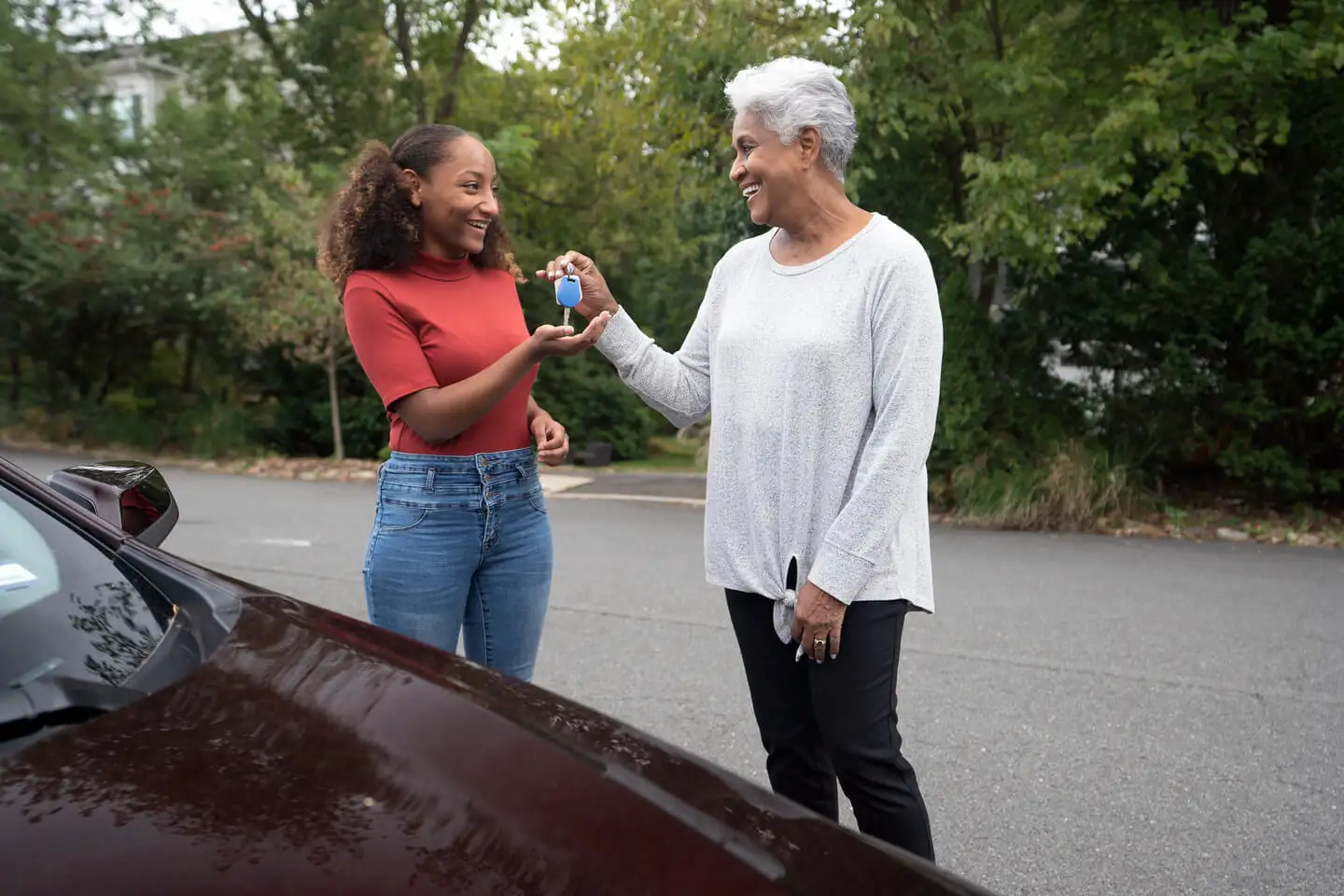
Learning to drive is a big moment for teens and parents alike, but it’s natural to feel worried. What if they don’t pay attention? What if they take risks behind the wheel? You’re not alone in these concerns, and here’s the good news: your involvement makes all the difference. Teen safe driving habits start long before your teen gets their license, with the example and guidance you provide every step of the way.
Beyond traditional driver education, a safe driving class for teens in Oregon like the Oregon Friendly Driver course can complement what your teen learns about vehicle operation by teaching them how to protect vulnerable road users. When parents combine role modeling, open communication, supervised practice, and comprehensive safety education, they create the foundation for responsible driving habits that last a lifetime and help make Oregon’s roads safer for everyone.
Your Influence on Teenage Driving
Your influence as a parent isn’t just about what you say. It’s wrapped up in everything you do while driving. Your teen watches closely, absorbing how you handle stress in traffic, respond to distractions, or respect speed limits. These silent lessons shape their behavior far more powerfully than any lecture.
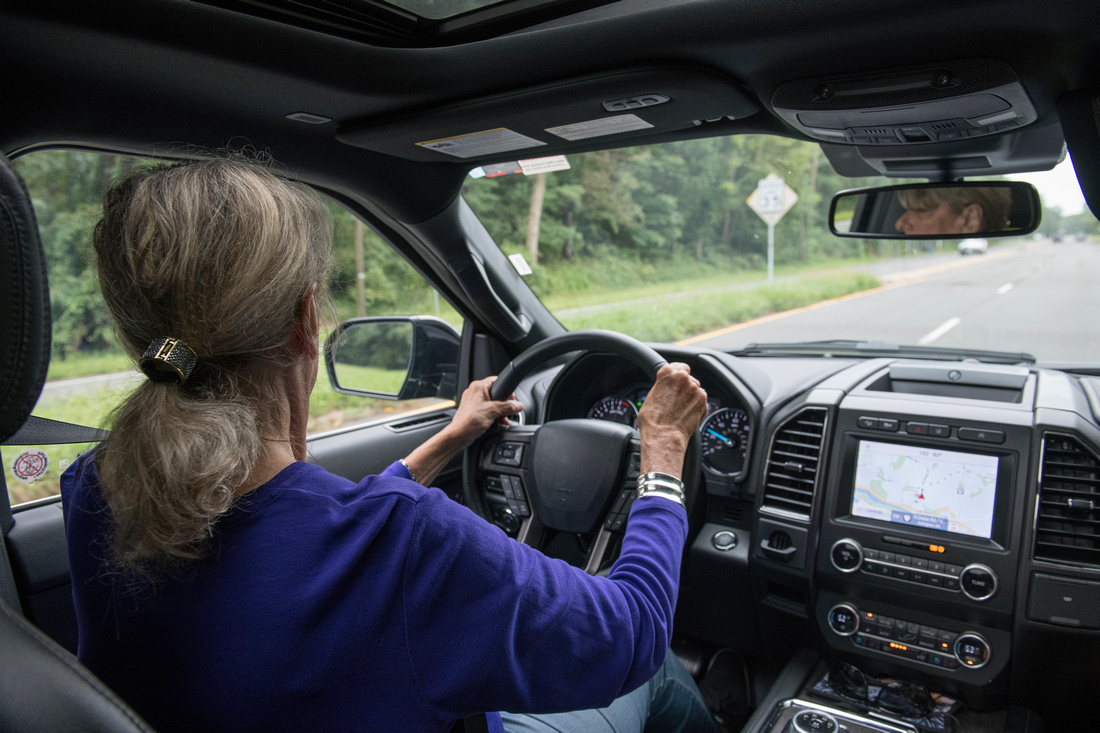
When you routinely check mirrors, avoid aggressive maneuvers, and stay calm behind the wheel, these behaviors become a template for your teen. They internalize not only the mechanics of driving but also the habits that keep everyone safe, including people walking, people biking, and others sharing Oregon’s roads.
Research shows that parental engagement during supervised driving cuts crash risk by 40%. Here are practical ways you can reinforce safe habits:
- Model consistent seatbelt use every trip
- Always come to complete stops at stop signs
- Keep speeds appropriate for conditions
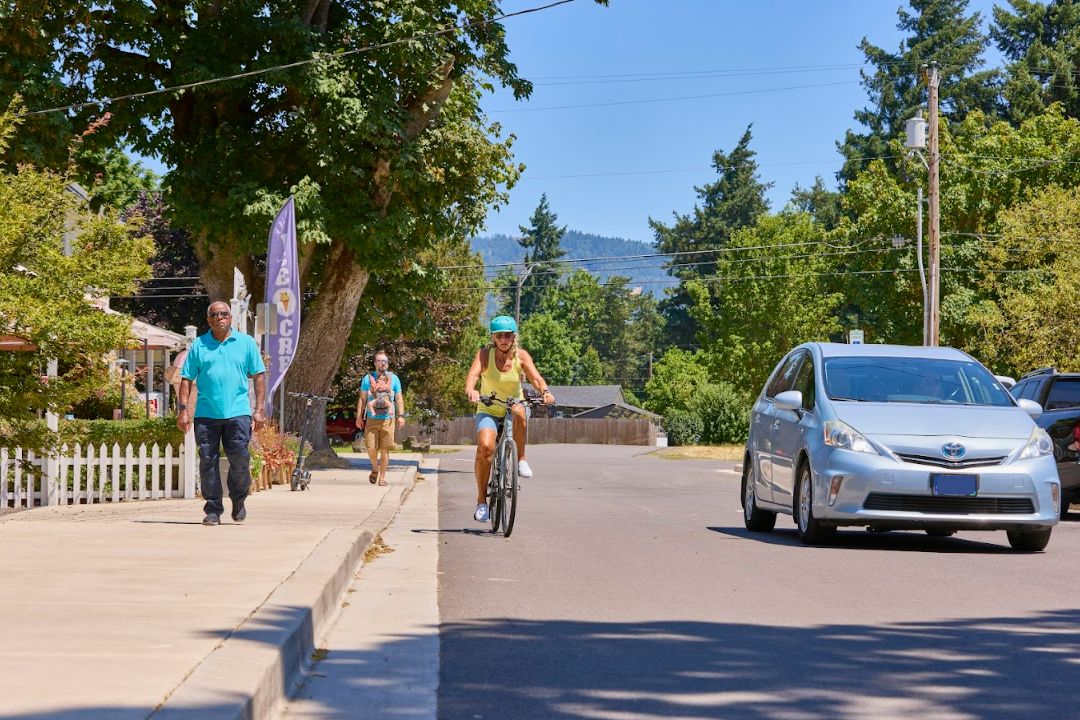
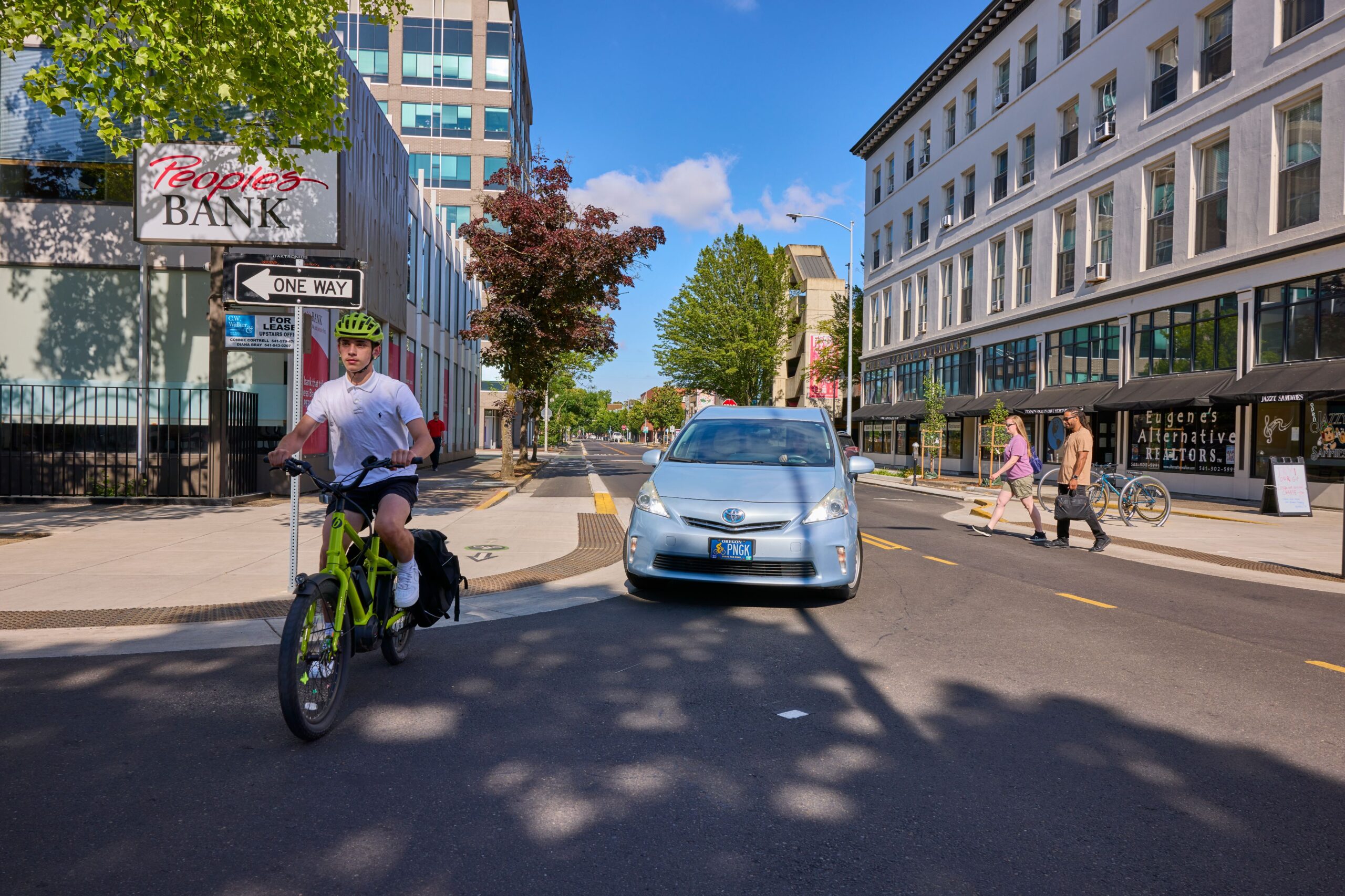
- Watch for people walking and biking, especially in Oregon’s active communities
- Communicate clearly with signals and eye contact
- Admit mistakes openly and explain what you’ve learned
This continuous demonstration builds trust with your teen and conveys that safe driving is a shared value. Teens are more likely to discuss challenges they face on the road when they see you practicing what you preach.
The Critical Gap in Traditional Driver Education
Traditional driver education does an excellent job teaching teens how to operate a vehicle: steering, braking, navigating intersections, and understanding traffic laws. These are essential skills that prepare teens to pass their driver test and handle basic driving scenarios.
But there’s a critical gap.
Most driver education programs focus primarily on the mechanics of driving and the rules of the road. What’s often missing is comprehensive education about protecting the most vulnerable people who share our roads. People walking, people biking, people rolling, and those with disabilities who navigate Oregon’s streets every day.
Between 2017 and 2021, vulnerable road users accounted for 18.3% of all traffic fatalities in Oregon. These aren’t just statistics. They’re neighbors, students, parents, and community members. Many of these tragedies could be prevented with better driver awareness and understanding.
This is where your role as a parent becomes even more crucial. While driver education teaches your teen the “how” of driving, you can ensure they also learn the “why” behind protecting everyone on the road.
Why the OFD Course Matters For Teen Safe Driving in Oregon
In response to Oregon’s rising traffic fatalities, the Oregon Department of Transportation (ODOT) has funded the Oregon Friendly Driver program since 2017. Managed by Commute Options with partners statewide, this program addresses the critical gap in standard driver training by focusing specifically on protecting vulnerable road users.
The Oregon Friendly Driver course (OFD Course) goes beyond driver education to teach awareness, respect, and practical skills that standard driver training often overlooks. It’s not about replacing driver education. It’s about completing your teen’s safety education with the knowledge they need to navigate Oregon’s roads responsibly.
Key benefits for teen drivers:
- 100% free and accessible (funded by ODOT, no cost to families)
- Takes under 90 minutes online (also available as live webinars and in-person classes)
- Official ODOT certification demonstrating community responsibility
- Focuses on protecting vulnerable road users including people walking, biking, and rolling
- Parent-teen collaboration encouraged (take the course together)
- Potential insurance discounts (check with your provider)
- Addresses real Oregon scenarios from Eugene’s cycling culture to Portland’s busy pedestrian areas
The course covers critical topics like:
- Understanding vulnerable road user laws and rights
- Safe passing distances for people biking
- Yielding properly to people walking
- Navigating around micro-mobility devices (e-scooters, e-bikes)
- Recognizing and respecting the needs of people with disabilities
- Building awareness of blind spots and sightlines
Teaching teens early to recognize and respect vulnerable road users creates habits that last a lifetime and directly contributes to reducing crashes, injuries, and fatalities on Oregon’s roads.
How to Make OFD Part of Your Teen’s Driver Education
Integrating the Oregon Friendly Driver course into your teen’s learning journey is simple and highly effective. Here’s how to make it a meaningful part of their driver education:
Enroll Early in the Process
Don’t wait until your teen has their license. Enroll them in the OFD Course when they’re starting driver education or practicing with their learner’s permit. This ensures that vulnerable road user awareness becomes part of their foundational driving knowledge, not an afterthought.
Take the Course Together
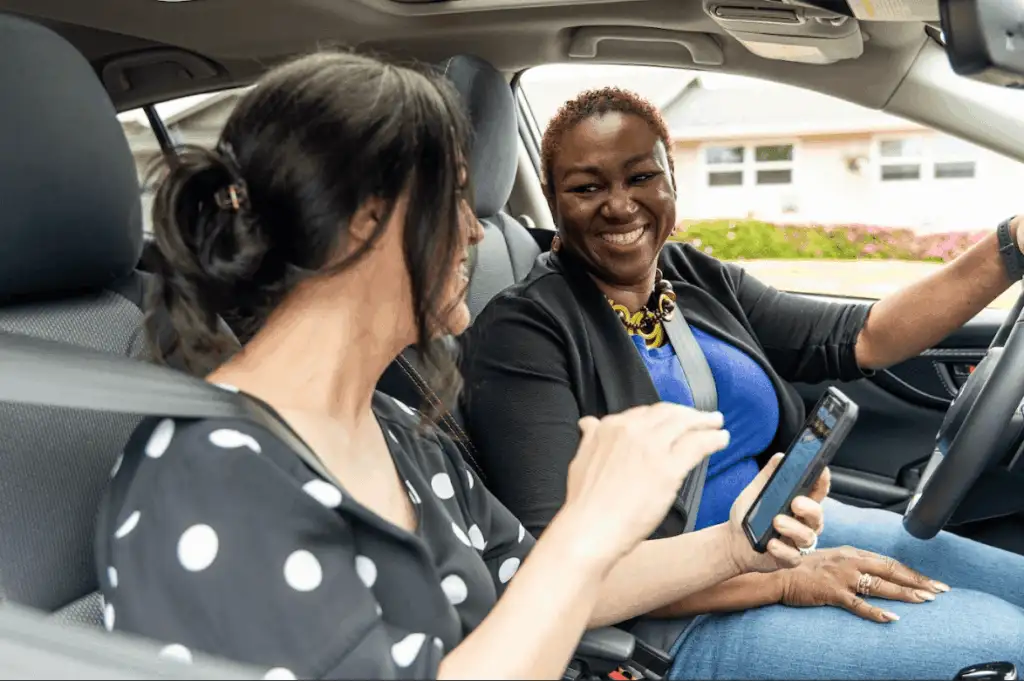
One of the most powerful ways to reinforce safety education is to take the OFD Course alongside your teen. This approach:
- Models lifelong learning and shows that safety education never stops
- Opens natural conversations about protecting vulnerable road users
- Gives you shared language and concepts to reference during practice drives
- Demonstrates that you hold yourself to the same standards you expect from them
Make It a Non-Negotiable Requirement
Just as you require your teen to complete driver education and pass their driver test, make OFD certification a non-negotiable part of their path to independent driving. Consider including it in a written family driving agreement where you establish clear expectations around:
- Completing OFD certification before solo driving privileges
- Zero tolerance for phone use while driving
- Specific rules about nighttime driving and passengers
- Consequences for breaking family driving rules
By positioning OFD as essential rather than optional, you reinforce that protecting vulnerable road users isn’t a suggestion. It’s fundamental to being a responsible driver.
Use OFD Concepts During Practice Drives
The OFD Course provides the knowledge; supervised practice provides the application. During your practice sessions with your teen:
- Actively point out people walking, biking, and rolling
- Discuss safe passing distances when approaching people on bikes
- Practice checking blind spots specifically for vulnerable road users
- Narrate your own thinking: “I’m slowing down because I see someone walking ahead who might step into the crosswalk”
- Debrief after each drive: “What vulnerable road users did you notice today? How did you adjust your driving?”
This real-world reinforcement helps teens internalize OFD lessons and builds confident, aware drivers who instinctively watch for and protect others.
Create Conversation Opportunities
After your teen completes the OFD Course, engage them in meaningful discussions:
- “What was the most surprising thing you learned?”
- “Have you noticed any vulnerable road user situations we discussed in the course?”
- “How will what you learned change how you drive in our neighborhood?”
These conversations show you value their learning and help cement the concepts in their memory.
Building Skills Through Supervised Practice

Supervised driving practice remains one of the most effective ways to develop responsible teen drivers. Aim for at least 50 hours of supervised driving before independent driving, with 10 of those hours at night. Teens who complete this level of practice see a 20-40% reduction in crash risk.
Focus your practice sessions on variety and real-world conditions:
Diverse environments: Start in empty parking lots, progress to quiet residential streets, then busier roads and highways during off-peak hours. Include both daytime and nighttime driving so your teen experiences how visibility changes affect their ability to see people walking and biking.
Weather conditions: Oregon’s climate varies from coastal rain to mountain snow. Practice in gentle rain, discuss how to adjust speed and following distance, and explain what to do in more severe conditions.
Vulnerable road user awareness: Make this a focal point of every practice session. Actively point out people walking, biking, and rolling. Discuss safe passing distances, proper yielding, and checking blind spots. Ask your teen to identify potential hazards: “Do you see that person on the bike ahead? What should you do?”
During all sessions, remain calm and offer constructive feedback paired with encouragement. Your patient, supportive approach builds your teen’s confidence while reinforcing the safety skills they learned in the OFD Course.
Complete Your Teen’s Safety Education: Enroll in Oregon Friendly Driver Today
You’ve committed to being a role model and planning supervised practice. Now complete your teen’s safety education with the Oregon Friendly Driver course.
Here’s what happens next:
- Enroll your teen in the free online course (or sign up together)
- Complete the free online course in under 90 minutes
- Sign up for the live webinars and in-person classes/training
- Receive official ODOT certification
- Apply the lessons during supervised practice
Make Oregon Friendly Driver part of your teen’s driver education today. Enroll now or sign up for a training at Oregon Friendly Driver!
Lead by example. Teach safety. Drive friendly.