Driving represents freedom and independence for older residents across Oregon. Whether it’s a trip to the farmer’s market in Eugene, a visit to grandchildren in Portland, or a scenic drive through Bend, staying mobile means staying connected to community and loved ones. But Oregon’s roads are changing. New bike lanes, increased e-scooter use, and evolving traffic patterns around people walking and rolling require all drivers to stay informed and aware.
That’s where Oregon Friendly Driver’s group training sessions create something special. When older drivers come together to learn how to safely navigate Oregon roads with vulnerable road users, they discover they’re not alone in wanting to stay safe, confident, and community-minded behind the wheel.
The Power of Learning Together
When older residents gather for Oregon Friendly Driver training, something meaningful happens beyond the curriculum. Participants find themselves in a room with neighbors who share similar values: a commitment to safety, respect for all road users, and a desire to drive responsibly through Oregon communities.
“I thought I’d be the only one concerned about all the new bike lanes downtown,” shares Margaret, a 68-year-old participant from Salem. “But everyone in my group wanted to understand the rules better. We learned together, asked questions together, and left feeling like we were part of making our streets safer.”
This shared experience transforms education into community building. Research shows that peer learning environments can improve information retention by up to 25%. When someone shares a real story about navigating a busy crosswalk or yielding to a person on an e-scooter, that lesson sticks in ways that solo learning cannot match.
Building Confidence Through Connection
Many seniors initially worry about asking questions or admitting uncertainty about new traffic patterns. Group settings dissolve these concerns quickly. When one person asks about protected bike lane rules, others nod in recognition. When someone shares confusion about crosswalk yielding laws, the entire group benefits from the instructor’s clarification.
“I didn’t realize how much I needed to update my knowledge about navigating the road with people biking,” says Robert, a 72-year-old from Portland. “Being in a group made me comfortable asking questions I might have been too embarrassed to ask alone.”
This peer support creates a judgment-free zone where learning feels natural and encouraging. Participants report feeling more confident not because they’ve overcome deficiencies, but because they’ve gained valuable knowledge about protecting vulnerable road users and navigating Oregon’s evolving transportation landscape.
Understanding Oregon’s Road Culture

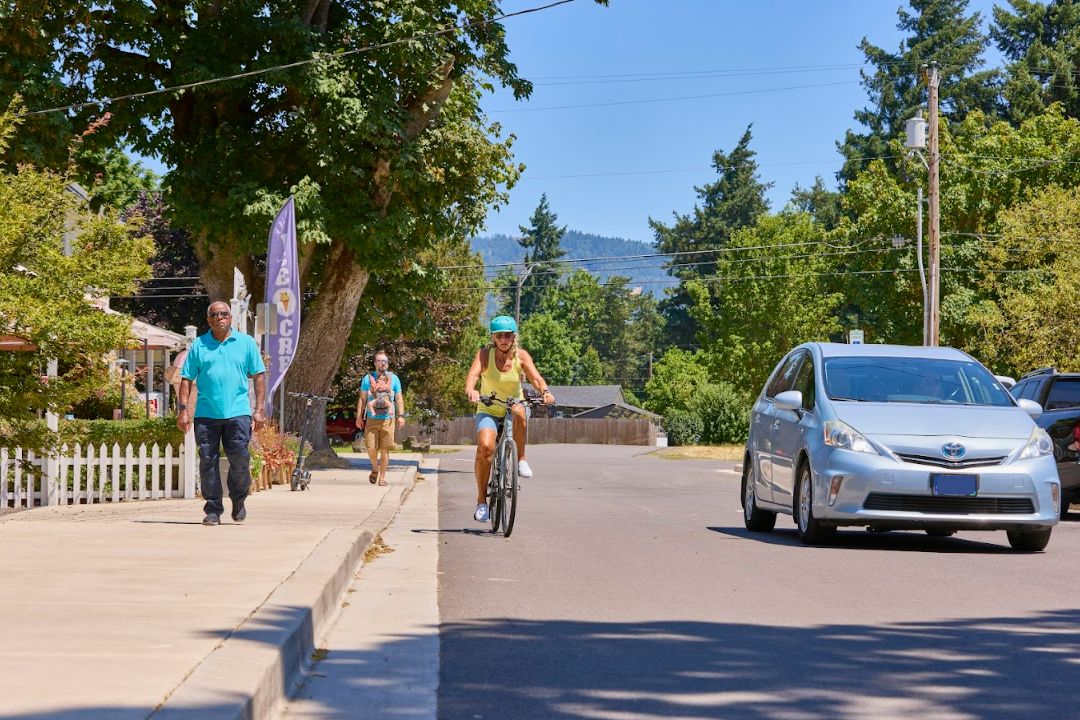
Oregon has a strong culture of active transportation. From Portland’s extensive bike network to Eugene’s walkable neighborhoods, our state embraces multiple modes of getting around. For older residents who learned to drive decades ago when roads looked very different, understanding this culture requires more than reading a pamphlet.
Group training sessions address real Oregon scenarios:
- Urban environments: How to safely navigate downtown Portland streets with protected bike lanes, frequent crosswalks, and common mistakes that lead to crashes.
- Residential areas: Understanding school zones in Salem where children walk and bike, and how to watch for people using mobility devices on sidewalks and in crosswalks.
- Mixed-use paths: Recognizing where people biking and walking share space with vehicles, especially in areas like Bend’s growing trail network.
- Weather considerations: Oregon’s rain creates unique challenges for visibility around people walking and biking. Group discussions help drivers understand extra caution needed during wet conditions.
When instructors present these scenarios, group participants often share their own experiences navigating these exact situations. This collective wisdom enriches everyone’s understanding and creates practical, memorable lessons.
The Oregon Friendly Driver Approach
Oregon Friendly Driver courses focus specifically on what makes Oregon roads unique: our commitment to protecting vulnerable road users. The curriculum, developed by Commute Options, The Street Trust, and Lane Council of Governments, and funded by the Oregon Department of Transportation, emphasizes awareness, respect, and responsibility.
For older drivers, this means:
- Learning current laws about yielding to people in crosswalks, safe passing distances when driving near people biking, and right-of-way rules that protect vulnerable road users.
- Understanding infrastructure: What do different bike lane markings mean? How do pedestrian signals work at modern intersections? What should drivers know about shared-use paths?
- Practicing awareness techniques: How to check blind spots for people biking, scan intersections for people walking, and anticipate the needs of people using mobility devices.
- Building community responsibility: Recognizing that every trip isn’t just about reaching a destination but about protecting lives throughout Oregon communities.
Why Group Sessions Work for Seniors
Studies consistently show that seniors benefit significantly from group learning environments. Here’s why Oregon Friendly Driver’s group training resonates:
Social Connection Reduces Anxiety
Walking into a training session alongside peers immediately reduces the stress of learning new information. Older drivers report feeling welcomed and valued, which opens their minds to absorbing course content effectively.
Shared Stories Create Context
When a fellow participant describes successfully navigating a tricky situation with a person on a bike, that story provides context and confidence. These peer testimonials often resonate more powerfully than instructor examples alone.
Questions Benefit Everyone
One person’s question about e-scooter rules or crosswalk laws benefits the entire group. This collective learning approach ensures comprehensive understanding while making individual participants feel supported rather than singled out.
Community Accountability
After completing the course together, participants often report feeling accountable to their peers to practice what they learned. This group commitment strengthens the likelihood of applying new knowledge on Oregon roads.
Practical Skills for Oregon Roads
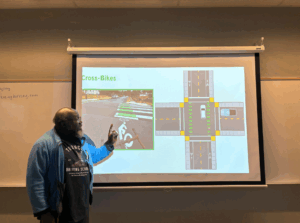
Oregon Friendly Driver group training covers essential skills that help older drivers navigate confidently:
Crosswalk awareness: Oregon law requires drivers to yield to people in crosswalks. Group discussions help clarify when and how to stop safely, especially at marked and unmarked crosswalks.
Bike lane navigation: With Portland ranking among the most bike-friendly cities in America, understanding bike lane rules is essential. Training covers when drivers can enter bike lanes, how to check for people biking before turning, and safe passing distances.
School zone safety: Many Oregon communities have active Safe Routes to School programs encouraging children to walk and bike. Seniors learn heightened awareness techniques for these zones.
Intersection safety: Modern Oregon intersections often include bike boxes, pedestrian islands, and signal timing designed to protect vulnerable users. Group training demystifies these features.
Rural road awareness: Outside cities, Oregon’s scenic roads attract recreational biking, as well as people on foot, hiking, or running. Training includes techniques for safely using rural highways and winding roads.
The Role of Certification
Upon completing Oregon Friendly Driver training, participants receive official certification. For older drivers, this certificate represents more than completion—it symbolizes their commitment to community safety and responsible driving.
Many seniors display their certificates proudly, viewing them as evidence of their dedication to staying informed and protecting vulnerable road users. This tangible recognition reinforces the value of their participation and encourages others in their social circles to enroll.
Scheduling Group Training in Your Community
Oregon Friendly Driver offers flexible options for group training across the state:
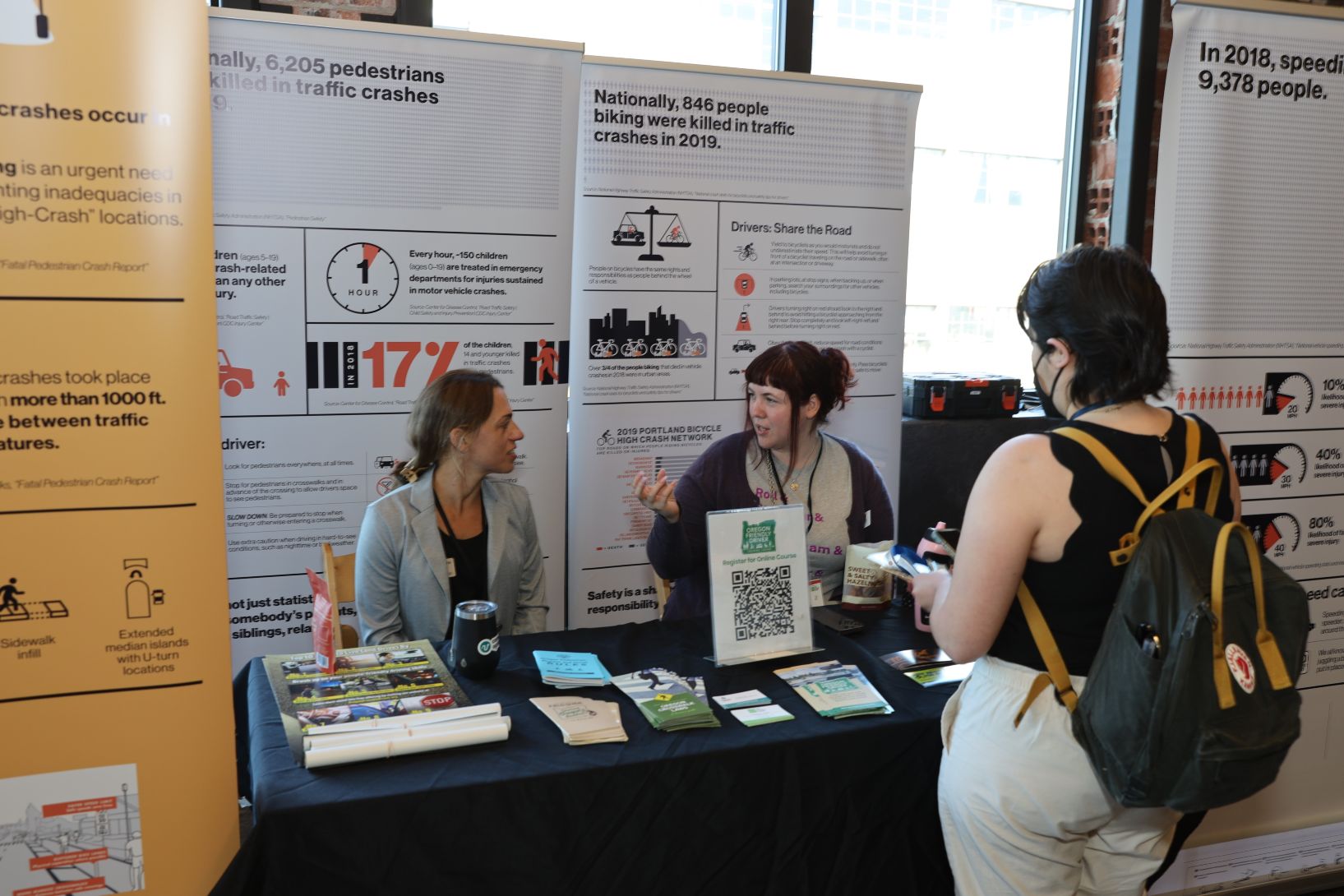
- Community-based sessions: Local organizations, senior centers, and community groups can schedule in-person training sessions. An instructor brings the course directly to your community, making participation convenient and accessible.
- Online group options: For those who prefer digital learning, the online OFD Course can be completed alongside friends or family members, creating an informal group learning experience from home.
- Regional availability: Training is available throughout Eugene, Portland, Salem, Bend, and Medford, ensuring older drivers across Oregon can access these valuable resources.
To schedule group training for your senior center, community organization, or friend group, contact Oregon Friendly Driver at (541) 668-6138 or info@oregonfriendlydriver.org.
Beyond the Classroom: Lasting Impact
The benefits of group training extend well beyond the session itself. Participants report:
- Increased awareness when driving, particularly around people walking and biking in their communities.
- Greater confidence navigating complex intersections and modern infrastructure features.
- Stronger community connection, often staying in touch with fellow participants and sharing road safety tips.
Oregon’s Commitment to Safe Roads
Oregon Friendly Driver exists because of a shared commitment to reducing crashes and protecting vulnerable road users. Funded by the Oregon Department of Transportation since 2017, the program addresses the reality that people walking, biking, and rolling represented 18.3% of traffic fatalities between 2017 and 2021.
Every person who completes the OFD Course contributes to changing these statistics. By learning to drive with increased awareness around vulnerable road users, mature drivers become champions for safer Oregon communities.
Join Oregon’s Community of Responsible Drivers
If you’re an older driver in Oregon who values independence, community, and safety, Oregon Friendly Driver’s group training offers the perfect opportunity to refresh your knowledge while connecting with like-minded neighbors.
You don’t need to feel uncertain about new bike lanes or crosswalk rules. You don’t need to navigate changing road conditions alone. Group training provides the knowledge, confidence, and community support to help you drive safely and responsibly for years to come.
Confidence and Safety for Every Mile at Every Age.
Whether you choose in-person group training in your community or prefer the online course you can complete alongside friends, Oregon Friendly Driver welcomes you. The training is completely free, ODOT-certified, and designed specifically for Oregon roads and Oregon drivers.